Chasing Away the Blues: Calming Herbs for Everyday Stress Relief
Stress sneaks up on everyone, sometimes turning a good day into a not-so-great one. Imagine sitting in traffic after a long day, feeling tension creeping up your neck, or juggling endless emails while the clock ticks. It
Stress sneaks up on everyone, sometimes turning a good day into a not-so-great one. Imagine sitting in traffic after a long day, feeling tension creeping up your neck, or juggling endless emails while the clock ticks. It's in these moments that many seek relief in nature's pharmacy. Calming herbs have been used for centuries, offering a gentle way to soothe frazzled nerves. But which ones actually work, and how can they be integrated into everyday life effectively?
Lavender: The Fragrant Stress Reliever
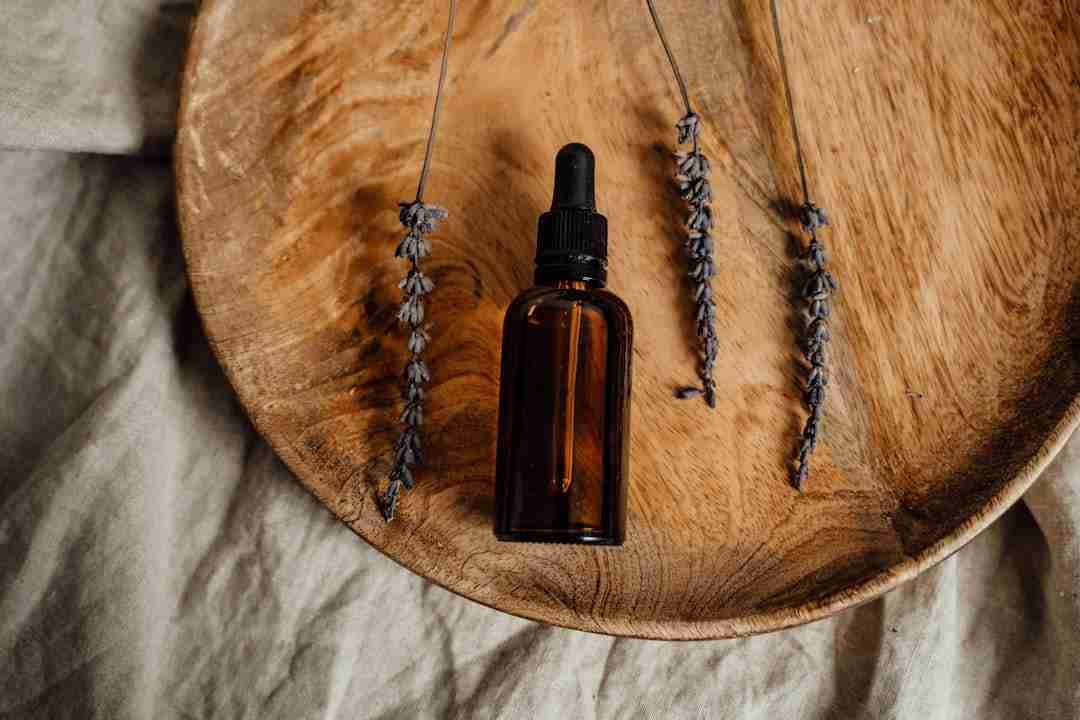
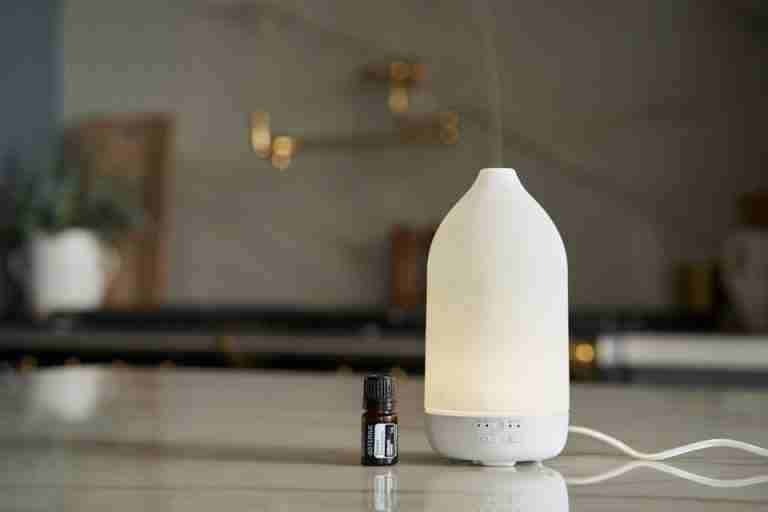
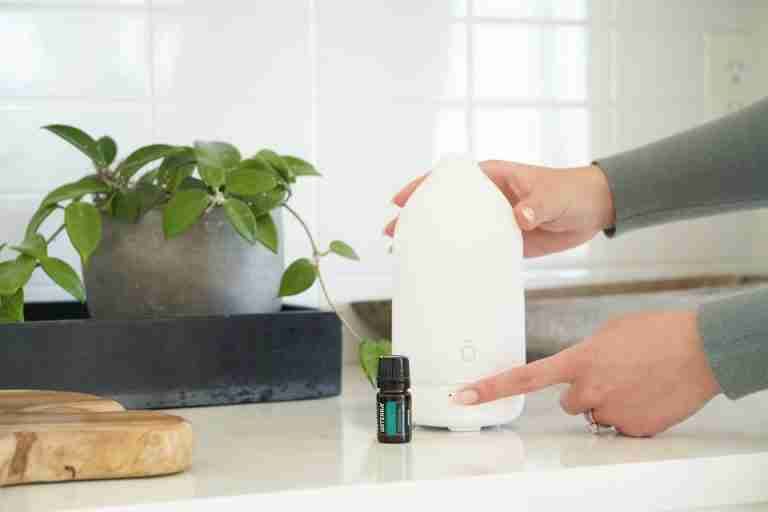
Lavender is more than just a pretty purple flower. It's famous for its calming scent, often used in aromatherapy to promote relaxation and reduce anxiety. Research shows that lavender's soothing properties can help improve sleep quality and decrease stress levels. For those looking to unwind, consider adding a few drops of lavender essential oil to a diffuser or a warm bath. The gentle aroma can create an oasis of calm in your home, helping to melt away stress and tension.
Another practical approach is to create a lavender pillow spray. Mix a few drops of lavender oil with water in a spray bottle, and spritz it onto pillows before bedtime. This simple ritual can transform the ordinary into a moment of tranquility, helping you drift into a peaceful sleep. For added relaxation, consider combining lavender with other calming scents such as chamomile or sandalwood to create a personalized blend that enhances the calming effects.
Chamomile: The Classic Calming Tea
Chamomile tea is a bedtime staple for a reason. Known for its mild sedative effects, it's often recommended to alleviate stress and aid sleep. A warm cup of chamomile tea before bed can be a soothing ritual, signaling the body it's time to relax. The act of sipping tea itself can be meditative, offering a pause in a hectic day.
But chamomile isn't just for the evening. Incorporating it into daily routines can help manage stress throughout the day. Try sipping on chamomile tea during breaks to maintain a calm demeanor even amid a hectic schedule. It's a simple, yet effective way to keep stress at bay. For those who prefer a bit of flavor, adding a slice of lemon or a touch of honey can enhance the taste and make the experience even more enjoyable.
Ashwagandha: An Adaptogen for Modern Stress
Ashwagandha, a staple in Ayurvedic medicine, is gaining popularity for its ability to help the body manage stress. As an adaptogen, it helps balance the body's response to stress, making it a great ally in the modern world. Its root is often ground into a powder, which can be mixed into beverages or taken as a supplement.
Studies indicate that ashwagandha can reduce anxiety and improve overall well-being. For those seeking a natural way to enhance resilience to stress, ashwagandha supplements might be worth considering. They're typically available in capsules or powders, which can easily be added to smoothies or meals. This makes it convenient for those with busy lifestyles to integrate into their daily routine.
However, it's essential to consult with a healthcare provider before starting any new supplement, especially if there are existing health conditions or medications involved. Not all adaptogens work the same way for everyone, and professional guidance can help determine the best approach. Experimenting with different dosages and forms can also help identify the most effective way to achieve desired results.
Valerian Root: Nature's Tranquilizer
Valerian root has been used for centuries to promote relaxation and improve sleep. Often referred to as "nature's tranquilizer," it's known for its ability to calm the nervous system. Valerian root is commonly available in tea or supplement form, providing a convenient way to harness its calming effects.
For those struggling with insomnia or stress-induced restlessness, valerian root might offer relief. It's typically recommended to take it in the evening, as its sedative properties can make some people drowsy during the day. Preparing a valerian tea can serve as an evening ritual, signaling to your body and mind that it's time to wind down.
Studies suggest that valerian root can enhance sleep quality, but the effects can vary. While some find it incredibly beneficial, others may not notice significant changes. It's important to experiment and find what works best for individual needs. Combining valerian root with other sleep-promoting routines, such as reducing screen time before bed, can amplify its effects.
Lemon Balm: The Uplifting Herb
Lemon balm, a member of the mint family, is known for its mood-enhancing properties. It has a subtle lemony scent and taste, making it a pleasant addition to teas or meals. Lemon balm can help reduce stress and anxiety, promoting a sense of calm and well-being.
Incorporating lemon balm into daily life can be as simple as adding fresh leaves to a salad or brewing a cup of lemon balm tea. For a refreshing twist, consider infusing water with lemon balm leaves and cucumber slices. This not only hydrates but also supports a calm and focused mind. Lemon balm can also be used in homemade salad dressings or as a flavorful garnish for desserts, providing a versatile way to enjoy its benefits.
Passionflower: A Natural Stress Buster
Passionflower is another herb known for its calming effects. It's often used to treat anxiety and improve sleep quality. Passionflower is available in various forms, including teas, tinctures, and supplements, providing flexibility in how it's consumed.
Research shows that passionflower can be effective in reducing symptoms of anxiety. For those looking for a natural way to unwind, drinking passionflower tea in the afternoon may help ease stress and prepare the mind for a restful evening. Its mild flavor pairs well with other calming herbs, such as chamomile, for a soothing herbal blend.
With its gentle, calming effects, passionflower can be particularly useful for those who experience stress-related irritability or restlessness. However, as with any herb, it's advisable to consult with a healthcare provider to ensure it's appropriate for personal health needs. Understanding the unique effects and potential interactions with other supplements or medications is crucial for safe and effective use.
Practical Tips for Integrating Calming Herbs
Incorporating calming herbs into daily life doesn't have to be complicated. Here are a few practical tips to get started:
- Routine is Key: Establish a regular routine for consuming herbs, such as a nightly tea ritual or a morning supplement. Consistency can enhance the benefits and make them a natural part of your lifestyle.
- Experiment with Forms: Try different forms of herbs, like teas, oils, or capsules, to find what fits best into your lifestyle. Some may prefer the ritual of brewing tea, while others might find capsules more convenient.
- Combine with Mindfulness: Pairing herbs with mindfulness practices, such as meditation or yoga, can enhance their calming effects. A few minutes of deep breathing or meditation while enjoying herbal tea can amplify relaxation.
- Stay Consistent: Herbal remedies often require consistent use to show results, so stick with them for a few weeks to evaluate effectiveness. Patience is key to discovering how herbs can support your well-being.
- Consult Professionals: Always seek advice from healthcare providers before starting new herbal regimens, particularly if there are existing health conditions or medications involved. Professional guidance ensures safe and appropriate use.
Herbs can be a powerful addition to stress management strategies, offering natural, gentle relief. But they're most effective when part of a comprehensive approach that includes healthy lifestyle choices and stress-reduction techniques. Incorporating regular exercise, a balanced diet, and adequate sleep can enhance the benefits of herbal remedies, creating a holistic approach to managing stress.
Insight: Take Action Today
Stress is an inevitable part of life, but how it's managed can make all the difference. Calming herbs provide a natural way to reclaim peace and balance. Consider creating a calming ritual today, whether it's sipping lavender tea in the evening or diffusing essential oils during a relaxing bath. Engaging with these practices can bring moments of calm amidst the chaos of daily life.
These small, intentional actions can lead to a more centered and peaceful life. By embracing the power of nature, it's possible to transform everyday stress into moments of calm and clarity. Start exploring these herbal allies today and discover which ones resonate best with your needs. Whether through a simple cup of tea or a more elaborate herbal blend, the journey to tranquility is a personal one, filled with opportunities to reclaim balance and well-being.