Conquering Seasonal Allergies with Local Honey
Every spring, as the flowers bloom and the trees burst into color, millions find themselves caught in a relentless cycle of sneezing, itching, and watery eyes. Seasonal allergies can turn the most beautiful time of the y
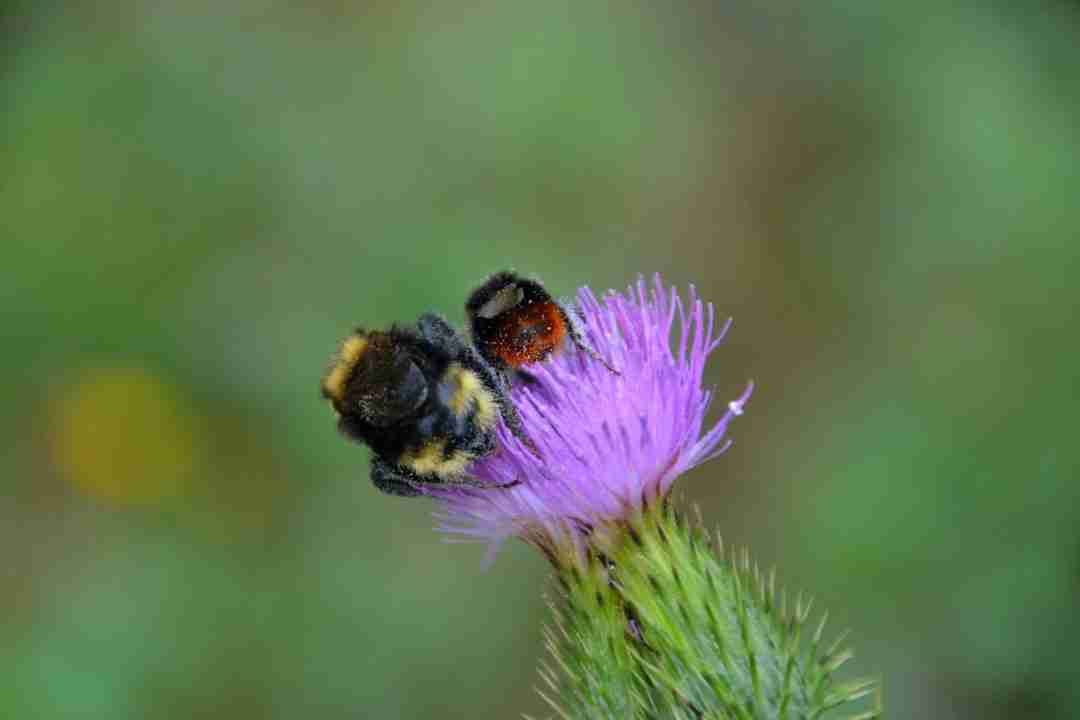
Every spring, as the flowers bloom and the trees burst into color, millions find themselves caught in a relentless cycle of sneezing, itching, and watery eyes. Seasonal allergies can turn the most beautiful time of the year into a period of discomfort and frustration. But what if there was a natural, local remedy sitting on the shelves of your neighborhood market that could potentially ease these symptoms? Many allergy sufferers have turned to local honey as a potential relief, and here's why it might just work for you.
The Surprising Science Behind Local Honey
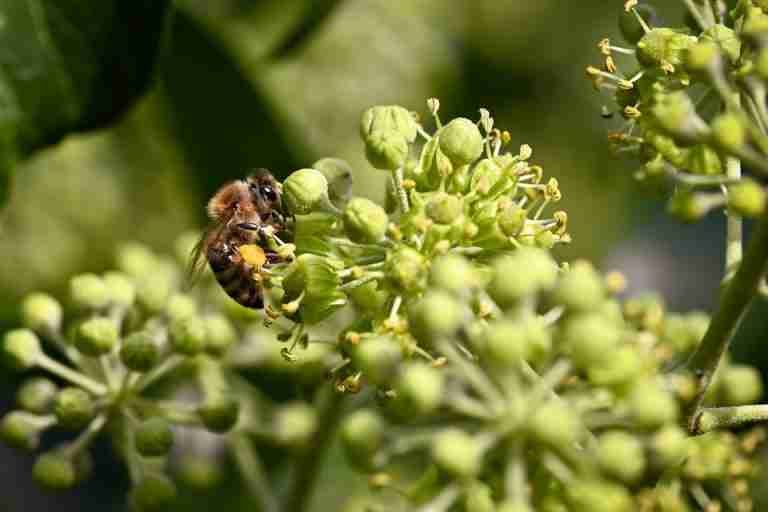
The idea that local honey can alleviate allergy symptoms stems from a simple principle: exposure to local pollen. Bees collect pollen from the same plants that cause seasonal allergies. When you consume local honey, you're ingesting small amounts of this pollen, which may help your body build up a natural immunity over time. It's a bit like a natural vaccine, allowing your immune system to become accustomed to the pollen without the intense allergic reaction.
A study published in the Annals of Saudi Medicine found that participants who consumed honey experienced significant relief from allergy symptoms over an eight-week period compared to those who did not. While not all studies have reached this conclusion, and more research is certainly needed, these findings offer a glimmer of hope for those seeking natural remedies.
Here's what to consider: the honey must be from your local area—typically within a 50-mile radius—to contain the same pollen you're exposed to. This specificity is crucial for the potential benefits. It's also important to note that raw, unprocessed honey is the best choice, as it retains more of the natural pollen and enzymes that may contribute to its potential effectiveness. Pasteurized honey, on the other hand, undergoes heating that can diminish these components.
How to Incorporate Local Honey Into Your Routine
So, how can you make local honey a part of your daily regimen? Start by finding a reliable source of local honey. Farmers' markets are an excellent place to start, as they often feature vendors selling honey harvested from nearby hives. You can also check for local beekeepers online or at natural food stores.
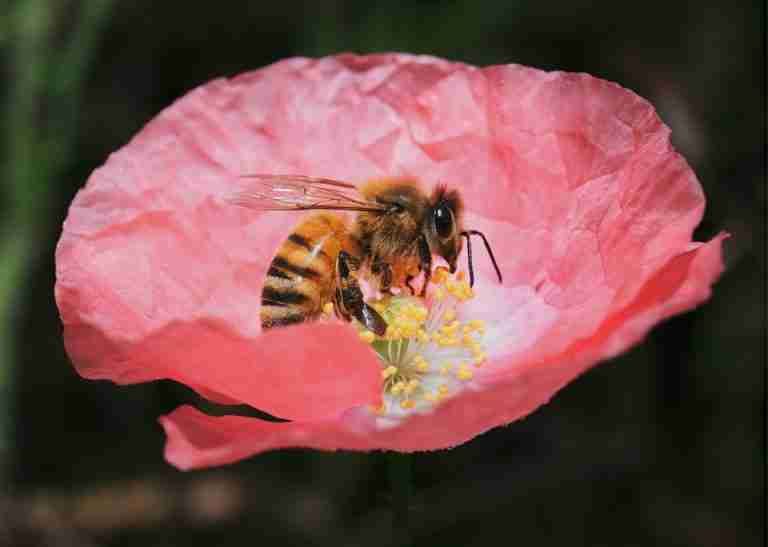
Once you've secured your supply, begin by consuming a tablespoon of local honey daily. You can enjoy it straight from the spoon or incorporate it into your meals and beverages. Here are some practical ways to include local honey in your diet:
- Morning Tea or Coffee: Stirring a spoonful into your morning tea or coffee not only sweetens your drink but also kickstarts your daily pollen exposure. For an extra soothing effect, consider pairing honey with herbal teas such as chamomile or ginger, which are known for their calming properties.
- Smoothies: Add honey to your smoothies for a natural sweetener that's also potentially beneficial for your allergies. Experiment with various fruit and vegetable combinations such as spinach, banana, and almond milk to create a nutritious, allergy-friendly blend.
- Oatmeal or Yogurt: Drizzle honey over your oatmeal or yogurt for a healthy breakfast with added flavor. Consider adding nuts and seeds like almonds or chia seeds for a crunchy texture and additional health benefits.
- Baking: Substitute sugar with honey in your baking recipes. This adds a unique taste and contributes to your daily intake. Be mindful of adjusting other liquid ingredients to maintain the right consistency in your recipes.
Remember, consistency is key. Regular consumption is necessary for your body to potentially build up immunity over time. Keeping a small jar of honey in a visible spot, such as your kitchen counter or desk, can serve as a reminder to incorporate it into your daily routine.
Potential Drawbacks and Considerations
While the idea of using local honey to combat allergies is appealing, it's important to approach it with realistic expectations. Not everyone will experience relief, and for some, the results may be subtle. The effectiveness of local honey can vary based on individual immune responses and the specific types of pollen causing the allergies.
There are a few considerations to keep in mind:
- Allergic Reactions: Some individuals may be allergic to components in honey itself. If you've never consumed honey before, start with a small amount to ensure you don't have an adverse reaction. Symptoms to watch for include hives, swelling, or difficulty breathing, which require immediate medical attention.
- Infants and Honey: Never give honey to children under one year of age due to the risk of botulism, a rare but serious illness. This is a critical safety guideline that should always be followed.
- Diabetes and Caloric Intake: Honey is high in natural sugars. Those managing diabetes or calorie intake should monitor their consumption closely. It may be beneficial to consult with a healthcare provider to determine an appropriate amount.
Ultimately, local honey is not a guaranteed cure-all, but it can be a complementary addition to other allergy management strategies.
Complementary Allergy Management Strategies
In addition to trying local honey, consider incorporating a few other practical strategies to manage seasonal allergies more effectively:
- HEPA Filters: Using HEPA filters in your home can help reduce airborne allergens. These filters trap pollen, dust, and other particles that contribute to allergic reactions. Regularly replacing these filters is crucial to maintaining their effectiveness.
- Nasal Irrigation: Rinsing your nasal passages with a saline solution can remove allergens and provide relief. Consider using a neti pot or saline spray. This gentle practice can be particularly helpful after spending time outdoors, as it clears out any lingering pollen.
- Stay Indoors During Peak Pollen Times: Pollen counts are usually highest in the early morning and late afternoon. Try to stay indoors during these times and keep windows closed to minimize exposure. If outdoor activities are unavoidable, wearing sunglasses and a hat can help protect your eyes and hair from pollen.
- Wash Pollen Away: After spending time outside, shower and change clothes to remove pollen from your body and hair. Consider keeping a change of clothes near the entrance of your home to quickly switch out of pollen-covered garments.
By combining these methods with local honey consumption, you can create a more targeted approach to managing your allergies.
Where to Find Local Honey
Finding high-quality local honey is essential to experiencing any potential benefits. Here are a few tips on sourcing the best local honey:
- Farmers' Markets: As mentioned earlier, farmers' markets are a great place to find local honey. Talk to the vendors about where and how their honey is harvested. Asking questions about the types of flowers the bees pollinate can give you insights into the pollen content.
- Local Beekeepers: Search for local beekeepers in your area. Many have websites or social media pages where you can learn about their products and practices. Visiting a beekeeper in person can also provide a unique opportunity to see the hives and learn more about the honey-making process.
- Natural Food Stores: Some natural food stores carry local honey. Check the labels to ensure the honey is sourced from your area. Look for the term "raw" on the label to ensure it's unprocessed and retains its natural properties.
- Online Directories: Use online directories to locate beekeepers and honey producers near you. Websites like Local Harvest can be valuable resources. Reading customer reviews can also help identify reliable suppliers.
Today's Action Plan for Allergy Relief
If you're ready to give local honey a try, start by locating a reliable source in your area. Purchase a small jar to begin with, and incorporate a tablespoon into your daily routine. While you're at it, evaluate your current allergy management practices and consider adding complementary strategies like using HEPA filters or nasal irrigation.
Remember, the journey to finding effective allergy relief is personal and may require a combination of methods. Local honey represents just one piece of the puzzle, and while it's not a guaranteed solution, it holds promise for many. By taking these steps today, you're on your way to potentially easing the burden of seasonal allergies and enjoying the beauty of spring without the sneezing.
By exploring local honey as a remedy and incorporating it with other strategies, you might find the sweet relief you've been seeking.