Essential Oils to Elevate Your Mood Naturally
The History and Cultural Significance of Essential Oils Before we delve deeper into the practical applications and benefits of essential oils, it’s essential to appreciate their historical and cultural significance. Esse
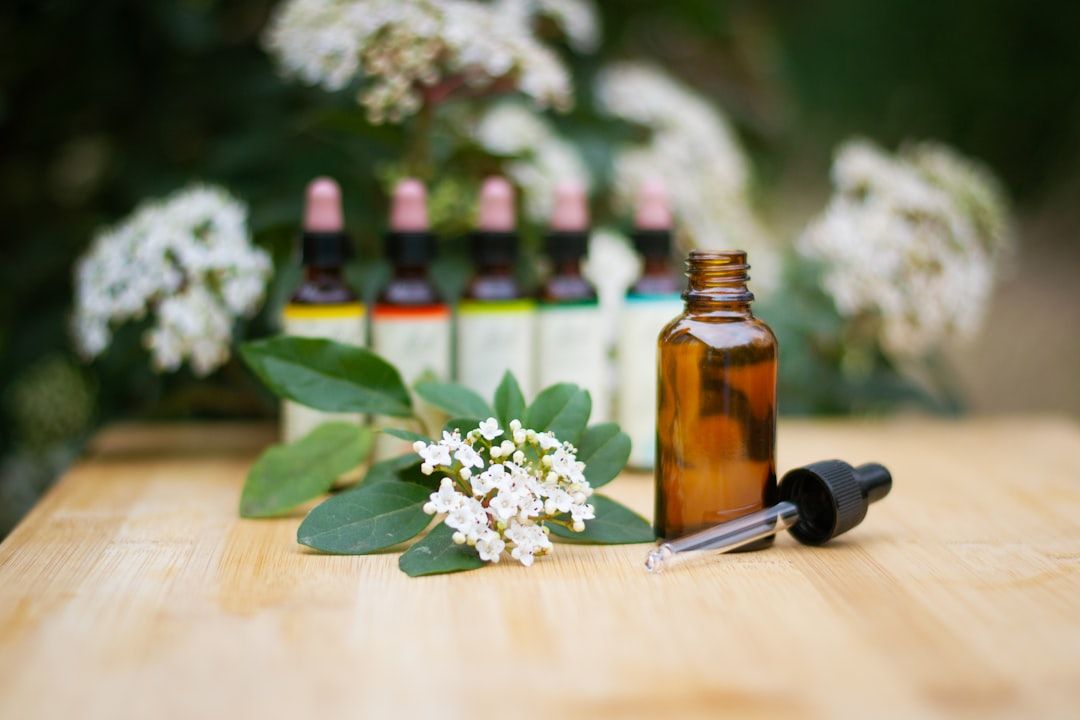
The History and Cultural Significance of Essential Oils
Before we delve deeper into the practical applications and benefits of essential oils, it’s essential to appreciate their historical and cultural significance. Essential oils have been used for thousands of years, with records dating back to ancient Egyptian, Chinese, and Indian civilizations. The Egyptians used oils in cosmetics, medicines, and embalming processes. Frankincense and myrrh, in particular, were highly valued for their aromatic and preservative properties.
In Chinese medicine, essential oils were integral to healing practices, focusing on balancing the body’s energy. Similarly, Ayurvedic medicine in India incorporated essential oils for their therapeutic properties, using them to treat various ailments and promote overall well-being. This historical context underscores the timeless nature of essential oils and their enduring value across different cultures.
The Science Behind Essential Oils and Mood: A Closer Look
To further understand the impact of essential oils on mood, we must delve deeper into the olfactory system and its connection to the brain. When you inhale an essential oil, the scent molecules are detected by receptors in the nose, which send signals to the olfactory bulb. This bulb is part of the limbic system, the brain’s emotional center, responsible for processing emotions, memories, and arousal.

The limbic system includes structures such as the amygdala and hippocampus, which play critical roles in emotional regulation and memory formation. When essential oils stimulate this system, they can evoke emotional responses and influence mood. For instance, lavender’s calming effect is linked to its ability to modulate neurotransmitter activity, promoting relaxation and reducing anxiety.
Moreover, studies have demonstrated that essential oils can affect physiological responses. For example, inhaling certain oils can lower cortisol levels, the hormone associated with stress. This scientific foundation provides compelling evidence for using essential oils as a natural mood enhancer.
Expanding the Methods of Incorporating Essential Oils
Steam Inhalation

Another effective method of using essential oils is steam inhalation. This technique involves adding a few drops of essential oil to a bowl of hot water and inhaling the steam. Cover your head with a towel to trap the steam and inhale deeply. This method is particularly beneficial for respiratory issues and can also provide a quick mood boost due to the direct inhalation of aromatic compounds.
Bathing
Incorporating essential oils into your bath can be a luxurious and therapeutic experience. Add a few drops of your chosen essential oil to your bathwater, or mix them with Epsom salts for added benefits. The warm water helps release the aroma, creating a calming atmosphere that can enhance relaxation and relieve stress.
DIY Room Sprays
Creating a DIY room spray is a simple way to enjoy the benefits of essential oils throughout your home. Combine distilled water, witch hazel, and your favorite essential oils in a spray bottle, and spritz around your living space. This method is not only refreshing but also a natural alternative to chemical-laden air fresheners.
Real-World Success Stories: In Depth
Expanding on the success stories of Emily and Michael, let’s explore more detailed case studies to illustrate the transformative power of essential oils.

Case Study: Sarah’s Journey with Essential Oils for Stress Management
Sarah, a corporate executive, found herself overwhelmed by work-related stress. She struggled with insomnia and frequent headaches, impacting her productivity and mood. After researching natural remedies, she decided to try essential oils. Sarah began using a blend of lavender, bergamot, and frankincense in a diffuser at her home office. Within weeks, she noticed a substantial reduction in her stress levels. Her sleep improved, and she experienced fewer headaches, allowing her to approach her work with renewed focus and calm.
Case Study: John’s Experience with Essential Oils for Seasonal Affective Disorder (SAD)
John battled seasonal affective disorder, experiencing low energy and mood swings during the winter months. Seeking a natural way to cope, he introduced citrus essential oils, like orange and grapefruit, into his daily routine. He used a personal inhaler and applied a diluted blend to his temples and wrists. The uplifting scents helped elevate his mood and provided a sense of warmth during the cold, dark days. John’s experience highlights how essential oils can be a powerful tool in managing mood disorders, particularly those influenced by environmental factors.
Creating Personalized Essential Oil Blends: Advanced Tips
When creating personalized essential oil blends, consider the following advanced tips to enhance your experience:
1. Understand the Notes: Essential oils have top, middle, and base notes, similar to perfume. Top notes are light and evaporate quickly, while base notes are long-lasting and grounding. Balancing these notes can create a harmonious blend.
2. Seasonal Blending: Adjust your blends according to the seasons. In winter, opt for warming oils like ginger and cinnamon. In summer, choose cooling oils like peppermint and eucalyptus.
3. Mindful Blending: Engage in a mindful practice while blending oils. Focus on your intention and visualize the desired emotional state. This mindfulness can enhance the therapeutic effects of the oils.
Common Mistakes and How to Avoid Them: Expanded
Ignoring Sensitivities and Allergies
Essential oils are potent, and some individuals may experience allergic reactions or sensitivities. Always perform a patch test before applying a new oil topically. If you experience any adverse reactions, discontinue use immediately.
Overcomplicating Blends
While experimenting with blends is encouraged, avoid using too many oils at once. Start with a few complementary oils to prevent overwhelming scents and ensure each oil’s benefits are experienced fully.
Storing Oils Improperly
Essential oils should be stored in dark glass bottles, away from heat and sunlight, to maintain their potency. Improper storage can lead to degradation and reduced effectiveness.
Actionable Takeaways: Long-Term Integration
To fully integrate essential oils into your wellness routine, consider these long-term strategies:
1. Daily Rituals: Incorporate essential oils into daily rituals, such as morning meditation or evening relaxation, to establish a consistent practice.
2. Education and Exploration: Continuously educate yourself about different oils and their benefits. Attend workshops or join online communities to learn from others’ experiences.
3. Mindful Reflection: Regularly reflect on how essential oils impact your mood and well-being. Keep a journal to track changes and adjust your routine as needed.
By embracing essential oils as part of a holistic approach to wellness, you can cultivate a more balanced and harmonious life. Whether you’re seeking stress relief, increased focus, or emotional upliftment, there’s an essential oil to support your journey naturally. As you explore and experiment, you’ll discover the profound impact these aromatic wonders can have on your emotional health and overall quality of life.