Exploring the Magic of Fermented Foods: From Sauerkraut to Kombucha
Fermented foods have been captivating taste buds and nurturing health for centuries. Imagine opening a jar of tangy sauerkraut, a fizzy bottle of kombucha, or biting into a slice of sourdough bread with its satisfying ch
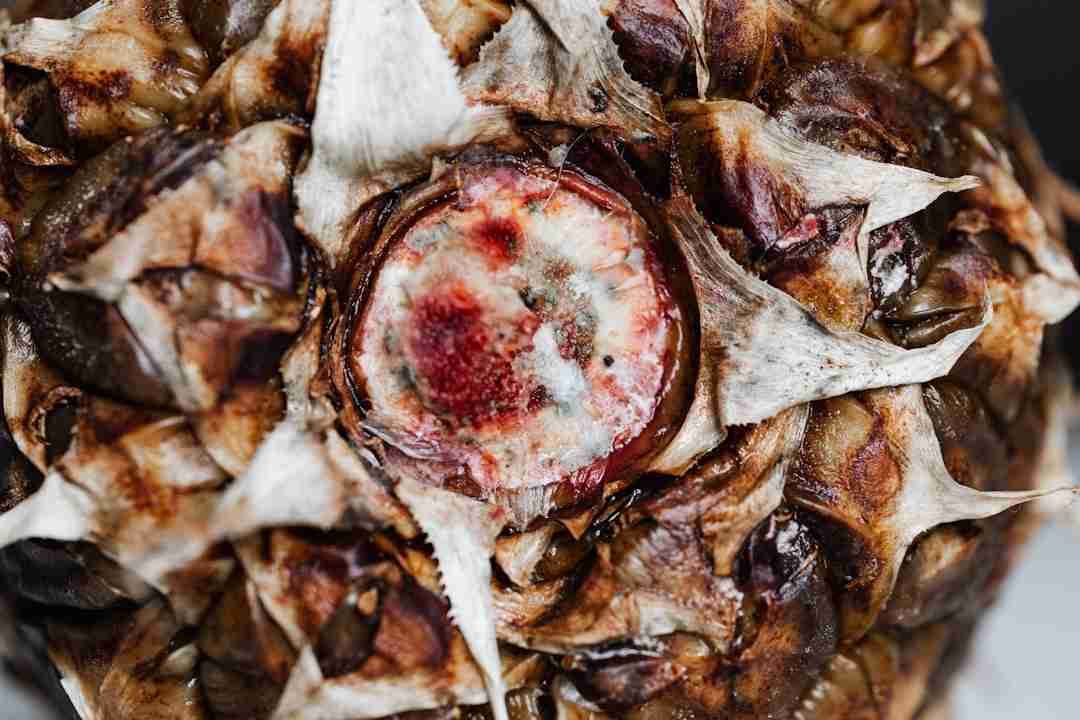
Fermented foods have been captivating taste buds and nurturing health for centuries. Imagine opening a jar of tangy sauerkraut, a fizzy bottle of kombucha, or biting into a slice of sourdough bread with its satisfying chew. What do these diverse foods have in common? They all owe their unique flavors and health benefits to the magic of fermentation. This ancient practice not only preserves food but also transforms it, making it more digestible and nutrient-rich. Yet, many people still view fermentation as a mysterious or daunting process. The reality is, it's simpler than it seems and can be incredibly rewarding for both the palate and health.
Fermentation: The Science Behind the Flavor
At the heart of fermentation is a simple yet powerful transformation. Microorganisms like bacteria, yeast, and molds convert carbohydrates into alcohol or acids. This process not only enhances flavor but also preserves the food. For instance, the lactic acid bacteria in yogurt and sauerkraut produce lactic acid, which acts as a natural preservative. This is why fermented foods often have that signature tangy flavor.
Fermentation isn't just about taste. It improves the nutritional content by increasing vitamins, enzymes, and beneficial probiotics. Studies show that fermented foods can aid digestion, boost the immune system, and even improve mental health. These benefits stem largely from the probiotics, which are live bacteria that promote a healthy gut microbiome. For example, the probiotic strain Lactobacillus plantarum, commonly found in fermented vegetables, has been shown to reduce inflammation and improve gut barrier function, making it an important component in maintaining overall health.
Making Sauerkraut: Simple Steps for Tangy Success
Creating sauerkraut at home is surprisingly straightforward. Start by shredding cabbage and mixing it with salt. The salt draws out the cabbage's juices, creating a brine in which the cabbage ferments. Pack the cabbage tightly into a jar, ensuring it stays submerged in the brine to prevent spoilage. Leave it to ferment at room temperature for about 1-4 weeks, depending on your taste preference.
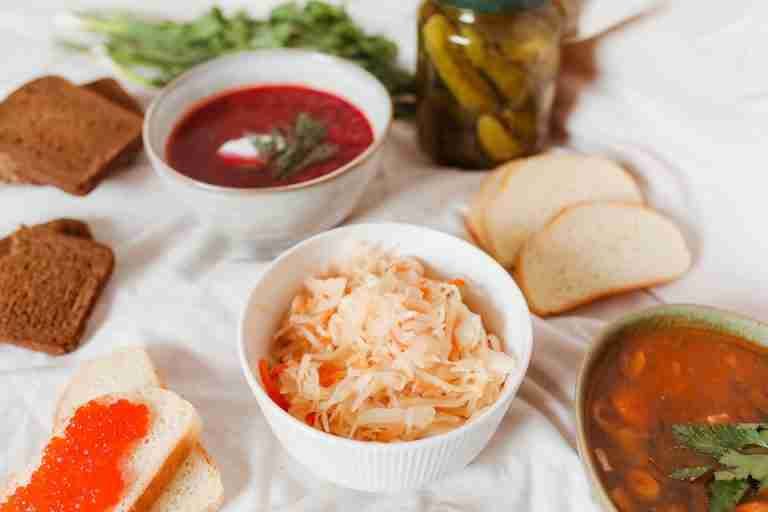
The beauty of making sauerkraut is its adaptability. You can add other vegetables like carrots or beets for variety, or spices such as caraway seeds for an extra kick. The key is to taste it regularly and let your palate guide the process. For those who enjoy a bit of spice, consider adding chili flakes or ginger to the mix. These additions not only enhance flavor but also contribute extra health benefits, such as anti-inflammatory properties from ginger.
Kombucha: Brewing Your Own Fizzy Tea
Kombucha, the effervescent tea that's been sweeping health food stores, is another fermented delight you can make at home. It begins with sweetened tea, to which a symbiotic culture of bacteria and yeast (SCOBY) is added. The SCOBY ferments the tea over 7-10 days, producing a slightly sweet, tangy beverage with a gentle fizz.
To start, you'll need a SCOBY, which can be purchased online or acquired from a fellow kombucha enthusiast. Brew black or green tea, add sugar, and once cooled, introduce the SCOBY. Allow the mixture to ferment in a glass jar covered with a cloth to keep out contaminants. Once the kombucha reaches your desired flavor, bottle it for a secondary fermentation to build carbonation. For added variety, consider infusing your kombucha with flavors during the secondary fermentation. Popular options include ginger, berries, or citrus peels, each offering unique health benefits and enhancing the drink's appeal.
The Health Benefits of Fermented Foods: What Studies Reveal
Research has consistently highlighted the health benefits of fermented foods. A study published in "Nutrients" found that regular consumption of fermented foods is linked to improved digestion and reduced symptoms of irritable bowel syndrome (IBS). The probiotics in these foods can help balance gut bacteria, aiding digestion and nutrient absorption.

Fermented foods have been found to enhance immune function. According to a study in the "Journal of Medicinal Food," probiotics can modulate the immune system, potentially reducing the risk of infections. The fermentation process can increase levels of B vitamins and other nutrients, making these foods a powerhouse of essential nutrients. For instance, fermented dairy products often contain higher levels of riboflavin and folic acid, which are crucial for energy production and cell growth.
Sourdough Bread: A Fermented Staple with Rich Flavor
Sourdough bread, with its distinctive tang and chewy texture, relies on natural fermentation. Unlike conventional bread, which uses commercial yeast, sourdough is made using a starter—a mixture of flour and water that captures wild yeast and bacteria from the environment. This starter ferments over time, giving sourdough its unique properties.
To make sourdough, maintain a starter by regularly feeding it with flour and water. Once active, mix the starter with more flour, water, and salt to form a dough. Allow it to rise before shaping and baking. The result is a loaf that's not only flavorful but also easier to digest, as the fermentation process breaks down gluten and other hard-to-digest components. Sourdough's lower glycemic index compared to regular bread makes it a preferred choice for those managing blood sugar levels.
Kefir: The Probiotic-Rich Fermented Milk Drink
Kefir, a fermented milk drink, is another example of fermentation’s wide reach. Originating from the Caucasus region, kefir is made by adding kefir grains—a combination of bacteria and yeast—to milk. The grains ferment the milk, creating a tangy, slightly effervescent beverage that's loaded with probiotics.
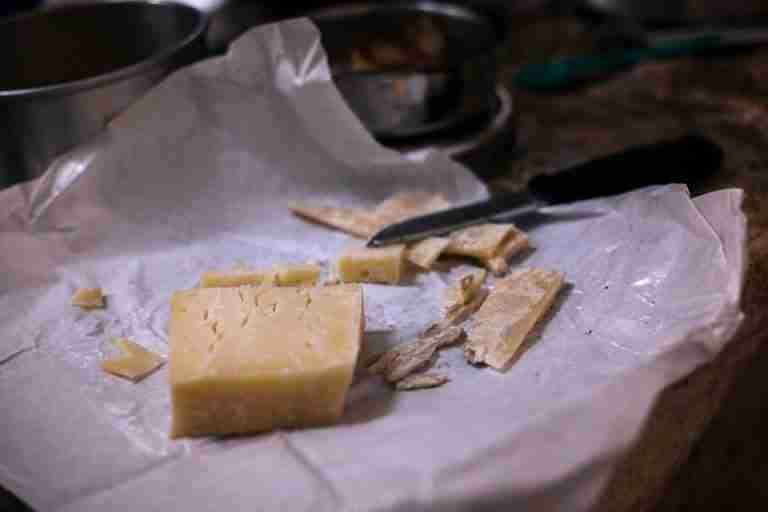
Making kefir at home is as simple as adding the grains to milk and allowing it to ferment at room temperature for about 24 hours. Strain out the grains, and the kefir is ready to drink. The grains can be reused indefinitely, making kefir a sustainable addition to your diet. The probiotics in kefir are particularly potent, with studies suggesting they may improve lactose digestion and boost overall gut health. Kefir's versatility extends to its use in smoothies, salad dressings, or even as a base for creamy sauces, adding a probiotic punch to your meals.
Fermenting Vegetables: A Creative Approach to Preservation
Beyond sauerkraut, the world of fermented vegetables is vast and varied. Think pickles, kimchi, and even fermented garlic. The process is similar: vegetables are submerged in a saltwater brine, which encourages the growth of beneficial bacteria while inhibiting harmful ones. This not only preserves the vegetables but also enhances their nutritional profile.
Experimenting with different vegetables and seasonings can lead to exciting new flavors. Try fermenting cucumbers with dill and garlic for classic pickles, or cabbage with chili powder and ginger for a spicy kimchi. The possibilities are nearly endless, and the results are both delicious and health-promoting. For a unique twist, consider fermenting asparagus with lemon zest or cauliflower with turmeric, each providing its own distinctive taste and color.
Taking the First Step: Fermentation Equipment and Resources
Embarking on a fermentation journey requires a few basic tools. Glass jars are essential, as they don't react with the acids produced during fermentation. A weight to keep the food submerged, such as a fermentation stone or a smaller jar, is also crucial. For those looking to invest a bit more, fermentation kits are available online and come with everything needed to get started.
For further guidance, there are numerous online resources and communities dedicated to home fermentation. Websites like Cultures for Health offer tutorials, recipes, and troubleshooting tips. Engaging with these communities can provide support and inspiration as you explore the world of fermentation. Local workshops and classes can also offer hands-on experience, making the learning process even more engaging and effective.
Bringing Fermented Foods into Your Daily Routine
Incorporating fermented foods into your diet doesn't have to be overwhelming. Start small by adding a spoonful of sauerkraut to your meals or swapping your regular drink for a glass of kombucha. Over time, you can experiment with making your own fermented foods, tailoring them to your taste and health goals.
Fermented foods offer a delicious way to boost your health and expand your culinary repertoire. Whether you're drawn to the tangy crunch of homemade pickles or the soothing fizz of kefir, the world of fermentation is rich with possibilities. So why not take that first step today and discover the magic that fermented foods can bring to your life?