Fermented Foods: Your Gut’s New Best Friend
Imagine waking up without that uncomfortable bloated feeling, or avoiding those sudden, inconvenient digestive hiccups that seem to strike at the worst possible moments. Many find that the secret to a happy gut lies in t
Imagine waking up without that uncomfortable bloated feeling, or avoiding those sudden, inconvenient digestive hiccups that seem to strike at the worst possible moments. Many find that the secret to a happy gut lies in the complex world of fermented foods. These age-old culinary treasures are not just a health trend—they’re a practical solution for anyone seeking better digestive health. Packed with beneficial bacteria, fermented foods are your gut's new best friend.
The Science Behind Fermentation: How It Benefits Your Gut
Fermentation isn't just some culinary magic trick; it's a biologically transformative process. When foods like cabbage, milk, or soybeans are left to ferment, they're transformed by naturally occurring bacteria and yeasts. This process not only preserves the food but also enhances its nutritional value. The resulting probiotics—live microorganisms—are what make fermented foods such a boon for your gut.
Research shows that probiotics can help balance the gut microbiome, the community of trillions of bacteria living in your intestines. A balanced microbiome is crucial for digestion, immune function, and even mental health. According to a study published in the journal Nature Reviews Gastroenterology & Hepatology, probiotics can alleviate symptoms of irritable bowel syndrome (IBS) and other digestive disorders.
The takeaway? Incorporating fermented foods into your diet can significantly improve your gut health. And with a healthier gut, you might notice an improvement in your overall well-being.
Fermented Foods You Can Easily Add to Your Diet
Transitioning to a diet rich in fermented foods doesn't mean you need to become a gourmet chef or scour specialty stores for exotic ingredients. Many fermented foods are readily available and can be easily integrated into your daily meals.
1. Yogurt: The Everyday Probiotic Powerhouse
Yogurt is probably the most accessible fermented food. It's made by fermenting milk with bacteria such as Lactobacillus and Streptococcus, which makes it rich in probiotics. When choosing yogurt, opt for varieties that list "live and active cultures" on the label. These indicate the presence of beneficial bacteria.
- Incorporation Tip: Use yogurt as a base for smoothies, a topping for breakfast cereal, or even as a healthier alternative to sour cream in recipes. Consider adding fresh fruits or a drizzle of honey to enhance flavor and nutritional value.
2. Sauerkraut: The Tangy Cabbage Delight
Sauerkraut, or fermented cabbage, is more than just a hot dog topping. It’s a tangy, crunchy food packed with probiotics and vitamin C. Plus, it's incredibly easy to make at home if you prefer a DIY approach.
- Incorporation Tip: Add a spoonful to salads, sandwiches, or serve it as a side dish. Be mindful of portion sizes, as sauerkraut can be high in sodium. To reduce sodium intake, rinse the sauerkraut before consuming or incorporate low-sodium versions.
3. Kimchi: Spice Up Your Meals
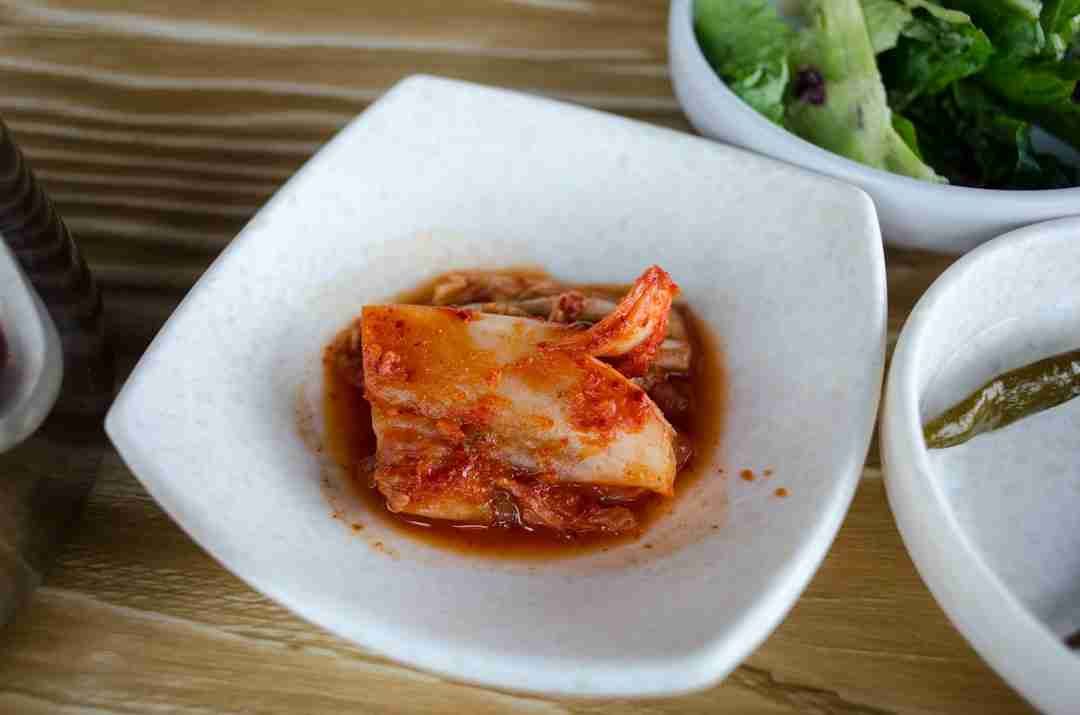
Kimchi is a staple in Korean cuisine, known for its spicy kick and health benefits. Made from fermented vegetables like napa cabbage and radishes, it’s seasoned with garlic, ginger, and chili peppers. Kimchi is rich in vitamins A and C and loaded with beneficial bacteria.
- Incorporation Tip: Use kimchi as a condiment in tacos, stir-fries, or even scrambled eggs to add a spicy, probiotic punch. For a refreshing twist, try kimchi in a cold noodle salad or as a topping on a grain bowl.
4. Kombucha: The Effervescent Elixir
Kombucha, a fermented tea beverage, has gained popularity for its potential health benefits and unique taste. Made by fermenting sweetened tea with a symbiotic culture of bacteria and yeast (SCOBY), kombucha offers a fizzy alternative to sugary sodas.
- Incorporation Tip: Enjoy kombucha as a refreshing drink on its own, or use it as a mixer in cocktails. Be cautious of the sugar content and opt for brands with lower sugar levels or brew your own at home.
Make Your Own Fermented Foods: Simple Steps
While store-bought options are convenient, making your own fermented foods can be a rewarding and often simpler process than many anticipate. Plus, it allows you to customize flavors to your liking.
Homemade Sauerkraut in a Jar
Here's a straightforward recipe to get started with fermentation at home. All you need is cabbage, salt, and a mason jar.
- Chop the Cabbage: Finely slice one head of cabbage, removing the core.
- Salt the Cabbage: Combine the cabbage with 1-2 tablespoons of salt in a large bowl. Massage the salt into the cabbage until it starts to release liquid.
- Pack the Jar: Firmly pack the cabbage into a mason jar, making sure it's submerged in its own juices. Leave about an inch of space at the top.
- Ferment: Cover the jar with a cloth and secure it with a rubber band. Let it sit at room temperature for 1-3 weeks, checking regularly to ensure the cabbage is submerged.
Consider this: Homemade sauerkraut not only saves money but also allows you to control the sodium content and flavor profile. Experiment with additional ingredients like caraway seeds or juniper berries to personalize your sauerkraut.
Fermented Foods: Not Just for Gut Health
Fermented foods do more than just support digestion. They can have a positive impact on mental health too. A healthy gut microbiome is linked to the production of neurotransmitters like serotonin, which plays a role in mood regulation. According to Harvard Health, there's a growing body of evidence suggesting a strong connection between gut health and mental well-being.
In addition to mental health benefits, fermented foods enhance nutrient absorption. The bacteria involved in fermentation break down food components, making it easier for your body to absorb essential nutrients. For instance, the fermentation of soybeans in tempeh increases the bioavailability of protein and minerals. This means the nutrients are more readily available for your body to use, improving overall nutritional intake.
Navigating the Market: Choosing Quality Fermented Foods
With so many fermented products available, it's important to choose those that offer the most health benefits. Here’s how to make informed choices:
-
Check for Live Cultures: Look for labels that indicate live and active cultures. This is crucial for reaping the probiotic benefits.
-
Avoid Pasteurized Products: Pasteurization can kill beneficial bacteria. Opt for raw or unpasteurized versions when available, especially with items like sauerkraut or kimchi.
-
Watch for Additives: Some commercial products are loaded with sugars and preservatives. Choose products with simple, natural ingredients.
For those interested in exploring different products, Farmhouse Culture offers a variety of fermented foods with a focus on quality and health benefits.
Practical Tips for Incorporating Fermented Foods Daily
To truly reap the benefits, consistency is key. Here are practical tips for making fermented foods a regular part of your diet:

-
Start Small: If you're new to fermented foods, start with small servings to help your body adjust. Gradually increase the amount as your gut becomes more accustomed.
-
Mix and Match: Combine different fermented foods throughout the week to keep your meals exciting and nutritionally diverse. Try pairing fermented foods with fresh ingredients to create balanced meals.
-
Be Consistent: Aim to include at least one serving of fermented food daily. Consistency helps maintain a healthy gut microbiome. Consider setting reminders or planning meals around fermented foods to stay on track.
By integrating these foods into your daily routine, you're taking proactive steps toward improved gut health.
Take Action Today: Your Gut Will Thank You
Don't wait to start reaping the benefits of fermented foods. Head to your local grocery store or farmer's market and pick up some yogurt, sauerkraut, or kimchi. Or, try your hand at making homemade sauerkraut. Your gut—and likely your mood—will thank you for it.
Remember, the journey to better health often begins with small, manageable changes. By incorporating fermented foods into your diet, you're not just making a dietary choice; you're investing in your long-term health.