From Garden to Medicine Cabinet: Crafting Your Own Herbal Tinctures
Imagine standing in your garden, the sun warming your back as your hands brush against the fragrant leaves of lavender or the vibrant petals of echinacea. You're not just tending to plants; you're cultivating potential r
Imagine standing in your garden, the sun warming your back as your hands brush against the fragrant leaves of lavender or the vibrant petals of echinacea. You're not just tending to plants; you're cultivating potential remedies that could one day fill your medicine cabinet. Many find herbal tinctures to be a practical and natural way to harness the healing properties of plants. But how does one transform simple garden botanicals into potent health allies? It begins with understanding the art and science of tincture crafting.
The Essentials: Alcohol, Water, and Herbs
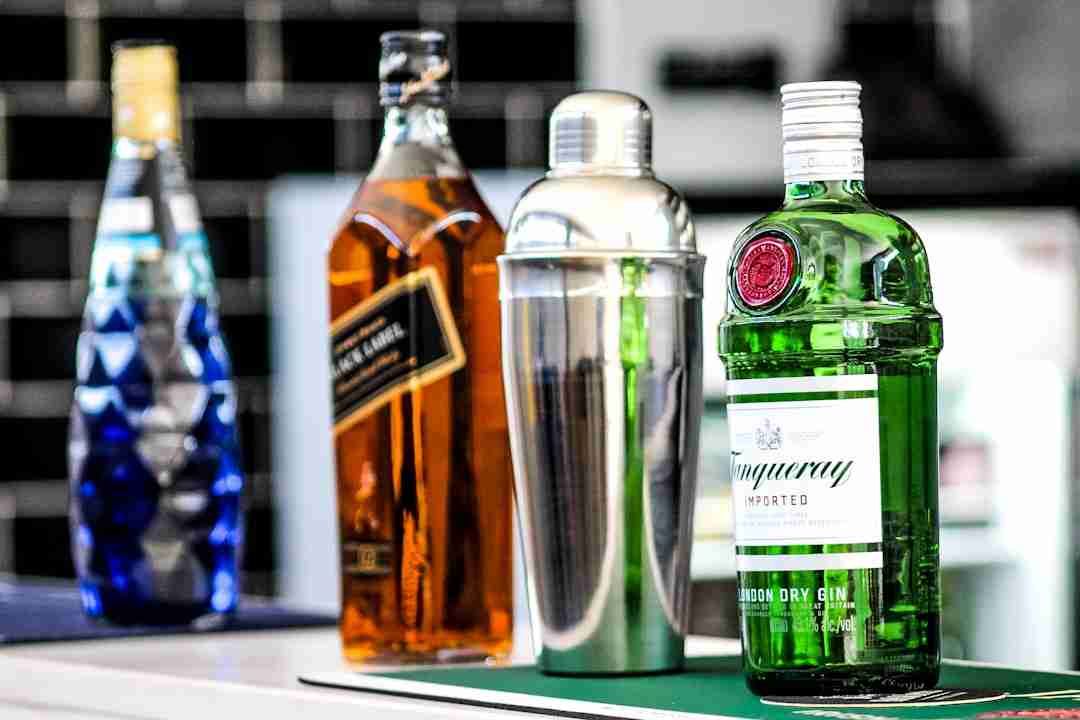
To craft an herbal tincture, one must first understand the basic components: alcohol, water, and herbs. The combination of these elements extracts and preserves the active compounds found in plants. Typically, professionals recommend using a high-proof alcohol, such as vodka or brandy, with an alcohol content of at least 40%. This ensures effective extraction of the medicinal properties. Some suggest a mixture of alcohol and water, which can be particularly beneficial for extracting a broader range of plant constituents.
Here's a quick guide to help you get started:
- Alcohol: Use a high-proof option like vodka or brandy. Avoid flavored varieties, as they can interfere with the extraction process. Everclear is another choice for those who prefer a higher alcohol content, though it should be used with caution due to its potency.
- Water: Often used in combination with alcohol to create a balanced menstruum (the liquid used for extraction). Distilled water is preferred to avoid any impurities that could affect the tincture's quality.
- Herbs: Fresh or dried herbs can be used. Fresh herbs are often preferred for their potency, but dried herbs are convenient and longer-lasting. Consider the herb's moisture content; high-moisture herbs might need a higher alcohol ratio to prevent spoilage.
Experimenting with different ratios and ingredients can yield a tincture that suits your specific needs. But remember, the choice of alcohol and water ratio depends on the type of herb and the compounds you wish to extract.
Choosing Your Herbs: From Echinacea to Valerian
Selecting the right herbs is crucial for making effective tinctures. Each plant offers unique properties that can address various health concerns. For example, echinacea is widely used to support the immune system, while valerian is known for its calming effects and ability to promote restful sleep.
Consider these popular herbs and their uses:
- Echinacea: Supports immune health and may reduce cold symptoms. It's often used at the onset of a cold to potentially shorten its duration.
- Valerian: Promotes relaxation and may improve sleep quality. Valerian root is especially favored for evening use to assist with insomnia.
- Calendula: Often used for skin health and wound healing. Its anti-inflammatory properties make it a popular choice in topical applications and tinctures alike.
- St. John's Wort: Commonly associated with mood support. It's important to note that this herb can interact with medications, so consult a healthcare provider before use.
When choosing herbs, freshness is key. Fresh herbs typically offer a more potent tincture, but dried herbs can be a good alternative if fresh ones aren't available. Always ensure the herbs are free from pesticides and contaminants, especially if they're harvested from your garden.
Crafting the Tincture: Step-by-Step Instructions
Creating an herbal tincture isn't complicated, but it does require patience and attention to detail. Here's a step-by-step guide to help you through the process:
-
Prepare Your Ingredients: Gather your chosen herbs, alcohol, and a glass jar with a tight-fitting lid. If using fresh herbs, chop them finely to increase surface area. For dried herbs, a rough chop will suffice.
-
Combine Ingredients: Place the herbs in the jar, filling it about halfway. Pour the alcohol over the herbs, covering them completely. Leave about an inch of space at the top to allow for expansion. Consider using a funnel to avoid spills and ensure precise pouring.
-
Seal and Shake: Seal the jar tightly and shake it well. This helps distribute the alcohol evenly and begins the extraction process. Shaking also prevents the herbs from settling and ensures consistent extraction.
-
Store and Wait: Store the jar in a cool, dark place for 4-6 weeks. During this time, shake the jar every few days to encourage extraction. You might find it helpful to set a reminder to shake the jar regularly to maximize the process.
-
Strain and Bottle: After the waiting period, strain the liquid through a cheesecloth or fine sieve into a clean bottle. Label the bottle with the herb name, alcohol type, and date. A funnel can again be useful here to prevent wastage during bottling.
While this process may seem lengthy, many find the wait worthwhile. The resulting tincture can be a powerful addition to your natural health arsenal.
Dosage and Safety: Knowing Your Limits
Using herbal tinctures effectively involves understanding proper dosages and potential safety concerns. Unlike pharmaceutical medications, tinctures can vary in strength depending on the herb and preparation method. Therefore, starting with a small dose is advisable.

Experts typically recommend beginning with 1-2 milliliters (about 30-60 drops) diluted in water, taken once or twice daily. It's important to monitor how your body responds and adjust the dosage as needed. Consulting a healthcare professional familiar with herbal medicine can provide valuable guidance tailored to your specific health needs.
Safety is paramount, especially if you're pregnant, nursing, or taking medications. Some herbs can interact with prescription drugs, so it's crucial to do thorough research and seek professional advice if you're unsure. For example, St. John's Wort is known to interact with antidepressants and other medications, potentially reducing their effectiveness.
Storage Tips: Keeping Your Tinctures Potent
Proper storage is essential for maintaining the potency and effectiveness of your herbal tinctures. When stored correctly, tinctures can last for several years. Here are some tips to ensure longevity:
- Use Dark Glass Bottles: Store tinctures in dark glass bottles to protect them from light exposure, which can degrade the active compounds. Amber or cobalt blue bottles are commonly used for this purpose.
- Keep in a Cool, Dark Place: A cupboard or pantry away from direct sunlight is ideal. Avoid areas that experience temperature fluctuations, such as near ovens or windows.
- Label Clearly: Always label your bottles with the contents and date to keep track of their age and potency. Include any specific instructions or dosage recommendations for easy reference.
- Avoid Contamination: Use a clean dropper each time to prevent introducing bacteria or other contaminants. It's wise to clean the dropper regularly and avoid touching it with your hands.
These practices ensure that your tinctures remain effective and safe for as long as possible.
Exploring Alternatives: Glycerin and Vinegar
Not everyone prefers alcohol-based tinctures, and fortunately, there are alternatives. Glycerin and vinegar can also be used as solvents, providing a non-alcoholic option.
- Glycerin Tinctures: Known as glycerites, these are sweet and palatable, making them suitable for children or those avoiding alcohol. However, glycerin is less effective at extracting certain compounds, such as resins and alkaloids. It's important to note that glycerin-based tinctures may have a shorter shelf life than their alcohol counterparts.
- Vinegar Tinctures: Apple cider vinegar is a popular choice, offering health benefits of its own. Vinegar tinctures are generally less potent but can be a good option for culinary purposes. They are often used in salad dressings or marinades to add a healthful twist to meals.
Each alternative has its pros and cons, so consider your needs and preferences when choosing the right base for your tinctures.
Exploring Herbal Combinations: Crafting Unique Blends
One exciting aspect of tincture crafting is the ability to create unique herbal blends tailored to specific health goals. By combining different herbs, you can target multiple concerns simultaneously. For instance, a blend of echinacea, elderberry, and ginger can provide robust immune support, especially during cold and flu season. Alternatively, combining chamomile, lemon balm, and passionflower can create a calming tincture perfect for stress relief and sleep support.
When crafting blends, consider the synergistic effects of herbs. Some herbs enhance each other's properties, making the blend more effective than individual components. Research potential interactions and start with small batches to evaluate the blend's efficacy and safety.
Taking the First Steps: Start Today
Crafting herbal tinctures is a rewarding endeavor that connects you to the healing power of nature. Whether you're looking to support your immune system, improve sleep, or simply explore natural remedies, tinctures offer a versatile solution. Start by identifying your health goals and choosing herbs that align with them. Gather your supplies, follow the steps, and embrace the process.
Today, you can take the first step by visiting your garden or local herbal shop to explore the possibilities. With time and practice, you'll build a collection of tinctures tailored to your unique needs, transforming your garden into a personal pharmacy.
For those interested in further reading or sourcing quality herbs, resources like the American Herbalists Guild offer valuable information and support. As you embark on this journey, remember that the world of herbal medicine is vast and varied, offering endless opportunities for discovery and healing.