Grandma’s Ginger Tea: The Cozy Cure for Winter Colds
The winter months often bring a familiar, unwelcome guest: the common cold. As temperatures drop, many find themselves seeking comfort and relief from that rough cough or persistent sniffle. Here's where a time-tested re
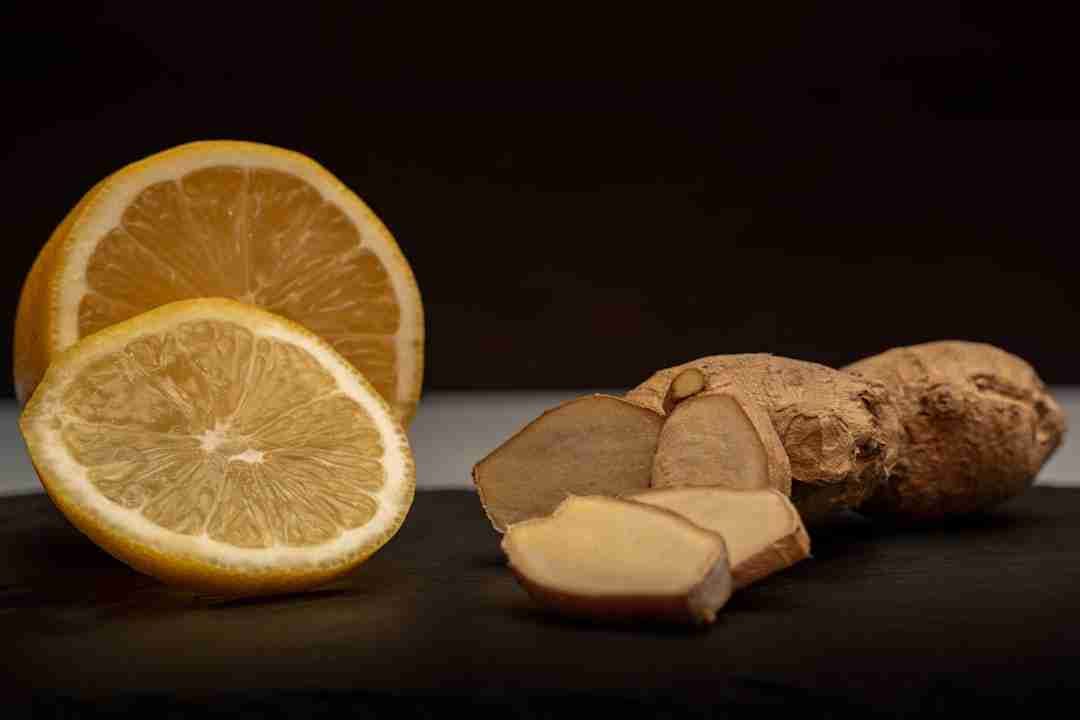
The winter months often bring a familiar, unwelcome guest: the common cold. As temperatures drop, many find themselves seeking comfort and relief from that rough cough or persistent sniffle. Here's where a time-tested remedy steps in—a steaming cup of Grandma's ginger tea. Warm, soothing, and surprisingly effective, this concoction has helped countless people combat the chill and congestion that winter seems to bring.
The Power of Ginger: A Natural Healer
Ginger isn't just a kitchen staple; it's a powerhouse of health benefits. Known for its anti-inflammatory and antioxidant properties, ginger has been used in traditional medicine for centuries. Its active compounds, like gingerol, are believed to help ease nausea, reduce muscle pain, and most importantly, fight infections. A study published in the "Journal of Ethnopharmacology" highlighted ginger's ability to combat respiratory infections effectively.
But how does ginger specifically help with colds? The warming effect of ginger helps increase circulation, which can break down the accumulation of toxins in your body and cleanse the lymphatic system. Ginger's ability to stimulate circulation is particularly beneficial during cold weather when your body naturally tends to conserve heat by reducing blood flow to the extremities. Additionally, ginger's natural spiciness can help clear nasal passages, making it easier to breathe. It's a simple, yet powerful ingredient that provides a holistic approach to cold relief.
Crafting the Perfect Cup: Ingredients and Method
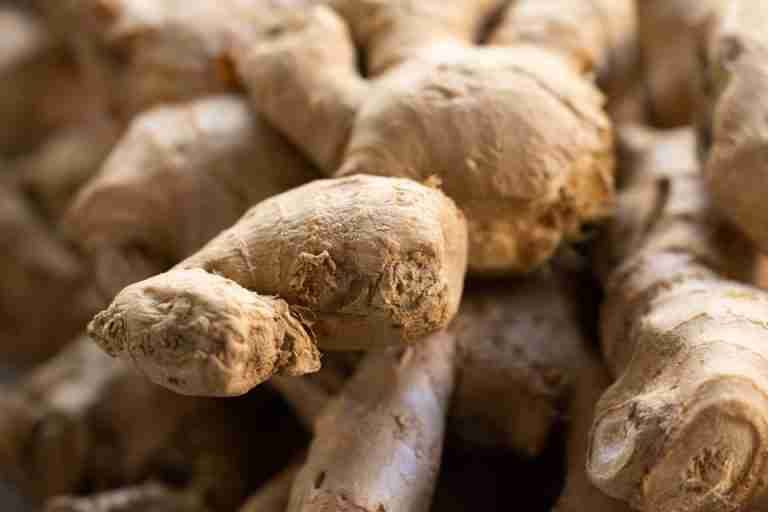
Creating the perfect cup of ginger tea is an art, but one that anyone can master. Here's a simple method to brew a cup that's both delicious and beneficial:
-
Ingredients Needed:
- Fresh ginger root (2 inches)
- 2 cups of water
- Honey or maple syrup (optional)
- Lemon slice (optional)
- Cinnamon stick (optional)
-
Step-by-Step Preparation:
- Peel and grate the ginger root to release its juices.
- Bring the water to a boil in a pot.
- Add the grated ginger and cinnamon stick to the boiling water.
- Reduce the heat and let it simmer for about 10-15 minutes.
- Strain the tea into a mug and add honey or maple syrup if desired. A slice of lemon can be added for extra Vitamin C and flavor.
This tea not only warms you up but also hits all the right notes of spicy, sweet, and tangy. Each ingredient plays a role in boosting your immune system and soothing your cold symptoms. For those who prefer a more intense ginger flavor, consider increasing the amount of grated ginger or allowing it to simmer for a longer period.
The Science Behind the Spice: Why It Works
Scientific studies back the efficacy of ginger in treating cold symptoms. Ginger's anti-inflammatory properties help reduce inflammation in the throat and nasal passages, which is often the cause of discomfort during a cold. Its antioxidant qualities also play a role in strengthening the immune system, preparing it to fight off the cold virus more effectively.
Research from the "International Journal of Preventive Medicine" suggests that ginger can be as effective as some over-the-counter medications for reducing cold symptoms. This makes it a great natural alternative for those looking to avoid pharmaceuticals. By enhancing immune function, ginger can help shorten the duration of a cold and reduce the severity of symptoms, allowing you to recover more quickly and comfortably.
Variations to Suit Every Palate
While the classic ginger tea is a favorite, there are numerous variations that can cater to different tastes and boost its effectiveness:
-
Ginger and Turmeric Tea: Adding a teaspoon of turmeric can enhance the anti-inflammatory benefits since turmeric contains curcumin, known for its powerful antioxidant and anti-inflammatory effects. This combination not only aids in reducing cold symptoms but also offers general health benefits, such as improved digestion and joint health.
-
Ginger and Peppermint Tea: A handful of peppermint leaves can add a refreshing twist, and peppermint is known for its ability to ease respiratory issues. The menthol in peppermint acts as a natural decongestant, which can complement ginger's effects in clearing nasal passages.
-
Spicy Ginger Tea: If you prefer a spicier kick, add a pinch of cayenne pepper. This variation not only warms you up but can also boost metabolism. Capsaicin, the active component in cayenne, may help thin mucus, making it easier for your body to expel it.
These variations ensure that you never tire of this healing beverage, and each offers unique health benefits that can help you tailor your remedy to specific needs. Experimenting with different combinations can also be a delightful way to discover new flavors while supporting your health.
When to Drink for Maximum Benefit
Timing can make a difference in how effective ginger tea is at alleviating cold symptoms. Drinking ginger tea at the onset of cold symptoms can be particularly helpful. This proactive approach can prevent symptoms from worsening, as the tea works to strengthen the immune system and reduce inflammation.
Experts suggest enjoying a cup in the morning to kickstart your metabolism and another in the evening to relax and unwind. The morning cup can invigorate your senses and prepare your body to tackle the day, while the evening cup can help induce better sleep, which is crucial for recovery. However, as always, moderation is key. Overconsumption can lead to stomach upset or heartburn. To avoid this, try to limit your intake to two or three cups per day, and consider alternating with other herbal teas.
Combining Ginger Tea with Other Remedies
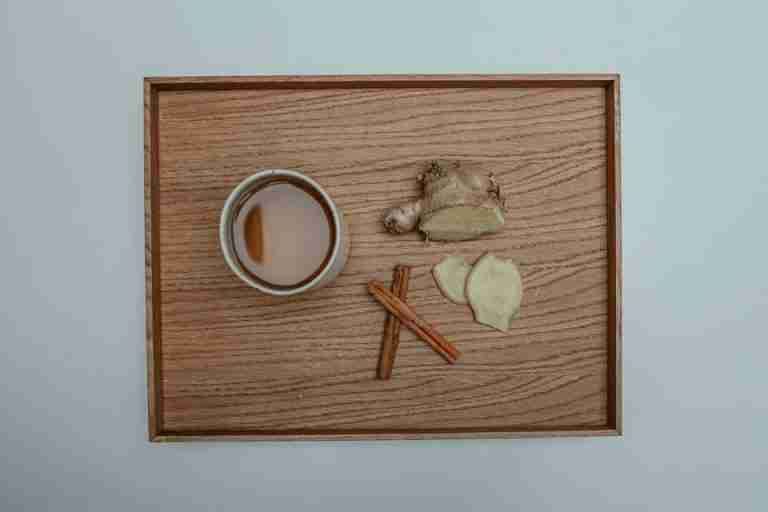
While ginger tea is effective on its own, it can be even more powerful when combined with other natural remedies. Consider the following strategies:
-
Steam Inhalation: Inhaling steam from a bowl of hot water can help open nasal passages. Adding a few drops of eucalyptus oil can enhance this effect. The soothing steam can moisturize dry nasal passages, providing relief from irritation and dryness.
-
Gargling Salt Water: This age-old remedy can soothe a sore throat and help kill bacteria. Saltwater creates an osmotic effect, pulling out excess fluid from inflamed tissues in the throat, reducing swelling and discomfort.
-
Adequate Hydration: Drinking plenty of fluids, including water and herbal teas, helps thin mucus and prevents dehydration. Staying hydrated is essential for maintaining optimal body function and can help your body more effectively fight off infections.
These methods, combined with ginger tea, can create an effective approach to managing cold symptoms naturally. You can also incorporate other immune-boosting foods like garlic, citrus fruits, and leafy greens into your diet to further enhance your body's ability to fend off colds.
A Word of Caution: When to Consult a Professional
While ginger tea is generally safe and beneficial, it's not a substitute for professional medical advice. If cold symptoms persist for more than a week, or if they're severe, it's important to consult a healthcare provider. This is particularly important for individuals with underlying health conditions or those taking medication, as ginger may interact with certain drugs.
The goal is to support the body in healing naturally but not to ignore symptoms that may require medical attention. As always, listen to your body and respond accordingly. It's worth noting that while ginger tea can provide relief from cold symptoms, it is most effective as part of a broader approach to wellness that includes proper rest, nutrition, and self-care.
In conclusion, Grandma's ginger tea isn't just a comforting winter beverage—it's a potent remedy that can help alleviate the symptoms of a common cold. By understanding the science and methods behind this drink, you can make the most of its healing properties. So next time you're feeling under the weather, consider brewing a cup and experiencing the cozy, healing warmth it offers.