Harnessing Herbal Infusions for Headache Relief
Exploring the Rich History of Herbal Infusions The use of herbal infusions as remedies is deeply rooted in tradition, spanning cultures and centuries. Ancient civilizations, from the Egyptians to the Chinese, recognized
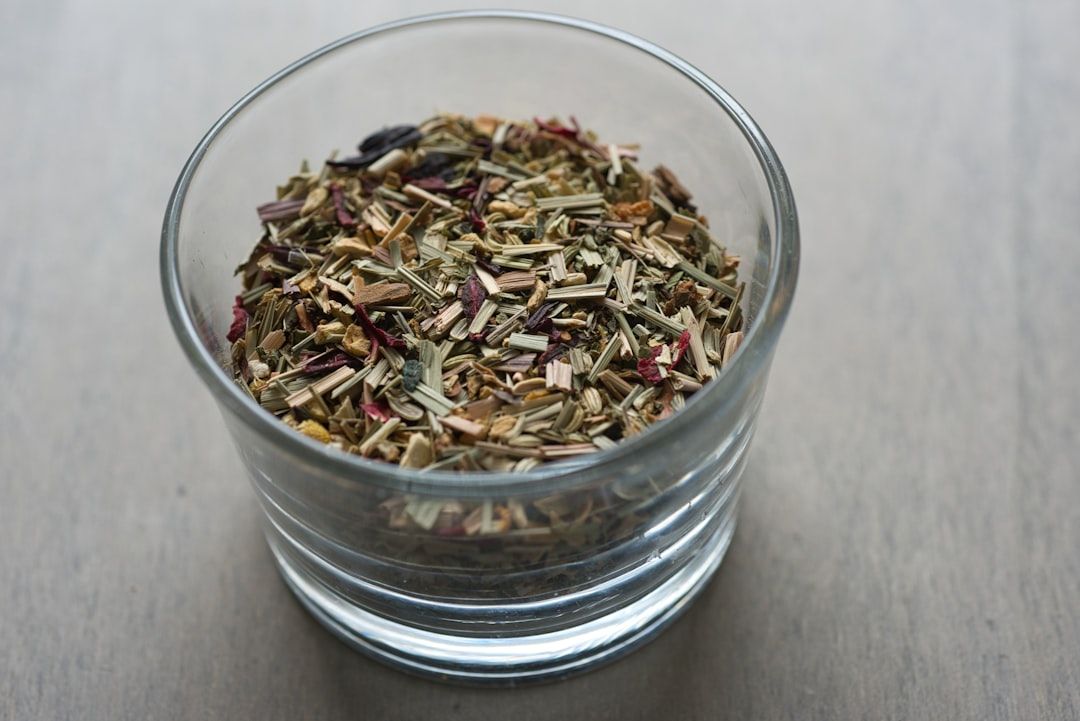
Exploring the Rich History of Herbal Infusions
The use of herbal infusions as remedies is deeply rooted in tradition, spanning cultures and centuries. Ancient civilizations, from the Egyptians to the Chinese, recognized the healing power of plants. The Egyptians used mint to cure indigestion, while the Greeks and Romans relied on willow bark for pain relief. In Traditional Chinese Medicine (TCM), herbs like ginger and ginseng have been pivotal for balancing the body’s energy, or “qi.” These historical practices have laid the foundation for modern herbal medicine, which continues to blend tradition with contemporary wellness needs.
The Science Behind Herbal Infusions
Herbal infusions, often referred to as herbal teas, are created by steeping various parts of a plant—such as leaves, roots, flowers, or bark—in hot water. The resulting brew extracts the plant’s beneficial compounds, delivering them in an easily consumable form. The therapeutic effects of these infusions are attributed to their active ingredients, which can include flavonoids, alkaloids, and essential oils, each contributing to their unique healing properties.
For example, peppermint tea is well-known for its menthol content, which acts as a natural muscle relaxant. This can be particularly beneficial for tension headaches, which result from muscle strain. Similarly, the salicin found in willow bark tea functions much like aspirin, providing relief for inflammatory headaches.
Practical Examples: Which Herbs to Use
Selecting the right herb is crucial to effectively harnessing herbal infusions for headache relief. Here’s a closer look at some of the most effective options:

– Peppermint: Known for its cooling menthol effects, peppermint tea can alleviate tension headaches. To prepare, use one tablespoon of dried peppermint leaves per cup of boiling water, steep for 10 minutes, and enjoy.
– Ginger: With its anti-inflammatory properties, ginger tea can soothe migraines and nausea. Slice a fresh ginger root and steep in boiling water for 15 minutes. Add honey for sweetness if desired.
– Chamomile: This herb is celebrated for its calming properties, making it ideal for stress-related headaches. Steep dried chamomile flowers in hot water for 5 minutes to create a relaxing infusion.
– Willow Bark: Often referred to as nature’s aspirin, willow bark tea can offer relief from pain and inflammation. Steep dried bark for 10 minutes, ensuring not to overconsume due to its potent effects.
– Lavender: Known for its soothing aroma, lavender can help ease headaches linked with stress and anxiety. Use dried lavender flowers, steeping them in hot water for a few minutes.
Case Study: Emily’s Journey to Natural Relief
Consider Emily, a 35-year-old graphic designer who frequently suffered from debilitating migraines. Despite trying various medications, she found little relief and was concerned about the long-term effects of pharmaceutical solutions. Her journey into herbal infusions began with a recommendation from a friend to explore natural remedies.
Emily started with peppermint tea, which helped reduce the frequency of her tension headaches. Encouraged by this success, she incorporated ginger tea into her routine, especially on days when she felt a migraine brewing. Over time, Emily noticed a significant reduction in both the frequency and intensity of her headaches. Herbal infusions became a staple in her daily routine, offering not just relief but a comforting ritual that she looked forward to.
Creating Your Herbal Infusion Routine
Embarking on your herbal infusion journey involves more than just selecting the right herbs. It’s about creating a personalized routine that fits seamlessly into your lifestyle. Here’s a step-by-step guide to get you started:

1. Identify Your Headache Type: Different headaches require different approaches. Determine if your headaches are tension-related, migraines, or due to other causes.
2. Select Your Herbs: Based on your headache type, choose the appropriate herbs. Start with one or two and observe how they affect your symptoms.
3. Gather Quality Ingredients: Opt for organic, high-quality herbs to ensure the best therapeutic effects. You can find these at health food stores or online.
4. Prepare Your Infusion: Use fresh, filtered water and steep the herbs according to the recommended times. Experiment with different steeping durations to find your preferred strength.
5. Incorporate Into Your Routine: Make your infusion a part of your daily relaxation time. Whether it’s a morning ritual or a calming evening routine, consistency is key.
6. Track Your Progress: Keep a headache journal to monitor the frequency and intensity of your headaches and the infusions used. This will help identify which herbs work best for you.
Integrating Complementary Practices
While herbal infusions can be powerful on their own, combining them with other natural remedies can enhance their effectiveness. Consider these complementary practices:
– Aromatherapy: Use essential oils such as lavender or eucalyptus in a diffuser or applied topically to temples for immediate headache relief.
– Acupressure: This involves applying pressure to specific points on the body to relieve tension. The LI4 point, located between the thumb and index finger, is particularly effective for headaches.
– Hydration: Dehydration is a common headache trigger. Ensure adequate water intake alongside your herbal infusions.
– Mindfulness and Meditation: Stress is a significant headache contributor. Incorporating mindfulness or meditation can reduce stress levels and prevent headaches.
Real-World Example: The Community Approach
In a small town in Vermont, a local wellness group, “Natural Harmony,” launched a community initiative to educate residents about natural headache remedies. They organized workshops focusing on herbal infusions, where participants could learn about different herbs, listen to expert talks, and even grow their own herbal plants.

One attendee, John, a teacher in his 40s, had been relying on over-the-counter painkillers for his chronic headaches. Through the workshops, he discovered the benefits of ginger and lavender teas. The community’s support and shared experiences encouraged him to adopt a holistic approach to headache management, dramatically improving his quality of life.
Examining Other Herbal Remedies Around the World
In India, Ayurveda—a traditional system of medicine—frequently employs herbs like holy basil and turmeric for their anti-inflammatory and analgesic properties. Holy basil tea, often referred to as “tulsi tea,” is believed to reduce stress and promote relaxation, making it beneficial for tension headaches. Meanwhile, turmeric, often consumed as a “golden milk” infusion with warm milk and honey, is renowned for its powerful anti-inflammatory effects, which can be helpful for chronic headache sufferers.
In South America, Yerba Mate, a traditional drink made from the leaves of the Ilex paraguariensis plant, is often consumed for its energizing effects. It is known to improve mental clarity and focus, potentially reducing stress-induced headaches.
Potential Challenges and Solutions
While the benefits of herbal infusions are substantial, there are potential challenges to consider:
– Allergic Reactions: Some individuals may be allergic to certain herbs. Start with small amounts and consult with a healthcare provider if unsure.
– Interactions with Medications: Herbs can interact with prescription medications. It’s crucial to consult a healthcare professional if you’re on medication.
– Consistency and Patience: Herbal remedies often require time to take effect. Be patient and consistent with your routine for the best results.
– Flavor Preferences: The taste of some herbal infusions may be off-putting to newcomers. Experiment with blends and add natural sweeteners like honey or lemon to improve palatability.
Actionable Takeaways
Harnessing herbal infusions for headache relief offers a natural, effective alternative to conventional medications. As you embark on this journey, remember:
– Personalization is Key: Tailor your herbal selections to your specific headache type and lifestyle.
– Experiment and Observe: Be open to trying different herbs and combinations, paying attention to how your body responds.
– Combine with Other Practices: Enhance the effects of herbal infusions by integrating complementary wellness practices.
– Seek Professional Advice: Always consult with healthcare professionals if you have underlying health conditions or are on medication.
By integrating herbal infusions into your lifestyle, you’re not only addressing your headaches but also embracing a more holistic approach to wellness. This practice offers a gentle, natural path to relief, inviting you to pause, brew, and savor the simple yet profound benefits of nature’s remedies.