Harnessing Herbal Teas for Nighttime Calm
Imagine settling into the evening with a cup of herbal tea that seems to melt away the day's stress. It's a familiar scene for many who seek a natural antidote to a restless mind. In a world where sleep issues affect aro

Imagine settling into the evening with a cup of herbal tea that seems to melt away the day's stress. It's a familiar scene for many who seek a natural antidote to a restless mind. In a world where sleep issues affect around 30% of the adult population, finding effective methods for relaxation becomes more crucial than ever. Herbal teas, with their long history and soothing properties, offer a promising solution. But which ones are the most effective, and how can they be incorporated into your nightly routine?
Chamomile Tea: A Time-Tested Classic
Chamomile tea has been a staple for centuries, renowned for its calming effects. This gentle herb contains apigenin, an antioxidant that binds to certain receptors in the brain, promoting sleepiness and reducing insomnia. Studies have shown that chamomile can improve sleep quality, especially when consumed regularly over a period of weeks.
To make the most of chamomile, consider brewing a cup about 30 minutes before bedtime. Steep one to two teaspoons of dried chamomile flowers in hot water for about five minutes. For enhanced relaxation, some people add a splash of milk or honey. Chamomile is widely available in various forms, including loose leaf and pre-packaged tea bags, making it an accessible option for anyone looking to improve their sleep.
Beyond its sleep-inducing properties, chamomile is also known for its anti-inflammatory and antioxidant benefits. This makes it not only a soothing bedtime drink but also a healthful addition to your daily routine. Some people even use chamomile tea to soothe minor skin irritations by applying it topically once cooled.
Valerian Root: Nature’s Tranquilizer
Valerian root is often referred to as nature's tranquilizer, thanks to its strong sedative properties. It's been used since ancient times to treat sleep disorders, primarily because it increases levels of a neurotransmitter called gamma-aminobutyric acid (GABA) in the brain. Higher GABA levels can lead to drowsiness and a reduction in anxiety.
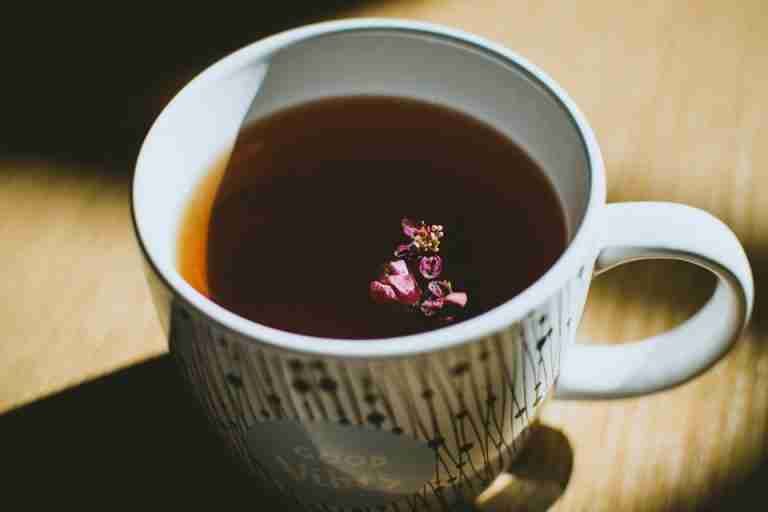
When using valerian root, it's essential to note that its effects can be potent. It's typically recommended to start with a small dose to see how your body reacts. Steep a teaspoon of dried valerian root in hot water for 10 to 15 minutes, and consume it about an hour before bed. Keep in mind that valerian has a distinct, earthy taste, which some find off-putting. Pairing it with other herbs like peppermint can make it more palatable.
For those who prefer a less intense flavor, valerian root is available in capsule form, allowing you to benefit from its calming effects without the taste. However, the ritual of brewing and sipping tea itself can be a significant part of the relaxation process, so consider experimenting with different blends to find a balance that suits your palate.
Lavender Tea: Aromatic and Calming
Lavender is more than just a fragrant herb used in aromatherapy. Its calming properties extend to herbal teas, where it acts as a gentle sedative. The essential oils in lavender can help reduce anxiety and promote relaxation, making it an excellent choice for those struggling with stress-induced sleep problems.
Creating a lavender tea involves steeping dried lavender flowers in boiling water for about five minutes. The result is a fragrant, soothing brew that can help ease the transition from a busy day to a restful night. For added flavor, consider combining lavender with chamomile or lemon balm.
In addition to its calming effects, lavender tea is often used for its potential digestive benefits. It is believed to soothe the digestive tract and relieve symptoms such as bloating. This dual-purpose makes lavender an excellent option for those who experience stress-related digestive discomfort.
Passionflower Tea: A Stress Reliever
Passionflower is another herb known for its ability to combat anxiety and improve sleep quality. Like valerian, it works by increasing GABA levels in the brain. Research indicates that passionflower can significantly enhance overall sleep quality, particularly when consumed as part of a regular nighttime routine.
To prepare passionflower tea, use one teaspoon of dried passionflower for each cup of boiling water. Allow it to steep for about 10 minutes, then strain and enjoy. Its taste is mild and pleasant, often described as slightly sweet and floral.
Passionflower is also studied for its potential benefits in reducing symptoms of menopause, such as hot flashes and mood swings. Including passionflower in your herbal tea rotation could provide additional health benefits, particularly for women experiencing these symptoms.
Lemon Balm Tea: Uplifting Yet Soothing
Lemon balm, a member of the mint family, is recognized for its uplifting yet calming effects. It's particularly beneficial for those who experience digestive issues that interfere with sleep, as it can help soothe the stomach while reducing anxiety.
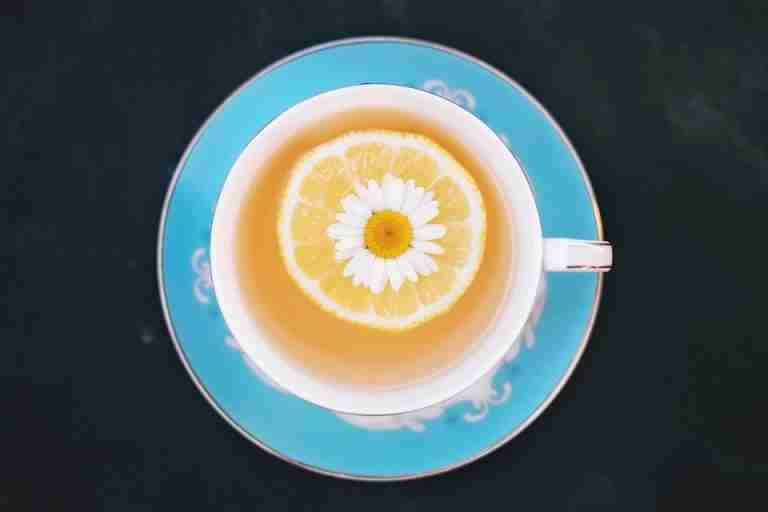
Brewing lemon balm tea is simple: steep one tablespoon of fresh leaves (or one teaspoon of dried leaves) in hot water for approximately 10 minutes. The resulting tea has a light, lemony flavor that pairs well with honey or ginger. Drinking lemon balm tea before bed can help create a sense of calm, preparing the body for a more restful sleep.
Beyond its sleep-enhancing properties, lemon balm is also used to improve cognitive function and mood during the day. Some studies suggest that lemon balm can enhance memory and alertness, making it a versatile herb to incorporate into both morning and evening routines.
Blending Herbal Teas for Enhanced Benefits
Combining different herbs can amplify their individual effects, creating a custom blend tailored to your specific needs. For instance, a mix of chamomile, lavender, and valerian could provide a powerful sedative effect, while lemon balm and passionflower might be more suitable for those looking to relieve stress and improve digestion.
When creating blends, it's crucial to experiment with different ratios to find what works best for you. Start with a small amount of each herb, and adjust based on taste and effectiveness. Many find that a balanced blend not only improves sleep quality but also enhances the overall tea-drinking experience.
Consider keeping a journal to track which combinations work best for your specific needs and preferences. Documenting your tea experiences can help refine your nighttime routine, ensuring a more personalized approach to relaxation and sleep.
The Ritual of Tea: Building a Nighttime Routine
Incorporating herbal teas into a nightly routine can be as much about the ritual as the tea itself. Creating a calming environment—perhaps with dim lighting and soft music—can enhance the soothing effects of the tea. Taking time to slow down and focus on the simple act of preparing and enjoying a cup of tea can signal to your body that it's time to unwind.
Set aside a specific time each evening to enjoy your tea, making it a non-negotiable part of your routine. Doing so can help train your body to recognize this time as a precursor to sleep, enhancing the effectiveness of the herbal remedies.
For those who enjoy writing, consider pairing your tea ritual with journaling. Reflecting on the day's events or jotting down thoughts and feelings can further help clear the mind, paving the way for a more restful sleep.
Potential Side Effects and Considerations
While herbal teas are generally safe, it's important to consider potential side effects and interactions. Some herbs, like valerian, can cause drowsiness the following day if consumed in large amounts. Others, like chamomile, might trigger allergies in some individuals.
If you're taking medications or have existing health conditions, consult a healthcare professional before incorporating herbal teas into your routine. Pregnant or breastfeeding individuals should also seek medical advice, as certain herbs may not be safe during pregnancy.
It's also important to source your herbs responsibly, as the quality can significantly impact their effectiveness and safety. Opt for organic, non-GMO options whenever possible to avoid potential exposure to pesticides and other chemicals.
Where to Buy Quality Herbal Teas
Quality matters when it comes to herbal teas. Look for reputable brands that offer organic, sustainably sourced products. Brands like Traditional Medicinals and Yogi Tea provide a wide range of herbal teas known for their purity and effectiveness. Purchasing from specialty tea shops or health food stores can also ensure access to high-quality, fresh herbs.
For those who prefer a more hands-on approach, consider growing your own herbs. Many, like lemon balm and chamomile, are relatively easy to cultivate at home, providing a fresh and potentially more potent source for your teas.
Taking the First Step Tonight
Choosing the right herbal tea can transform your nighttime routine, offering a natural path to relaxation and better sleep. Consider what specific effects you're seeking, whether it's anxiety reduction, improved sleep quality, or digestive relief. Start with a single herb, such as chamomile or lavender, and gradually explore combinations that suit your needs.
Tonight, why not try a cup of chamomile or lavender tea? Notice how it affects your mood and sleep quality. With time, you'll likely discover the perfect blend that helps you achieve the calm and restful sleep you've been seeking.