Harnessing Nature’s Rhythm: Aligning Your Day with the Sun for Better Wellbeing
Imagine waking up naturally without the jarring sound of an alarm clock, feeling refreshed and ready to tackle the day ahead. This isn't just a dream but a reality for those who have aligned their daily routines with the
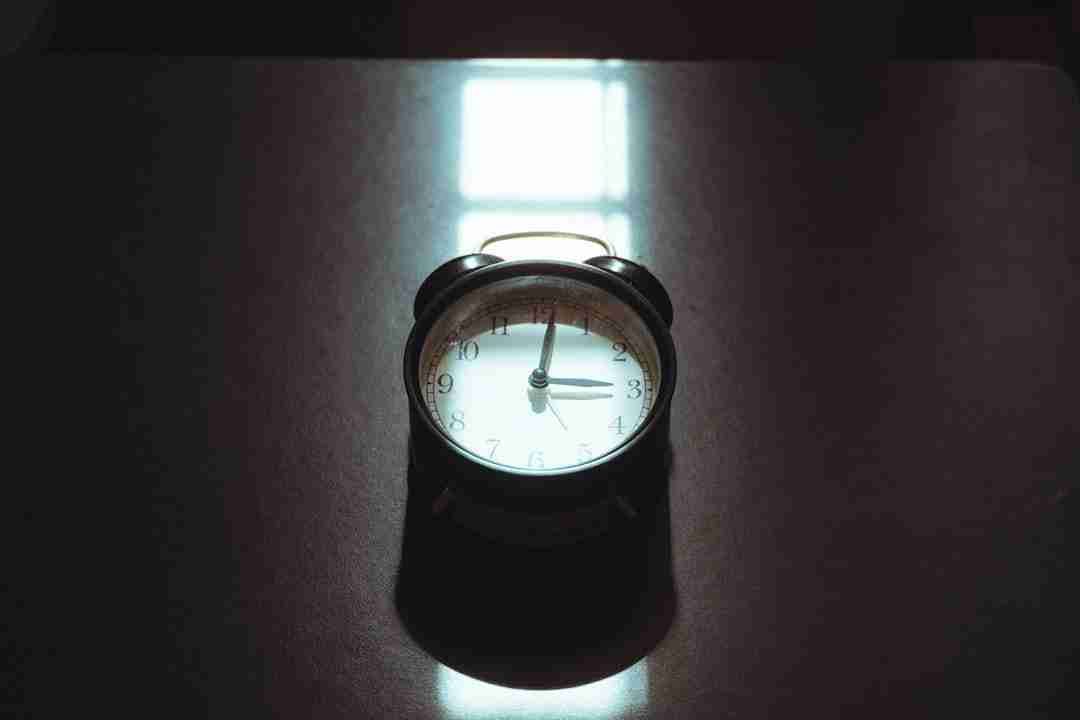
Imagine waking up naturally without the jarring sound of an alarm clock, feeling refreshed and ready to tackle the day ahead. This isn't just a dream but a reality for those who have aligned their daily routines with the sun's rhythm. The concept isn't new, but its importance is being increasingly recognized for enhancing wellbeing. The secret lies in understanding and harnessing the power of your circadian rhythm, nature's internal clock that ticks away in every human being.
Understanding Circadian Rhythm: Your Body's Natural Clock
At its core, the circadian rhythm is a 24-hour internal clock running in the background of the brain, cycling between sleepiness and alertness at regular intervals. It's also known as the sleep/wake cycle. This natural process regulates not just sleep patterns but also other bodily functions such as hormone release, eating habits, digestion, and body temperature. Research shows that aligning with this rhythm can significantly improve physical health, mood, and cognitive performance.
Most people experience the natural dips and rises in alertness throughout the day. Light is a primary cue that influences this clock. When the sun sets, the brain triggers the release of melatonin, a hormone that promotes sleep. Conversely, exposure to morning light suppresses melatonin production and signals the body to wake up. Knowing this, you can better plan your activities to match your body's natural energy highs and lows.
Morning Light Exposure: The First Step to Resetting Your Clock
One of the simplest yet most effective ways to align with the sun's rhythm is to expose yourself to natural light soon after waking. Experts recommend spending at least 30 minutes outside in the morning light. This exposure helps regulate melatonin production and sets the tone for your circadian rhythm for the rest of the day.
If outdoor exposure isn't feasible, consider using a light therapy box. These devices mimic natural sunlight and can be particularly beneficial during darker months or for those living in northern latitudes. A popular choice is the Verilux HappyLight, which provides bright, full-spectrum light that can help improve mood and energy levels. Incorporating light exposure into your morning routine can be as simple as taking a brisk walk, practicing yoga in a sunlit room, or enjoying a cup of coffee on the porch.
The Role of Routine: Consistency is Key
Consistency is crucial when aligning with your circadian rhythm. Establishing a regular sleep schedule can reinforce your body's natural cycle. Aim to go to bed and wake up at the same time every day, even on weekends. This practice helps stabilize your internal clock and can make falling asleep and waking up easier.
Creating a bedtime routine can also support this consistency. Activities like reading, taking a warm bath, or practicing relaxation exercises signal to your body that it's time to wind down. Avoid screens at least an hour before bed, as the blue light emitted can interfere with melatonin production. Consider developing a personalized relaxation ritual, such as listening to calming music, meditating, or journaling, to ease into a restful night’s sleep.
Meal Timing: Eating with the Sun
Interestingly, when you eat can affect your circadian rhythm almost as much as what you eat. Aligning meal times with daylight hours can enhance metabolic health. Try to have breakfast soon after waking, when the body is ready to process nutrients efficiently. Keep dinner light and finish eating at least three hours before bed to allow your body to digest properly.

Research suggests that erratic eating patterns can disrupt the circadian rhythm and lead to metabolic issues. It's not just about calories; it's about timing. For those seeking guidance on meal planning, MyFitnessPal offers tools to track meals and set reminders, helping you to maintain a balanced eating schedule. Additionally, consider incorporating whole foods and balanced macronutrients into your meals to support your body's natural energy cycles throughout the day.
Exercise and the Circadian Rhythm: Timing Your Workouts
Exercise is another crucial component of circadian rhythm wellness. The timing of physical activity can affect how well you sleep and your overall energy levels. Morning workouts are often recommended to boost mood and increase alertness throughout the day. However, if early workouts aren't your style, exercising in the late afternoon or early evening can also be beneficial, as body temperature is highest and muscles are warmest during this time.
It's essential to find a time that fits your schedule and makes you feel good. The key is consistency. Regular physical activity helps regulate the sleep/wake cycle, so choose a time you can stick to. For those looking to incorporate structured workouts, Nike Training Club offers a variety of plans that can fit into any schedule. Remember, even short bursts of physical activity, such as taking the stairs or doing a quick set of exercises at your desk, can positively impact your circadian rhythm.
The Impact of Technology: Mindful Use of Devices
In today's digital age, technology can often disrupt our natural rhythms. The blue light from screens, whether from smartphones, tablets, or computers, can delay melatonin production and shift the circadian rhythm. To mitigate this, consider using blue light filters on devices, especially in the evening. Most smartphones now have a "night mode" setting that reduces blue light emission.
For those who need extra help disconnecting, apps like Forest encourage users to stay off their phones by growing virtual trees as a reward for not using the device. This can be a fun and engaging way to reduce screen time, particularly before bed. To further minimize digital distractions, create a tech-free zone in your home or designate specific times when devices are off-limits, fostering a more mindful and restful environment.
Travel and Shift Work: Adapting Your Rhythm
Traveling across time zones or working irregular hours can disrupt the circadian rhythm. For travelers, it's beneficial to gradually shift sleep and meal times to align with the destination's time zone a few days before departure. Upon arrival, spending time outside during daylight hours can help reset the internal clock.
Shift workers face a unique challenge, as their schedules often conflict with natural light cues. Experts suggest maintaining a consistent sleep schedule, even on days off, to help stabilize the circadian rhythm. Investing in blackout curtains can create a conducive sleeping environment during daylight hours. For additional support, F.lux is a tool that adjusts the color temperature of your computer screen according to the time of day, which can be particularly helpful for those working night shifts. Consider implementing relaxation techniques or power naps strategically to mitigate the effects of an irregular schedule.
Practical Takeaways: Actions You Can Implement Today
Aligning with your circadian rhythm doesn't require drastic changes. Start by observing your natural energy patterns and gradually adjust your routine to better fit the sun's cycle. Here are some practical steps you can take today:
- Morning Light: Spend at least 30 minutes outside after waking.
- Consistent Sleep Schedule: Go to bed and wake up at the same time daily.
- Meal Timing: Eat meals during daylight hours and keep dinner light.
- Exercise: Choose a consistent time for workouts.
- Reduce Blue Light: Use filters and limit screen time before bed.
By taking these small steps, you can harness the power of your circadian rhythm, leading to improved health and wellbeing. Remember, it's about gradual adjustments and finding what works best for you. Nature's rhythm is there for the taking—it's time to align with it and enjoy the benefits.