Healing Headaches with Sage and Lavender: A Nature-Inspired Rescue
The throbbing pain begins behind the eyes, radiates to the temples, and soon, it feels like the entire head is caught in a relentless vice. Headaches, whether mild or migraine-inducing, interrupt daily life with an unwel
The throbbing pain begins behind the eyes, radiates to the temples, and soon, it feels like the entire head is caught in a relentless vice. Headaches, whether mild or migraine-inducing, interrupt daily life with an unwelcome intensity. While over-the-counter medications provide relief for some, others seek gentler, more natural solutions. Enter sage and lavender—two time-honored herbs celebrated for their therapeutic properties. But how exactly can these herbs help soothe that pounding headache? Here’s a look at how sage and lavender can become your nature-inspired rescue for headache relief.
The Science Behind Sage: A Natural Anti-Inflammatory
Sage, a staple in herbal medicine, is renowned for its anti-inflammatory and antioxidant properties. The herb contains rosmarinic acid, which can help reduce inflammation—a common contributor to headaches. Inflammation often causes blood vessels to swell, leading to increased pressure within the head. By targeting this inflammation, sage can potentially alleviate some of the pain associated with headaches.
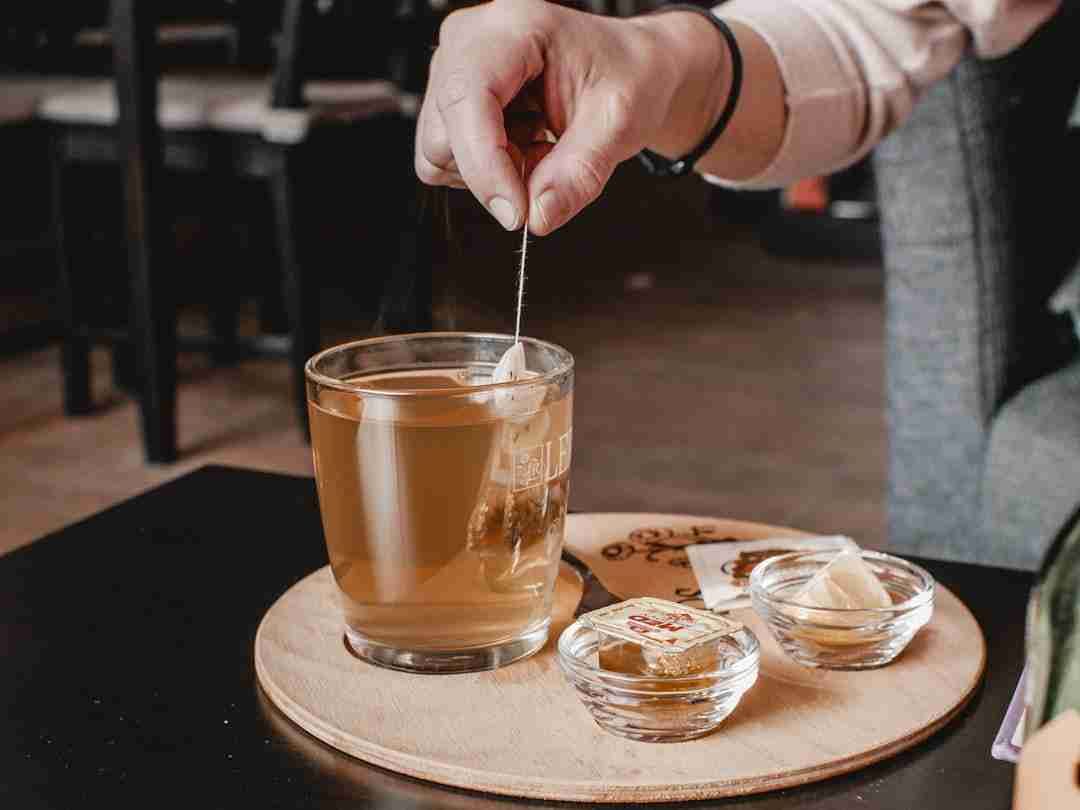
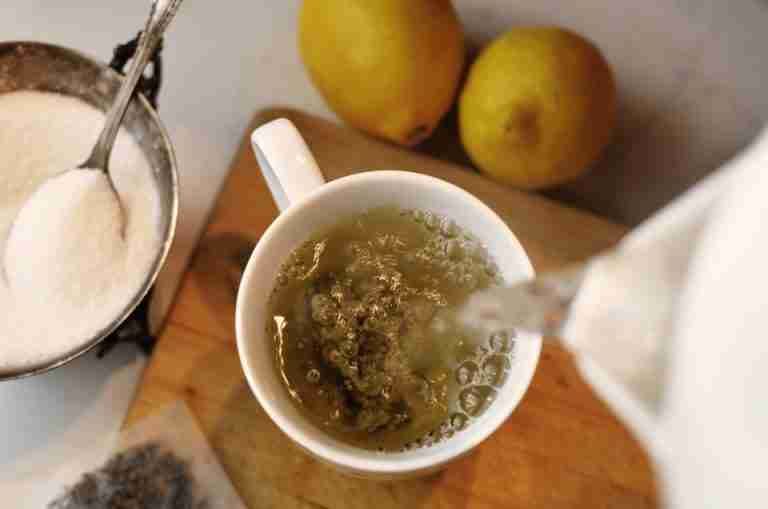
Experts suggest that consuming sage tea might be an effective way to harness these benefits. To make sage tea, steep one tablespoon of dried sage leaves in a cup of boiling water for about ten minutes. Strain the leaves and enjoy the tea while it’s still warm. Drinking this herbal tea two to three times a day could help reduce the frequency and intensity of headaches. For variety, consider adding a slice of lemon or a teaspoon of honey, which can enhance the flavor and add additional soothing properties.
Sage is not limited to tea alone. It can be incorporated into daily meals, bringing both health benefits and culinary delight. For instance, roasted chicken seasoned with fresh sage leaves or a sage-infused olive oil drizzled over salads can be both delicious and therapeutic.
Sage essential oil can also be used in aromatherapy. Simply add a few drops to a diffuser or mix with a carrier oil and apply to the temples. The scent of sage is believed to have calming effects, potentially reducing stress-induced headaches. However, it’s essential to conduct a patch test before applying any essential oil to the skin to avoid allergic reactions.
Lavender's Calming Touch: More Than Just a Pleasant Aroma
Lavender, with its soothing scent, is often associated with relaxation and tranquility. But its benefits extend beyond just a pleasant aroma. Research shows that lavender oil can act as a sedative, antispasmodic, and anxiolytic agent, making it a powerful remedy for tension headaches and migraines.

A study published in the journal European Neurology in 2012 found that inhaling lavender essential oil for 15 minutes during an acute migraine attack resulted in significant pain relief for participants. To replicate these results, one can simply inhale lavender oil directly from the bottle or add a few drops to a tissue and breathe deeply. For those with diffusers, adding lavender oil can create a calming environment conducive to relaxation and headache relief.
Another approach involves using a lavender-infused compress. Soak a cloth in a mixture of warm water and a few drops of lavender oil, then place it on your forehead or neck. This method can provide both the aromatic benefits of lavender and the soothing effects of warmth. For those who prefer baths, adding lavender oil to bathwater can create a relaxing environment that may help ease headache symptoms. Enhance the bath experience with Epsom salts, which can further promote muscle relaxation.
Combining Sage and Lavender: A Potent Duo
While each herb offers its unique benefits, combining sage and lavender can amplify their headache-relieving properties. Sage's anti-inflammatory effects paired with lavender's calming influence create a synergistic potion that tackles headaches from multiple angles.
One practical way to combine these herbs is through a tea blend. Mix equal parts of dried sage and lavender flowers, then steep a tablespoon of the mixture in hot water for ten minutes. This herbal tea can be consumed daily, offering a dual-action approach to headache management. For added benefits, consider including chamomile flowers, known for their additional calming effects.
For a more immersive experience, consider creating a sage and lavender sachet. Fill a small cloth bag with dried sage leaves and lavender flowers. These sachets can be placed under your pillow or near your workspace, releasing their calming aromas throughout the day. They also make thoughtful gifts, offering a personal touch that communicates care and well-being.
Mindful Practices: Enhancing the Effects of Herbal Remedies
Pairing herbal remedies with mindful practices can enhance their effectiveness. Stress and tension are common headache triggers, and mindfulness techniques can help mitigate these factors.

Deep breathing exercises, for instance, can be practiced alongside the use of lavender essential oil. While inhaling the soothing scent of lavender, take slow, deep breaths, focusing on relaxing each muscle group in the body. This combination can work wonders in alleviating tension headaches. Progressive muscle relaxation can also be an effective method, encouraging the release of physical tension.
Similarly, practicing yoga or meditation with the scent of sage in the background can create a calming environment conducive to headache relief. Incorporating these practices into your daily routine can not only help manage existing headaches but also reduce their frequency over time. Consider setting aside a dedicated space for these activities, enhancing the ambiance with soft lighting and calming music.
Dietary Considerations: Supporting Headache Relief Through Nutrition
The role of diet in headache management is often underestimated. Certain foods can trigger headaches, while others can help prevent them. Integrating sage and lavender into one's diet can be part of a broader approach to headache prevention.
Sage can be used as a seasoning for various dishes, providing both flavor and health benefits. Consider adding fresh sage leaves to soups, stews, or roasted vegetables. Sage butter, made by infusing butter with minced sage leaves, can be used as a delectable topping for pasta or grilled meats.
Lavender, on the other hand, can be used in baking. Lavender-infused honey or sugar can add a subtle floral note to baked goods, offering both culinary delight and potential headache relief. Try adding lavender to shortbread cookies or scones for a unique twist.
It's also critical to stay hydrated and maintain stable blood sugar levels, as dehydration and blood sugar fluctuations are known headache triggers. Drinking water throughout the day and having regular, balanced meals can make a significant difference. Including foods rich in magnesium, such as nuts and leafy greens, can also support headache prevention.
Immediate Relief: Quick Tips for On-the-Spot Headache Management
Sometimes, headaches strike when least expected, and immediate relief is necessary. While long-term strategies are essential, having a few quick remedies on hand can be a lifesaver.
Carrying a small bottle of lavender essential oil allows for on-the-spot aromatherapy. A few drops on a handkerchief or tissue can provide quick relief through inhalation. Additionally, sipping on sage tea or using a sage-infused compress can offer rapid comfort.
Another practical tip is to keep a lavender and sage balm handy. These balms can be applied directly to the temples or neck, providing both aromatic and topical benefits. Many find that the combination of scent and gentle massage can alleviate headache symptoms swiftly.
Incorporating Herbal Remedies into Daily Life
Incorporating sage and lavender into daily routines need not be a complex process. Start with simple steps, such as replacing your regular tea with a sage-lavender blend or lighting a lavender-scented candle during evening relaxation time. Over time, these small changes can accumulate, contributing to overall well-being and headache management.
Headaches are complex, and their causes can vary widely from one person to another. While sage and lavender offer promising natural remedies, it's important to remember that these solutions might not work for everyone. It's always wise to consult a healthcare professional, especially if headaches are frequent or severe.
Incorporating sage and lavender into one's lifestyle provides a holistic approach to headache management. These herbs, with their rich histories and proven benefits, remind us of the power and wisdom of nature. By exploring these natural remedies, you may find a gentle yet effective way to ease the discomfort of headaches and enhance overall well-being.