How a Five-Minute Dance Break Can Transform Your Day
Feeling drained halfway through the day? You're not alone. Many people hit that afternoon slump, where productivity takes a nosedive and fatigue sets in. But what if there was a simple, joyful solution that could shake o
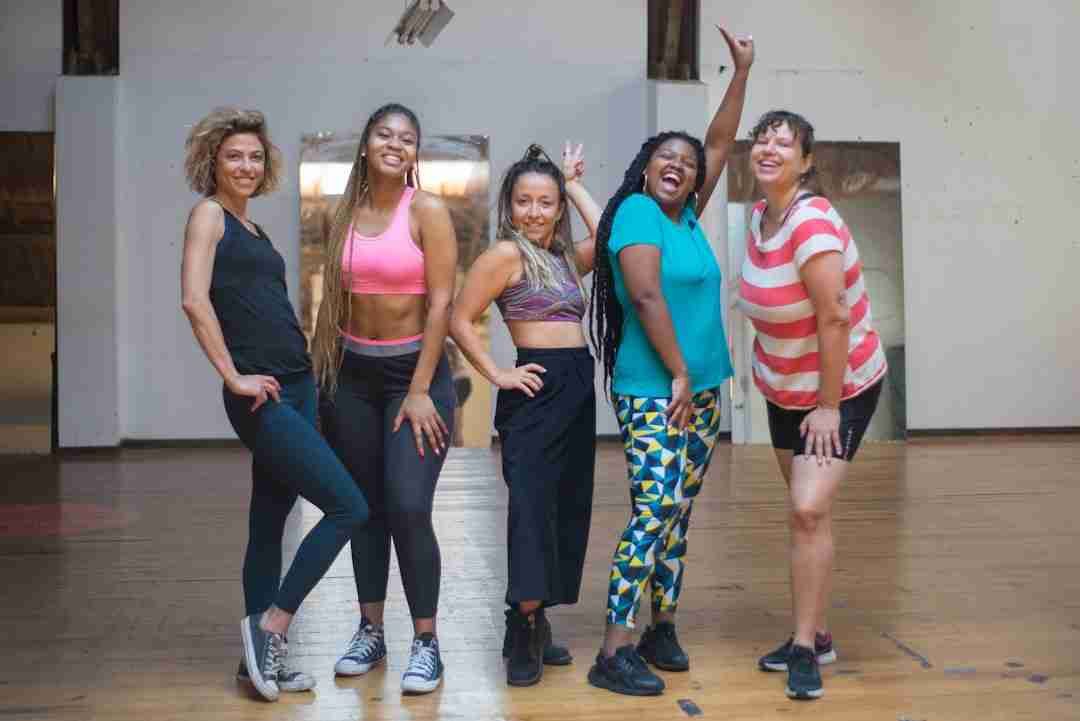
Feeling drained halfway through the day? You're not alone. Many people hit that afternoon slump, where productivity takes a nosedive and fatigue sets in. But what if there was a simple, joyful solution that could shake off the cobwebs and revitalize your energy? Enter the five-minute dance break—a surprisingly effective tool for recharging both body and mind.
The Science Behind Dance and Mood Boosting
Dance isn't just an enjoyable pastime; it's a powerful tool for enhancing mood and energy. Research shows that when you dance, your brain releases endorphins, the body's natural feel-good chemicals. These endorphins can lead to an immediate lift in mood, which is why a quick dance session can make you feel happier almost instantly. A study from the American Journal of Dance Therapy found that participants who engaged in regular dance activities reported higher levels of well-being compared to those who did not.
But there's more. Dancing also increases the production of serotonin, a neurotransmitter associated with feelings of happiness and reduced stress. This combination of endorphins and serotonin makes dance a potent antidote to the midday blues. Think of it as a mini-vacation for your brain that requires no travel, just some space to move and a beat to follow. It's akin to the runner's high that athletes experience, a natural mood enhancer that is accessible to anyone with a pair of feet and a willingness to move.
How Dance Breaks Improve Focus and Productivity
You're deep into a work project, and suddenly, your focus is as elusive as a shadow at noon. Experts suggest that short, physical activities like dancing can significantly enhance cognitive function. The act of dancing increases blood flow to the brain, which can improve concentration and mental clarity. When your heart rate goes up, so does the amount of oxygen and nutrients delivered to your brain, which can enhance your ability to think and make decisions more efficiently.

A report from the Journal of Applied Psychology found that employees who took short, active breaks were more productive than those who remained seated. So, a five-minute dance break isn't just a mood booster but a productivity hack, too. By stepping away from your desk and getting your blood pumping, you're likely to return to your tasks with a sharper focus and renewed energy. This brief interlude can act as a reset button, clearing mental fog and allowing for a more productive work session.
Choosing the Right Tunes: The Impact of Music on Dance Breaks
Not all music is created equal when it comes to dance breaks. The key is to select tracks that are upbeat and energizing. Songs with a fast tempo, around 120-140 beats per minute, are ideal for getting your heart rate up and maximizing the benefits of your dance break. Consider creating a playlist with tracks that make you want to move, whether it's classic hits, pop anthems, or even electronic dance music.
Spotify and other streaming platforms often have ready-made playlists for workouts or dance parties, making it easy to find the right music at a moment's notice. Just hit play and let the rhythm guide your movements. Remember, the goal is to feel good and re-energize, not to perfect a dance routine. If you're unsure where to start, try experimenting with different genres until you find the music that resonates with you, leading to an even more fulfilling dance break experience.
Setting the Scene: Creating a Space for Your Dance Break
A dance break doesn't require a dance floor, but setting up a conducive environment can enhance the experience. Clear a small area in your workspace or home where you can move freely without obstacles. Make sure the space is well-lit and ventilated to keep you comfortable. Having a dedicated spot can mentally prepare you for this energizing ritual, signaling to your brain that it's time to shift focus and enjoy a moment of liberation.
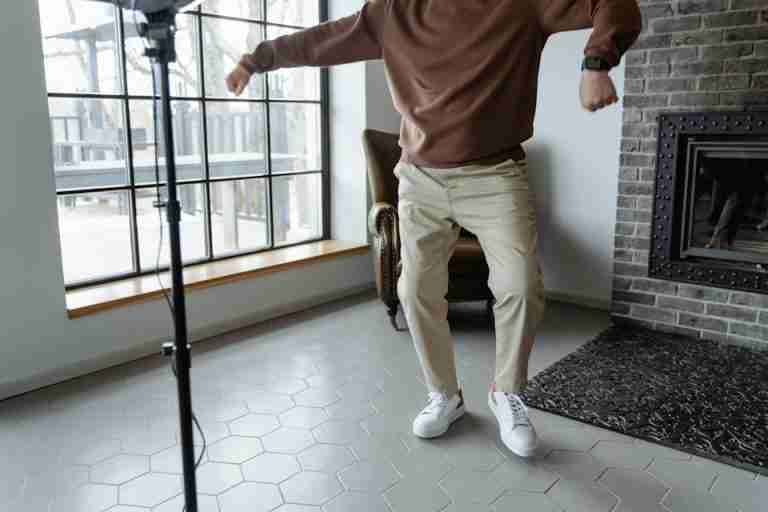
If privacy is a concern, consider using noise-canceling headphones and drawing any blinds or curtains. This way, you can fully immerse yourself in the music without distractions. Remember, the space doesn't have to be large or fancy; it just needs to be a place where you feel comfortable enough to let loose for a few minutes. A simple adjustment to your surroundings can transform a mundane area into a personal dance studio, enhancing the joy and freedom of your dance break.
Incorporating Dance Breaks into Your Routine
The key to reaping the benefits of dance breaks is consistency. Set a reminder on your phone or computer to take a dance break at the same time each day. Mid-morning or mid-afternoon are often ideal times, as they coincide with natural dips in energy levels. By anchoring your dance breaks to specific times, you create a habitual pattern that becomes a natural part of your day, much like brushing your teeth or having a morning coffee.
Start with just five minutes. If you're hesitant, begin with two or three minutes and gradually increase the time as you get more comfortable. The important thing is to make it a regular part of your routine, much like having a cup of coffee or checking your email. Over time, you'll likely find that you look forward to these breaks and the boost they provide. As they become second nature, you might even find yourself spontaneously breaking into dance when you need a quick pick-me-up.
The Surprising Benefits of Group Dance Breaks
While solo dance breaks are beneficial, there's something uniquely energizing about dancing with others. If you're in an office environment, consider organizing a group dance break with colleagues. A study published in the Journal of Occupational Health Psychology found that shared physical activities can strengthen team bonds and improve workplace morale. Dancing together fosters a sense of community, breaking down barriers and encouraging collaboration through shared joy and laughter.
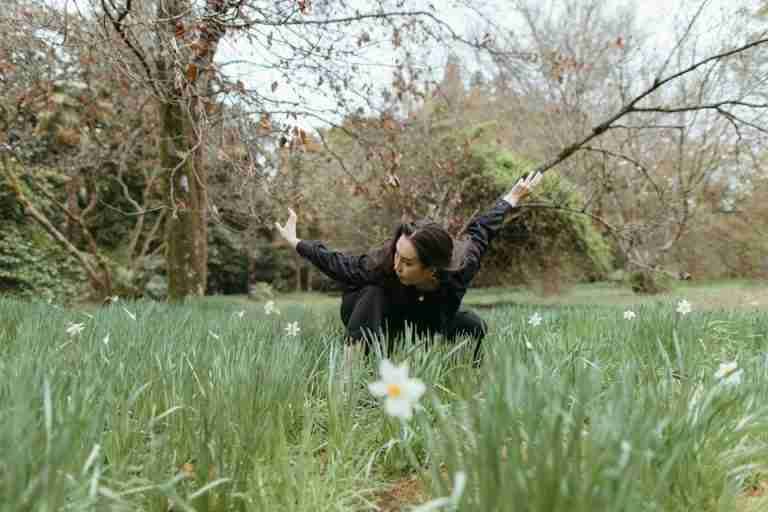
For remote workers, video conferencing tools like Zoom can facilitate a virtual dance party. Just send out a calendar invite, hit play on a shared playlist, and dance like nobody's watching—even if they are. The camaraderie and shared laughter can make the experience even more uplifting. These group dance sessions can also serve as a creative outlet, sparking new ideas and enhancing problem-solving capabilities within teams.
Overcoming the Initial Hesitation
It's normal to feel a bit self-conscious at first. The idea of dancing in the middle of your day might seem silly or embarrassing. But remember, the goal is to feel better and improve your well-being. Acknowledge any discomfort, then set it aside and focus on the benefits. Embrace the awkwardness as part of the process, knowing that each step you take is a step towards greater well-being.
Start with simple movements—perhaps just tapping your feet or swaying to the rhythm. As you get more comfortable, you can try more expressive moves. The important thing is to let go of self-judgment and allow yourself to enjoy the moment. Remind yourself that everyone starts somewhere, and your dance break is a personal journey towards joy and rejuvenation.
Real-Life Examples of Dance Break Success
Consider the case of a tech company in California where employees started taking daily dance breaks. Within weeks, management noted a marked improvement in employee engagement and creativity. Staff reported feeling more connected and motivated, and the company's team-building efforts became a model for others in the industry. This cultural shift not only enhanced individual well-being but also fostered a more dynamic and innovative work environment.
Another example comes from a high school in New York, where teachers incorporated dance breaks into the classroom to help students refocus. Academic performance improved, and students reported feeling less stressed and more enthusiastic about their studies. Teachers noted that students were more attentive and cooperative, illustrating the power of movement to transform the learning experience.
These examples highlight the versatility and effectiveness of dance breaks in various settings. Whether in a corporate office or a classroom, the benefits are clear. The adaptability of dance breaks allows them to be tailored to different environments and needs, making them a universal tool for enhancing well-being.
A Challenge for Today
Why not try a dance break right now? Set a timer for five minutes, pick a favorite track, and let yourself move. Notice how you feel afterward. The goal isn't perfection but to experience the joy and energy that dancing can bring. As you experiment with different moves and music, you'll discover what resonates with you and brings the most joy, making each break a unique and personal experience.
By incorporating these short bursts of movement into your day, you might find that you're not only more productive but also happier and more energized. And who knows? You might even discover a newfound love for dance. In a world where stress and fatigue are common, a five-minute dance break is a simple yet powerful tool. It requires no special equipment, costs nothing, and can be done anywhere. So, take a chance and dance. Your body and mind will thank you.