How to Cultivate a Restorative Sleep Ritual at Home
In our fast-paced world, where the demands of work, family, and life constantly pull us in different directions, the notion of getting a good night’s sleep can feel like a distant dream. Yet, sleep is as crucial to our h
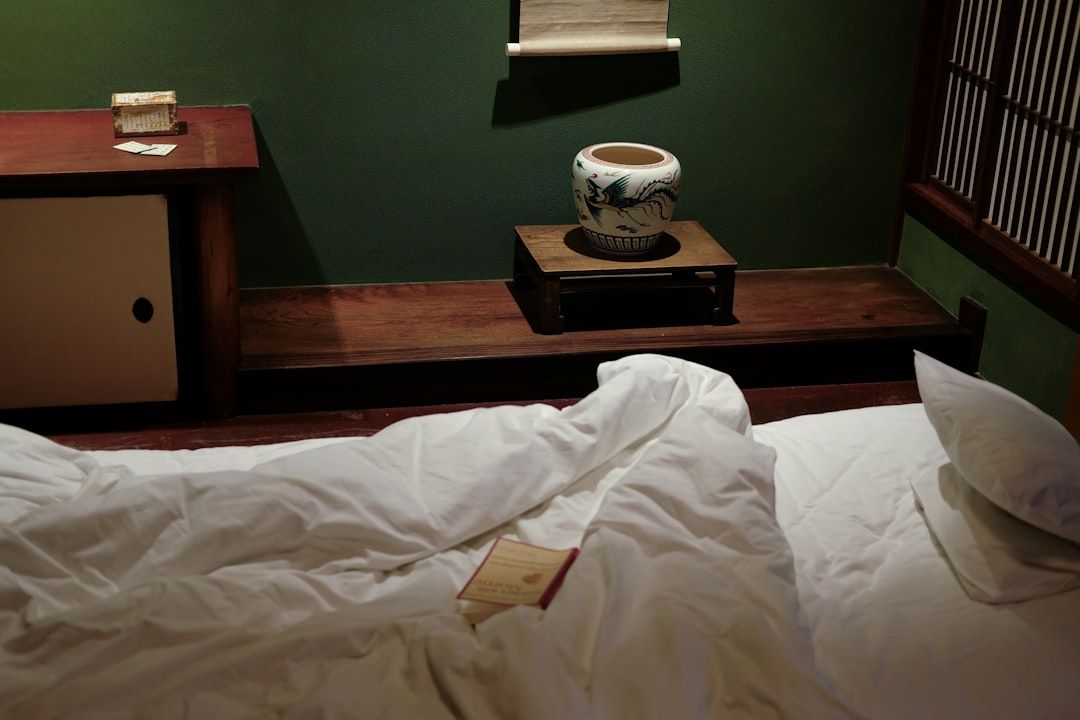
In our fast-paced world, where the demands of work, family, and life constantly pull us in different directions, the notion of getting a good night’s sleep can feel like a distant dream. Yet, sleep is as crucial to our health and well-being as nutrition and exercise. Cultivating a restorative sleep ritual at home can transform the way you rest and significantly improve your quality of life. This guide will explore how to create a soothing bedtime routine that promotes deep, restful sleep, ensuring you wake up refreshed and ready to tackle the day.
Creating an effective sleep ritual isn’t just about going to bed at the same time every night. It’s about crafting a series of habits and environmental adjustments that signal to your body that it’s time to wind down. Here’s how you can cultivate a restorative sleep ritual at home.
Set a Consistent Sleep Schedule
One of the foundational elements of a successful sleep ritual is consistency. Your body thrives on routine, and going to bed and waking up at the same time every day helps regulate your internal clock, known as the circadian rhythm. This rhythm dictates your sleep-wake cycle, and disrupting it can lead to sleep disorders.
Consider the story of Sarah, a corporate lawyer who struggled with insomnia due to her erratic work hours. By setting a strict sleep schedule, Sarah gradually trained her body to feel sleepy at the same time each night. She found that even on weekends, sticking to her weekday schedule helped maintain her sleep quality. It took discipline, but the payoff was enormous: she felt more energetic and focused during the day.
Create a Sleep-Inducing Environment
Your sleep environment plays a critical role in how well you rest. Transform your bedroom into a sanctuary that invites sleep by considering factors like temperature, light, and noise. Aim to keep your room cool, quiet, and dark.

– Temperature: Most people sleep best in a slightly cool room. Adjust your thermostat to around 60-67°F (15-19°C) for optimal sleep conditions.
– Light: Invest in blackout curtains or an eye mask to block out artificial light, which can disrupt your sleep cycle. Consider installing dimmers or using soft, warm lighting in the evening to signal to your body that it’s time to wind down.
– Noise: Use earplugs or a white noise machine to drown out disruptive sounds. Alternatively, some people find that listening to calming music or nature sounds helps them drift off more easily.
A good example is Tom, who lived near a busy street. He initially struggled with the noise, but after purchasing a white noise machine, he found that the consistent sound masked the traffic, allowing him to fall asleep more quickly and stay asleep.
Develop a Pre-Sleep Routine
Engaging in relaxing activities before bed can significantly enhance your sleep quality. This routine should last around 30-60 minutes and be free from stimulating activities like work or exercise.
– Reading: Choose a book that captures your interest without being too thrilling or emotionally taxing. Reading helps distract your mind from daily stresses.
– Bathing: A warm bath or shower can be incredibly soothing. The drop in body temperature post-bath mimics the natural body temperature decrease that occurs when you fall asleep.
– Meditation or Deep Breathing: Practicing mindfulness or deep breathing exercises can calm your mind and prepare your body for sleep. Apps like Headspace or Calm offer guided meditations specifically designed for bedtime.
Consider Jane, a busy mother of three, who implemented a relaxing bath and reading routine. She found that these activities helped her disconnect from her daily responsibilities and eased her transition into sleep.
Limit Exposure to Screens
The blue light emitted by phones, tablets, and computers can interfere with your body’s production of melatonin, the hormone that regulates sleep. Reducing screen time before bed is crucial for a restorative sleep ritual.

– Set a Cut-off Time: Aim to turn off electronic devices at least one hour before bedtime. Replace screen time with calming activities from your pre-sleep routine.
– Use Blue Light Filters: If you must use devices, enable night mode settings that reduce blue light or invest in blue light blocking glasses.
John, a software developer, initially found it challenging to part with his gadgets, but after experiencing improved sleep quality, he became a convert. He now uses the last hour before bed to journal, which not only helps him unwind but also offers a creative outlet for his thoughts.
Mind Your Diet and Exercise
What you eat and how you move your body can significantly impact your sleep quality. Here’s how to optimize both for better rest:
– Avoid Heavy Meals Before Bed: Eating large or spicy meals can cause discomfort and indigestion, making it harder to fall asleep. Try to finish eating at least two to three hours before bedtime.
– Limit Caffeine and Alcohol: Both substances can interfere with sleep. Aim to avoid caffeine after noon and limit alcohol consumption to earlier in the evening.
– Stay Active: Regular physical activity promotes better sleep. However, try to finish vigorous exercise at least a few hours before bed, as it can increase alertness.
Emily, a night owl and coffee enthusiast, struggled with falling asleep. By cutting out her late-afternoon coffee and scheduling her workouts for the morning, she found it easier to drift off at night.
Manage Stress and Worries
Stress and anxiety can wreak havoc on your sleep. Developing strategies to manage these feelings is key to a restful night.

– Journaling: Writing down your thoughts before bed can help clear your mind and reduce nighttime rumination. Focus on positive events from the day or jot down a to-do list for tomorrow to offload mental clutter.
– Progressive Muscle Relaxation: This technique involves tensing and then relaxing each muscle group in your body, starting from your toes and working up to your head. It’s a great way to release physical tension and promote relaxation.
Mark, an entrepreneur with a racing mind, found that journaling before bed allowed him to process his thoughts and set them aside until morning, resulting in more peaceful sleep.
Incorporate Aromatherapy
The power of scent can be a potent ally in your quest for better sleep. Aromatherapy involves using essential oils to promote relaxation and improve sleep quality.
– Lavender: Known for its calming properties, lavender oil can help reduce anxiety and improve sleep. Use a diffuser in your bedroom or apply a few drops to your pillow.
– Chamomile and Bergamot: These oils are also known for their soothing effects. Consider creating a bedtime spray with a blend of these oils diluted in water.
Lisa, a nurse working night shifts, struggled to unwind after late shifts. She incorporated lavender oil into her routine and found it helped her relax and transition into sleep more easily.
Consider Professional Help If Needed
If you’ve tried these strategies and still struggle with sleep, it may be time to consult a healthcare professional. Sleep disorders like insomnia or sleep apnea can require specialized treatment. A sleep specialist can offer personalized advice and treatment options tailored to your needs.
David, a long-term insomniac, eventually sought help from a sleep clinic. After a comprehensive evaluation, he was diagnosed with sleep apnea and given a CPAP machine. This intervention drastically improved his sleep quality and overall health.
By integrating these strategies into your daily routine, you can cultivate a restorative sleep ritual at home that enhances your well-being. Remember, creating a new habit takes time and patience, so be kind to yourself as you experiment with different approaches.
Actionable Takeaways
– Establish a consistent sleep schedule to regulate your body’s internal clock.
– Create a sleep-friendly environment by optimizing temperature, light, and noise.
– Develop a relaxing pre-sleep routine with activities like reading or meditation.
– Limit screen time before bed and use blue light filters if necessary.
– Mind your diet and exercise to support sleep health.
– Manage stress through journaling or relaxation techniques.
– Experiment with aromatherapy to incorporate soothing scents into your bedtime routine.
– Seek professional help if persistent sleep issues arise.
By prioritizing these steps, you can transform your nights and, subsequently, your days. Sleep is a vital pillar of health, and with a little effort and dedication, you can enjoy the profound benefits of a truly restorative sleep ritual at home.