Natural Stress Relief with Guided Meditation Practices
Stress. It’s that unwelcome guest that shows up when you least expect it, lingers longer than you’d like, and somehow manages to disrupt everything from sleep to relationships. I remember a time when I was juggling work
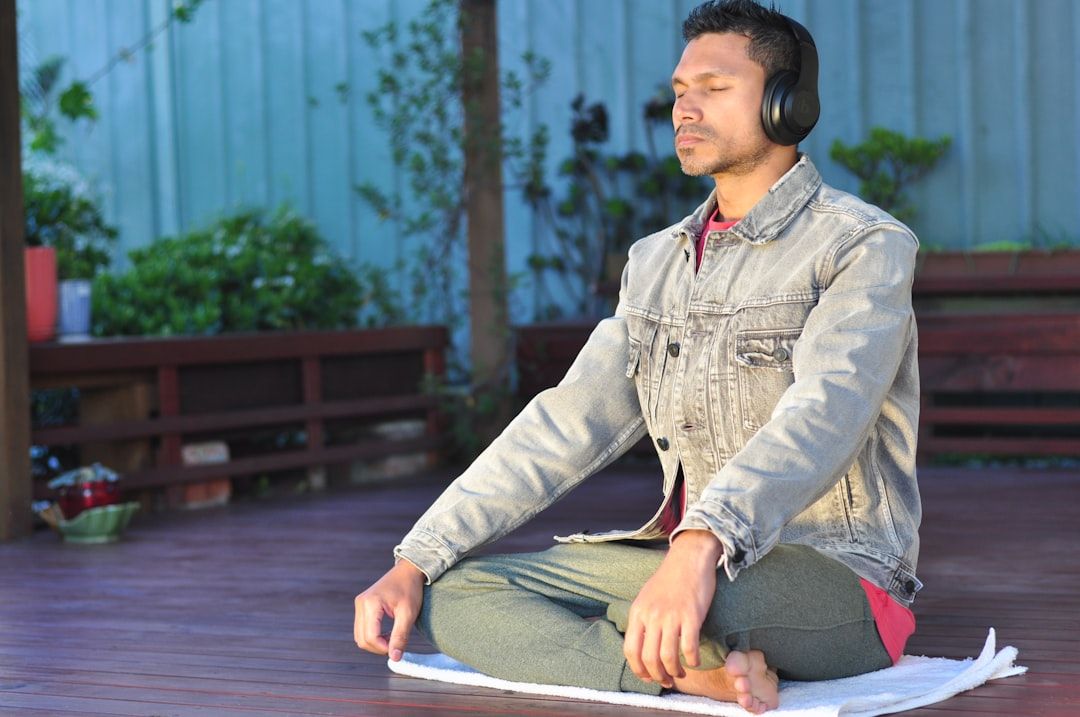
Stress. It’s that unwelcome guest that shows up when you least expect it, lingers longer than you’d like, and somehow manages to disrupt everything from sleep to relationships. I remember a time when I was juggling work deadlines, family commitments, and trying to maintain some semblance of a social life. Despite my best efforts, I felt like I was constantly running on empty. That’s when a friend casually mentioned guided meditation. At first, I shrugged it off, thinking it was one of those trendy wellness fads. But curiosity got the best of me, and I decided to give it a shot. Spoiler alert: it was a game-changer.
Why Most People Get This Wrong
Here’s the thing: meditation isn’t just about sitting cross-legged on a mountain top, humming “Om” while incense burns in the background. That’s the stereotype, right? In reality, meditation is more accessible and practical than most people think. Guided meditation, in particular, is like having a personal GPS for your mind. It leads you through the process, so you don’t have to worry if you’re “doing it right.” You just follow along, and before you know it, you’re in a different headspace.
I get it, though. The first few times I tried, I kept thinking, “Am I doing this right? Why isn’t it working?” But the beauty of guided meditation is that there’s really no wrong way to do it. It’s about finding what works for you and your unique stressors.
The Part Nobody Mentions
Let’s be real for a second. Meditation isn’t some magic cure-all. It’s not going to instantly zap away all your stress and make your problems disappear. But what it does offer is a shift in how you handle stress. It’s like cleaning out a cluttered closet; you might not have less stuff, but everything is organized, and you know where to find what you need. In my experience, guided meditation helps clear the mental clutter, making it easier to navigate life’s challenges.

And here’s something else that doesn’t get mentioned enough: the initial awkwardness. The first few sessions can feel strange, especially if you’re not used to sitting quietly with your thoughts. Honestly, I found myself giggling during my first session because it felt so foreign. But stick with it. That awkwardness fades, and before long, you might find yourself actually looking forward to your meditation time.
What Actually Works
So, what kinds of guided meditation practices are out there? There are tons, but I’ll share a few that worked for me. First off, there’s the classic body scan. This one is all about tuning into different parts of your body, from your toes to your head. It’s surprising how much tension we store without even realizing it. The body scan helps bring awareness and release to those areas.
Another favorite of mine is the loving-kindness meditation. This one’s about sending positive vibes to yourself and others. I was skeptical at first, but I found it incredibly uplifting. It shifts your perspective from a place of stress to one of compassion.
And then there’s visualization. This is where you imagine yourself in a peaceful setting, like a beach or a forest. It’s like a mini mental vacation. I often use this when I’m feeling overwhelmed and need a quick escape. The key is to find a guide whose voice and style resonate with you. Trust me, the right guide makes all the difference.
Real-world Examples
Take Emily, for instance. She was a high-powered executive constantly on the go. Work stress was a constant companion, leading to sleepless nights and strained personal relationships. Emily stumbled upon guided meditation through a wellness program at her office. Initially skeptical, she decided to try a 10-minute body scan meditation each morning. Within weeks, she reported feeling more centered and less reactive to workplace stressors. Her colleagues noticed her calmer demeanor, and Emily herself felt more connected in her personal life, attributing these changes to her daily meditation practice.

Then there’s Mark, a college student who struggled with anxiety and focus issues. With exams looming, Mark turned to guided meditation as a last resort after traditional stress-relief methods failed. He started with visualization exercises, picturing himself in his favorite childhood park. This simple practice provided a sense of peace and clarity that improved his concentration and reduced his anxiety. Mark’s grades improved, and he felt more confident tackling his academic challenges.
The Unexpected Perks
Alright, let’s talk about some of the side benefits. Besides stress relief, guided meditation has a bunch of unexpected perks. For me, it improved my focus and patience. I found myself being less reactive and more thoughtful in my responses. It’s as if meditation gave me a pause button in my brain, allowing me to think before I spoke or acted.
Plus, there’s the sleep factor. I’ve always been a bit of a night owl, but guided meditation helped me wind down and fall asleep faster. There’s something about calming your mind that naturally leads to better sleep. And better sleep means more energy and a better mood the next day.
But does this always work? Not exactly. There are still nights when my brain refuses to shut off, and that’s okay. It’s about progress, not perfection. Meditation is a tool, not a miracle.
The Struggle Is Real
Let’s address the elephant in the room: consistency. It’s easy to start meditating with gusto, but keeping up the habit can be a challenge. Life gets busy, and suddenly meditation feels like another item on a never-ending to-do list. I’ve been there.

What helped me was setting a realistic routine. Instead of trying to meditate for 30 minutes every day, I started with just five minutes. And you know what? Those five minutes made a difference. It’s not about the length, but the intention. Even a short session can reset your mind and lower stress levels.
And here’s a tip: pair meditation with something you already do regularly. Maybe it’s after your morning coffee or before bed. Tying it to an existing habit can make it easier to stick with.
Case Study: Lisa’s Journey
Lisa, a mother of three and a full-time nurse, found herself overwhelmed by the demands of her job and family. Feeling constantly drained, she sought help through a therapist who recommended guided meditation. Lisa began with just three minutes of loving-kindness meditation each day. Over time, she increased the duration and began integrating body scans into her routine. The changes were subtle but significant. Lisa found she had more patience with her children and felt more present during her shifts at the hospital. Her newfound calmness even inspired her colleagues to explore meditation themselves.
My Two Cents
In my experience, guided meditation is like a breath of fresh air for the soul. It’s an opportunity to step back, reflect, and recharge. But like anything worth doing, it takes practice and patience. There will be days when it feels effortless and others when it feels like a chore. And that’s okay. What’s important is showing up, even if it’s just for a few moments.
If you’re curious about trying guided meditation, I’d say go for it. Approach it with an open mind and see where it takes you. You might be surprised at how a few guided words can transform your day—and maybe even your life.
In the end, stress is a part of life. But it’s how we handle it that makes all the difference. Guided meditation has been a valuable tool in my stress relief arsenal, and I hope it can be the same for you. Here’s to finding a little peace in the chaos.