Swapping Fast Food for Farm Fresh: A Week of Living Locally
Imagine a week where every meal you eat not only satisfies your hunger but also supports local farmers, reduces your carbon footprint, and reconnects you with the community. Many find that swapping fast food for farm-fre

Imagine a week where every meal you eat not only satisfies your hunger but also supports local farmers, reduces your carbon footprint, and reconnects you with the community. Many find that swapping fast food for farm-fresh ingredients can transform the way they think about eating. And while living locally isn't always straightforward, the benefits are tangible and rewarding. It's a journey that begins with a single choice: opting for market-fresh produce over the convenience of a drive-thru.
Farmers' Markets: Freshness at Your Fingertips
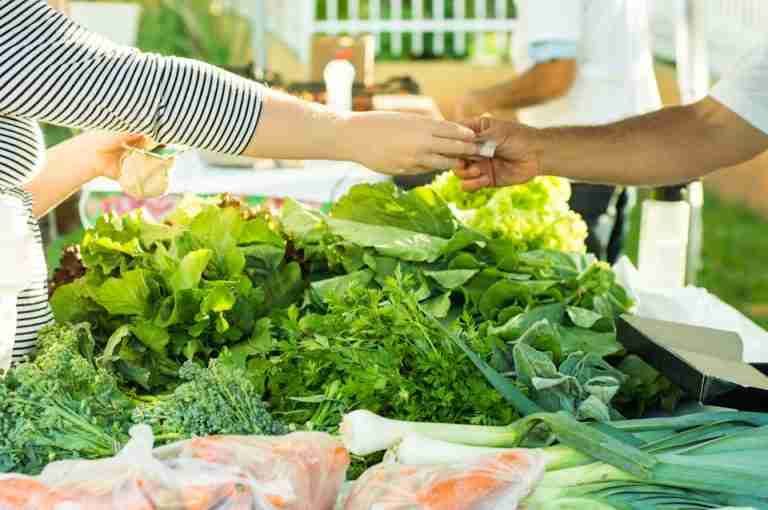
Farmers' markets are teeming with fresh produce, artisanal goods, and a vibrant atmosphere that grocery stores simply can't replicate. In the United States, there are over 8,000 farmers' markets, each offering a unique selection of local produce. By shopping at these markets, you're not just buying food; you're investing in quality and supporting local economies. Prices can vary depending on the region, but typically, a basket of fresh vegetables might cost around $20. The freshness of these items often means better taste and higher nutritional value compared to store-bought alternatives. Plus, market vendors are usually eager to share recipes and cooking tips. For instance, a vendor might suggest pairing their freshly harvested basil with locally grown tomatoes for a simple yet flavorful Caprese salad.
In addition to produce, many farmers' markets offer homemade products like jams, breads, and cheeses. Sampling these items can be a delightful experience, allowing you to discover new flavors and support small-scale producers. These markets often become community hubs, where you can meet the people behind your food and even learn about sustainable farming practices firsthand.
Community Supported Agriculture: A Subscription to Freshness
Community Supported Agriculture (CSA) programs offer an innovative way to ensure a regular supply of fresh produce. By subscribing to a CSA, you essentially buy a "share" of a local farm's harvest. Many find this commitment not only supports farmers upfront but also delivers seasonal produce directly to your door. A typical CSA subscription might cost between $400 to $700 for a 20-week season, translating to about $20 to $35 per week. This can be a cost-effective way to eat locally, especially when considering the variety and quality of produce received. For those interested, websites like Local Harvest provide a comprehensive database of CSAs in your area.
Some CSA programs offer more than just fruits and vegetables. Depending on the farm, you may find options that include eggs, flowers, or even meat. This variety allows members to enjoy an even broader range of local products, enhancing the experience and convenience of eating locally. Participating in a CSA can also provide educational opportunities, as many farms invite members to visit and participate in events like harvest days or farm tours.
Eat Seasonally: Aligning Your Diet with Nature
Eating seasonally means consuming produce that is harvested at its peak. Not only does this practice ensure you're getting the best-tasting fruits and vegetables, but it also reduces the energy and resources required for transportation. For instance, in the fall, you might enjoy apples, pumpkins, and squash, while spring offers fresh greens and strawberries. The USDA provides a seasonal produce guide that can help in planning meals around what's currently available. By aligning your diet with nature, you embrace diversity and encourage sustainability in agriculture.
Choosing seasonal produce can lead to culinary adventures as you explore the unique flavors and textures of different fruits and vegetables throughout the year. For example, winter might inspire hearty soups with root vegetables, while summer calls for refreshing salads with crisp cucumbers and juicy watermelon. Understanding the seasonality of produce also allows you to preserve flavors through methods like canning or freezing, extending the enjoyment of seasonal offerings into other parts of the year.
Local Butchers and Dairy: More Than Just Milk and Meat
Switching to locally sourced meat and dairy products can have a significant impact on your diet. Local butchers often offer grass-fed beef, free-range poultry, and pork that hasn't been subjected to the same mass production processes as supermarket alternatives. Similarly, local dairies may offer milk, cheese, and yogurt with fewer preservatives. While these products can be slightly more expensive, the quality is often superior. Plus, the satisfaction of knowing exactly where your food comes from is invaluable. Websites like Eat Wild can guide you to local farms and dairies committed to sustainable practices.

Local butchers and dairies often have a wealth of knowledge about their products and can provide advice on preparation techniques that maximize flavor and nutrition. Engaging in conversations with these experts can enhance your cooking skills and deepen your appreciation for high-quality ingredients. Additionally, visiting local farms to see the production processes can be an eye-opening experience, offering insight into the care and dedication that goes into producing your food.
Cooking Locally: Simple Recipes with Big Flavor
Cooking with local ingredients doesn't have to be complicated. In fact, the natural flavors of fresh produce often mean that less is more. For example, a simple salad using fresh greens, local tomatoes, and a sprinkle of feta cheese can be both delicious and nutritious. A roasted vegetable medley featuring seasonal squash, carrots, and beets can serve as a vibrant side dish. The internet is awash with recipes that focus on fresh ingredients, and sites like Epicurious offer a plethora of ideas to get started. The key is to let the natural flavors shine.
Experimenting with local ingredients can lead to discovering new culinary favorites. For instance, try creating a frittata using local eggs, seasonal vegetables, and artisan cheese. Or consider baking a fruit tart with fresh berries and handmade crust. Embracing local flavors can transform everyday meals into memorable dining experiences, and cooking at home allows for creativity and personalization in each dish.
Restaurants Supporting Local Farms
Many restaurants are now prioritizing local ingredients, offering menus that change with the seasons. Dining at these establishments not only provides a culinary experience but also supports the local food system. Chefs are often inspired by the challenge of creating dishes based on what's available, resulting in innovative and delicious cuisine. To find such restaurants, apps like OpenTable can be useful, often listing farm-to-table options in their search filters. Supporting these businesses reinforces the demand for local produce, creating a ripple effect throughout the community.

When dining at farm-to-table restaurants, you might encounter unique menu items that reflect the local terroir and showcase the chef's creativity. These dishes often highlight the best of what the season has to offer, providing an opportunity to taste the freshest ingredients in imaginative ways. Engaging with restaurant staff about the origins of the ingredients can also enhance your dining experience by connecting you to the local food network.
The Environmental Impact: Reducing Your Food Miles
The concept of "food miles" refers to the distance food travels from farm to consumer. Reducing these miles by eating locally has significant environmental benefits. It decreases greenhouse gas emissions associated with transportation and reduces reliance on long-distance shipping, which often involves heavy packaging. Experts suggest that by supporting local agriculture, you're contributing to a more sustainable food system. The environmental savings are substantial, with some estimates suggesting a reduction of up to 50% in transportation-related emissions.
In addition to reducing emissions, local eating supports biodiversity by encouraging the cultivation of a wider variety of crops. This diversity can lead to more resilient agricultural systems that are better equipped to withstand challenges such as climate change and pests. Choosing local foods also minimizes the need for preservatives and additives, as products are consumed closer to the source and often fresher.
Getting Started: Practical Tips for a Local Eating Week
Embarking on a week of local eating can be both exciting and daunting. Here's a practical approach to ensure success:
-
Plan Your Meals: Start by outlining a menu that incorporates seasonal and local produce. This helps streamline shopping and reduces food waste. Consider incorporating new recipes that highlight local ingredients to keep meals interesting.
-
Visit Farmers' Markets: Schedule a visit to a local market to gather fresh ingredients. Bring reusable bags and cash, as some vendors might not accept cards. Engage with vendors to learn more about their products and ask for recipe ideas.
-
Explore CSAs: Consider subscribing to a CSA for a steady supply of fresh produce. The commitment supports farmers and guarantees variety in your meals. Look for CSAs that offer flexible pick-up options to fit your schedule.
-
Cook at Home: Experiment with simple recipes that highlight the natural flavors of your ingredients. Focus on fresh herbs and spices to enhance dishes. Invite friends or family to join in the cooking process, making it a social and educational experience.
-
Dine Out Locally: Treat yourself to a meal at a farm-to-table restaurant. Savor the creativity of chefs who prioritize local ingredients. Use dining out as an opportunity to learn about new dishes and flavors that you can incorporate into your own cooking.
By taking these steps, you not only embrace a healthier lifestyle but also support a sustainable community.
The Long-Term Benefits of Eating Locally
Switching to a local diet isn't just a trend; it's a commitment to a healthier lifestyle and a better planet. Many find that local eating leads to a deeper appreciation for food, encouraging mindful consumption and less waste. The personal health benefits are substantial, with fresh foods often being richer in nutrients. Additionally, supporting local farmers promotes biodiversity and helps preserve farmland. The ripple effect on communities can be profound, fostering stronger local economies and a sense of community pride.
The reality is, while fast food offers convenience, the benefits of living locally extend far beyond the plate. As more individuals make the conscious choice to support local agriculture, the collective impact grows. So why not start today? Visit a farmers' market, explore a CSA, or enjoy a meal at a farm-to-table restaurant. The journey to living locally begins with a single step—and the rewards are well worth the effort.