Switching to Plant-Based: What a Month of Simple Swaps Taught Me
Switching to a plant-based diet might seem daunting, but what if it could be as simple as swapping out your milk and eggs? Imagine walking into a grocery store and knowing exactly what to pick up to make this transition.

Switching to a plant-based diet might seem daunting, but what if it could be as simple as swapping out your milk and eggs? Imagine walking into a grocery store and knowing exactly what to pick up to make this transition. Many find that just a month of these small changes can dramatically shift their perspective on food. And the best part? It's not just about the food—it's about discovering a lifestyle that's healthier and more sustainable.
Almond Milk Costs Just $3—A Smart Swap for Dairy
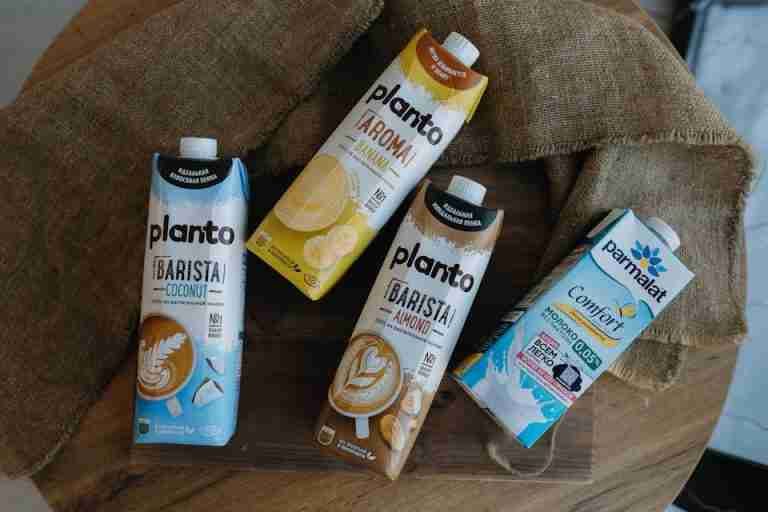
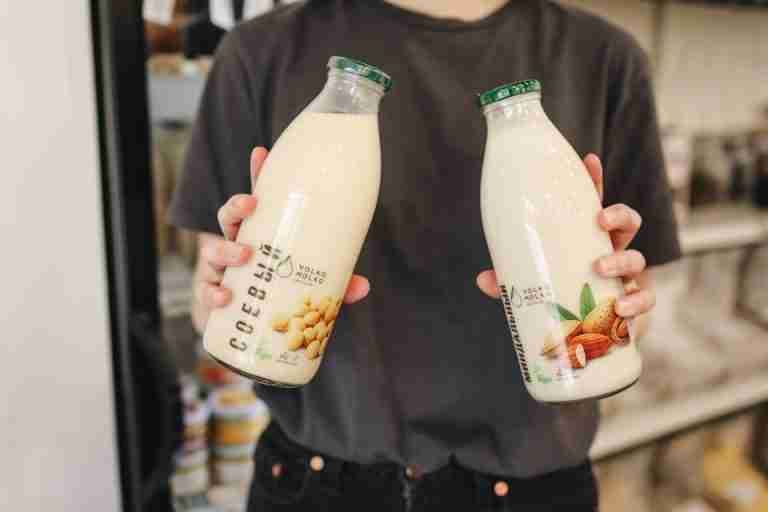
For many, the journey begins with the milk in their morning coffee or cereal. Swapping out cow's milk for almond milk is not only cost-effective but also a simple way to embrace plant-based nutrition. At around $3 for a half-gallon, almond milk offers a comparable price to dairy milk. Plus, it's lower in calories and saturated fat.
Almond milk isn't the only option, though. There's also soy, oat, and coconut milk. Each has its own nutritional profile. For instance, soy milk is high in protein, while coconut milk offers a creamy texture that many enjoy in their coffee. Oat milk, on the other hand, has a naturally sweet taste and is often enriched with vitamins such as B12 and D, making it a nutritious choice. The key is to try different kinds and see what fits your taste preference. For those with nut allergies, rice milk could be a suitable alternative, providing a light and mild flavor.
Takeaway: Next time you're at the store, pick up a plant-based milk alternative and try it for a week. Notice how it changes your morning routine and how your body feels with this new addition.
Quinoa Instead of Rice: A Protein-Packed Alternative
Rice is a staple in many diets, but have you considered quinoa? This gluten-free grain is not only high in protein but also contains all nine essential amino acids. One cup of cooked quinoa has about 8 grams of protein compared to rice's 4 grams.
Quinoa cooks just as quickly as rice and can be used in the same dishes. It's perfect for stir-fries, salads, and even as a breakfast porridge. Plus, it's a great way to add more fiber to your diet, which can aid in digestion and help you feel full longer. For breakfast, try a warm quinoa porridge mixed with almond milk, sweetened with a touch of honey or maple syrup, and topped with fresh fruits and nuts for a wholesome start to your day.
Takeaway: Replace rice with quinoa in one meal this week. Observe how it complements your dish and satisfies your hunger, while also offering a unique texture and flavor.
Nutrient-Dense Lentils for Ground Meat
Lentils are a powerhouse of nutrition and a fantastic substitute for ground meat. Rich in protein and fiber, they're also a great source of iron and folate. One cup of cooked lentils provides about 18 grams of protein, which is comparable to a serving of ground beef.
Lentils are versatile and can be used in soups, stews, and even tacos. They're also incredibly affordable, with a pound costing around $1.50. Cooking them is straightforward—just boil until tender, which usually takes about 20 minutes. For a hearty lentil stew, consider adding carrots, celery, and tomatoes, seasoned with herbs like thyme and rosemary, for a comforting meal that's both nutritious and filling.
Takeaway: Try substituting lentils for ground meat in your next taco night. Notice the texture and flavor; you might be surprised at how satisfying they are and how well they absorb the spices and seasonings you use.
The Surprising Benefits of Cashew Cheese
For cheese lovers, giving up dairy can be challenging. But cashew cheese offers a creamy, rich alternative that's both delicious and nutritious. Made from blended cashews, nutritional yeast, and spices, this cheese is high in healthy fats and B vitamins.
Cashew cheese can be used as a spread, a dip, or even melted over pasta. It's a versatile option that brings a cheesy flavor without the dairy. Plus, making it at home is easy and can be tailored to your taste with different herbs and spices. For an extra kick, try adding roasted red peppers or sun-dried tomatoes to your cashew cheese blend for a flavorful twist.
Takeaway: Whip up a batch of cashew cheese and use it as a dip for veggies. See how it compares to your usual cheese sauce and explore its potential as a substitute in your favorite recipes.
The $5.99 Meatless Burger That Tastes Like the Real Thing
Meatless burgers have come a long way, and the options available now are both delicious and satisfying. Brands like Beyond Meat and Impossible Foods have created burgers that mimic the taste and texture of beef but are entirely plant-based.
These burgers are often lower in saturated fat and calories than traditional beef burgers. They can be found in most grocery stores and are typically priced around $5.99 for two patties, making them a convenient and affordable option. For a complete meal, pair your meatless burger with a whole-grain bun and top it with avocado, fresh lettuce, and a slice of tomato for added nutrients.
Takeaway: Next time you're craving a burger, try a plant-based option. Notice the flavors and how they satisfy your craving without the heaviness of meat, and consider experimenting with various toppings to enhance the taste experience.
The Versatile Chickpea: From Salads to Snacks
Chickpeas, or garbanzo beans, are incredibly versatile and can be used in a variety of dishes. They're high in protein and fiber, making them filling and nutritious. They can be roasted for a crunchy snack or mashed into a creamy hummus.

Canned chickpeas are convenient and usually cost around $1 per can. They're great for quick meals and can be tossed into salads, soups, or curries. Research shows that incorporating legumes like chickpeas into your diet can help lower cholesterol and improve heart health. For a satisfying snack, roast chickpeas with olive oil and your choice of spices, such as paprika or cumin, for a flavorful and healthy alternative to chips.
Takeaway: Experiment with roasted chickpeas as a snack. They can be seasoned to your liking and offer a satisfying crunch, proving that plant-based snacks can be both delicious and nutritious.
The Environmental Impact of a Plant-Based Diet
Switching to a plant-based diet isn't just beneficial for health—it's also impactful for the environment. Studies suggest that reducing meat and dairy consumption can significantly lower one's carbon footprint.
Plant-based foods generally require fewer resources to produce and result in lower greenhouse gas emissions. For those concerned about environmental sustainability, even small changes, such as having meatless meals a few times a week, can make a difference. By choosing plant-based options, you can reduce the demand for water-intensive animal agriculture and contribute to the conservation of natural habitats.
Takeaway: Consider planning one meatless day a week. Track how it affects not only your health but also your perspective on consumption, and recognize the positive impact you can have on the environment.
Conclusion: Start Your Plant-Based Journey Today
Switching to a plant-based diet doesn't have to be an all-or-nothing approach. Simple swaps like those mentioned can make the transition smoother and more sustainable. By trying different plant-based options, you can discover new flavors and foods that you might not have considered before.
Consider starting with one meal a day or a single ingredient swap and gradually increase the changes as you become more comfortable. Remember, the goal is to find a balance that works for you and contributes positively to your health and the planet.
Taking these steps doesn't just improve personal well-being; it contributes to a larger movement toward sustainability and health. So why not start today? Make one of these swaps and see where it leads.