The Art of Walking Meditation: Finding Peace in Every Step
Imagine finding tranquility not in a secluded mountain retreat or a silent meditation hall, but right in the middle of your daily routine. Picture this: You're walking through a bustling city park, the noise of traffic a

Imagine finding tranquility not in a secluded mountain retreat or a silent meditation hall, but right in the middle of your daily routine. Picture this: You're walking through a bustling city park, the noise of traffic a distant hum, yet each step you take brings a sense of peace and clarity. This isn't a fantasy; it's the power of walking meditation. For many, the chaos of life makes finding time for mindfulness a challenge. But walking meditation offers a practical solution, infusing mindfulness into something as simple as taking a stroll. Here's how you can master the art of walking meditation and discover peace in every step.
The Science of Walking Meditation: Stress Reduction and Brain Benefits
Research shows that walking meditation isn't just a spiritual practice; it’s a scientifically-backed method to reduce stress and enhance brain function. A study published in the journal "Mindfulness" found that participants who engaged in walking meditation experienced significant reductions in stress and anxiety. This makes sense considering that the practice combines the physical benefits of walking with the mental benefits of meditation.
Here's how it works: Walking meditation encourages a focus on the present moment. This focus reduces the mental chatter that often leads to stress and anxiety. The rhythmic movement of walking can create a meditative state by synchronizing the body and mind. The result? A calmer mind and a healthier body. Try incorporating a 20-minute session into your daily routine and notice the difference in your stress levels.
Beyond stress reduction, walking meditation has been shown to improve cognitive function. It can enhance memory, attention, and creativity by promoting a relaxed yet alert mental state. This makes it especially beneficial for those in demanding professions or academic settings. Furthermore, regular practice can lead to long-term changes in brain structure, increasing gray matter density in areas associated with emotional regulation and self-awareness.
Choosing the Right Environment: Parks, Trails, and Indoor Spaces
Selecting the right environment for walking meditation is essential. While some may picture lush parks or scenic trails, the reality is it can be practiced almost anywhere. Of course, there are benefits to choosing a location that minimizes distractions and enhances the meditative experience.
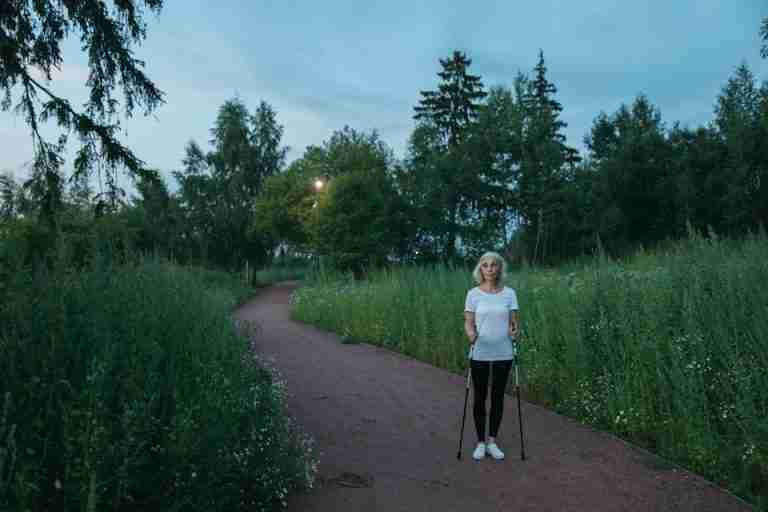
Outdoor spaces like parks or nature trails offer the advantage of natural beauty and tranquility. The fresh air and natural surroundings can deepen the meditative state. However, urban environments can also be suitable. The key is to find a space where you can walk safely and without interruption. Even indoor spaces, like a quiet hallway or a dedicated meditation room, can work well.
Professionals note the importance of choosing a location that feels comfortable and safe. This ensures that the mind can focus on the meditative practice rather than external concerns. Experiment with different environments to find what works best for you. It's worth considering the time of day as well; a morning walk might offer a different ambiance compared to an evening stroll, with each presenting unique sensory experiences that can enrich the practice.
The Technique: Steps to Practicing Walking Meditation
Walking meditation might sound straightforward, but it involves more than just walking mindlessly. It requires a deliberate approach to each step. Here's a step-by-step guide to get you started:
-
Start with Posture: Stand upright with your feet shoulder-width apart. Let your arms hang naturally or clasp them in front or behind you. Relax your shoulders and take a few deep breaths.
-
Set Your Intention: Before you begin, set an intention for your practice. This could be to cultivate peace, awareness, or gratitude. Intentions can also be tailored to personal goals, such as reducing anxiety or enhancing focus.
-
Focus on Your Steps: Begin walking slowly, focusing on each step. Notice how your foot lifts, moves forward, and makes contact with the ground. The pace should be slow enough that you're fully aware of each movement.
-
Sync with Your Breath: Pay attention to your breathing. You might inhale over three steps and exhale over the next three. Find a rhythm that feels natural. This synchronization can deepen the meditation and help maintain focus.
-
Maintain Awareness: As you walk, keep your mind focused on the sensation of walking. If your mind wanders, gently bring your attention back to your steps and breath. Over time, this practice strengthens concentration and mindfulness.
-
End with Reflection: After your session, take a moment to reflect on the experience. Notice any changes in your mood or mental state. This reflection can provide insights into your progress and highlight areas for improvement.
Practicing these steps regularly can enhance the benefits of walking meditation, making it an integral part of your mindfulness routine.
Apps and Tools to Enhance Your Practice
Technology can be a helpful ally in maintaining a consistent walking meditation practice. Several apps provide guidance and tracking to enhance your experience. Headspace offers guided walking meditations that are perfect for beginners. It includes various lengths and focuses, allowing you to tailor the practice to your needs.

Another useful tool is Calm, which provides themed walking meditations, such as those focused on gratitude or stress relief. These can provide additional structure and variety to keep your practice engaging.
For those who prefer a more data-driven approach, Strava can track your walking sessions, offering insights into distance and time. While not specifically for meditation, it can help establish a routine and measure progress. Additionally, apps like Insight Timer offer community features where you can join groups and share experiences, adding a social dimension to your practice.
Common Challenges and How to Overcome Them
Walking meditation, while simple in concept, can present challenges. Many find it difficult to maintain focus, especially in noisy or busy environments. Here are some common issues and solutions:
-
Distractions: Whether it's the noise of traffic or passing conversations, distractions are inevitable. Use them as an opportunity to practice returning your focus to your steps and breath. Over time, this will strengthen your concentration. Consider using earplugs or noise-cancelling headphones with soft, ambient music if the environment is particularly noisy.
-
Restlessness: It's normal to feel restless, especially when starting. Begin with shorter sessions and gradually increase the duration as your concentration improves. Incorporating gentle body movements, like subtle arm swings, can also help manage restlessness.
-
Doubt: Some may question if they're "doing it right." Remember, there's no perfect way to practice. The goal is to cultivate awareness, not achieve a specific outcome. Trust the process and stay committed. Connecting with a meditation community can provide reassurance and support.
By recognizing these challenges and addressing them proactively, you can deepen your practice and experience greater benefits.
Real-Life Examples: How Walking Meditation Transforms Lives
Consider the story of Jane, a busy marketing executive who struggled with anxiety. Integrating walking meditation into her daily routine transformed her life. She found that starting her day with a 15-minute walking meditation in a nearby park reduced her stress and increased her productivity. The practice became her anchor amidst a hectic schedule.

Similarly, Mark, a college student, used walking meditation to manage the pressures of academic life. By practicing in the evenings around campus, he found a new sense of calm and focus, helping him excel in his studies.
These examples illustrate the transformative power of walking meditation. It's a versatile practice that can be tailored to fit any lifestyle, offering tangible benefits to those who commit to it. Whether it's a corporate executive or a student, individuals from all walks of life have reported improved emotional resilience, better sleep, and a deeper connection with their surroundings through regular practice.
Getting Started Today: Small Steps, Big Changes
You don't need a lot of time or resources to begin walking meditation. Start small, perhaps with a 5-minute session during your lunch break. Choose a quiet path, follow the steps outlined earlier, and see how you feel afterward. Gradually, you can extend the duration and experiment with different environments.
Remember, the goal is not perfection but consistency. By making walking meditation a regular part of your routine, you can cultivate a greater sense of peace and mindfulness in daily life. So take that first step today and discover the art of finding peace in every step you take.