The Quiet Practice of Forest Bathing: Nature’s Antidote to Stress
Imagine stepping into a lush, green forest where the air feels different—crisp and clean, infused with the earthy scent of pine and damp soil. The only sounds are the gentle rustle of leaves and the distant call of a bir

Imagine stepping into a lush, green forest where the air feels different—crisp and clean, infused with the earthy scent of pine and damp soil. The only sounds are the gentle rustle of leaves and the distant call of a bird overhead. This isn't just a walk in the woods; it's a deliberate practice known as "forest bathing." Originating from Japan, this soothing experience is more than a leisurely stroll; it's nature's antidote to stress, offering a scientifically-backed retreat from the chaos of modern life.
Forest Bathing: A 1980s Japanese Innovation
Forest bathing, or "Shinrin-yoku," was developed in Japan in the early 1980s as a physiological and psychological exercise. It was intended to counteract the stress-induced ailments brought on by the rapid urbanization and technological advancements of the time. The practice quickly gained traction as research demonstrated its ability to reduce cortisol levels—a key stress hormone—by up to 16% after just 20 minutes in the forest, according to a study published in Environmental Health and Preventive Medicine. Such significant reduction in stress levels highlights the profound impact of simply being in a natural environment.
The Science Behind Nature's Healing Power
The benefits of forest bathing aren't just anecdotal; they're rooted in science. Trees release chemicals called phytoncides, which are antimicrobial volatile organic compounds. Breathing them in can bolster your immune system, increasing the production of white blood cells called natural killer cells. These cells are known to fight off infections and even cancer. A study by the Nippon Medical School in Tokyo found that participants who spent three days in the woods had a 50% increase in these cells, with effects lasting up to a month. The prolonged impact on the immune system underscores the potential of forest bathing as a preventive health measure.
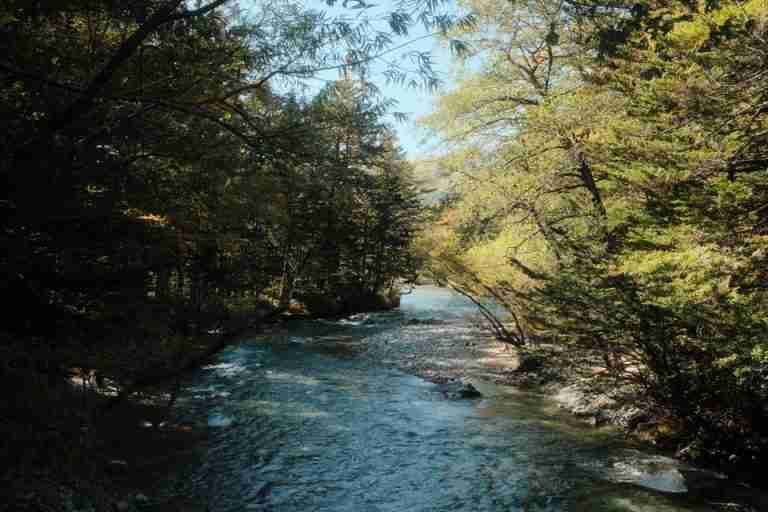
Exposure to natural environments engages the parasympathetic nervous system, promoting relaxation and reducing anxiety. Research from Stanford University highlights how a 90-minute walk in nature can lead to decreased activity in the subgenual prefrontal cortex, a brain region linked to depressive rumination. This suggests that regular engagement with nature not only alleviates stress but also contributes to improved mental health by mitigating negative thought patterns.
How to Prepare for Your First Forest Bathing Experience
Unlike hiking or other outdoor activities, forest bathing requires a slower, more deliberate approach. Leave your gadgets behind; this is a tech-free zone. Dress comfortably, in layers if necessary, to adapt to changing weather conditions. A good pair of walking shoes is essential, as is a small backpack for water and a light snack. Consider bringing a journal to jot down thoughts or sensations experienced during your time in nature, enhancing the reflective aspect of the practice.
Start by finding a suitable location. While vast forests are ideal, even a local park with dense greenery can suffice. Websites like AllTrails offer extensive information on trails and parks that can serve as potential forest bathing sites. Look for locations that offer a variety of natural features, such as water bodies or different types of vegetation, to enrich your experience.
Once at your chosen location, take a moment to stand still and breathe deeply. Let the forest's sights, sounds, and smells wash over you. Walk slowly, without a set destination or time frame. The goal is to be present, noticing the details: the texture of tree bark, the play of sunlight on leaves, the chorus of birds. This mindful engagement is where the magic happens. By allowing yourself to move at a leisurely pace, you create space for unexpected moments of beauty and insight.
Engaging All Your Senses in the Forest
Forest bathing is about immersing all five senses to fully experience the natural environment. Start with sight. Observe the subtle hues of green, the intricate patterns on leaves, or the way morning dew clings to a spider's web. Then, close your eyes and focus on the sounds—birds chirping, leaves rustling, a distant stream flowing. This auditory immersion can help quiet the mind and enhance focus.
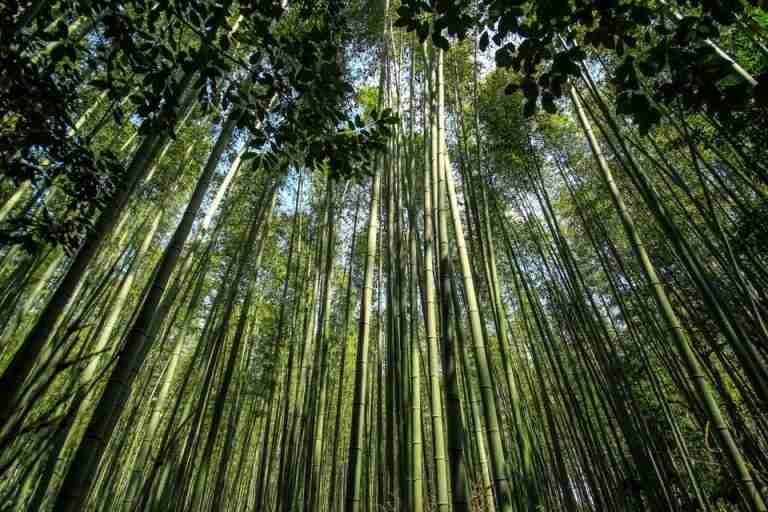
Touch is next. Feel the rough bark of a tree, the soft moss underfoot, or the cool breeze on your skin. Engaging in tactile experiences helps ground you, fostering a deeper connection to the environment. Taste might seem challenging, but a sip of fresh air or the aroma of a wildflower can be surprisingly refreshing. Lastly, scent—perhaps the most evocative sense—is ever-present in the forest. Inhale deeply, appreciating the complex mix of earth and vegetation. Each breath can act as a mini-meditation, centering and calming the mind.
The Role of Guided Forest Therapy
For those unsure where to start, guided forest therapy sessions can provide structure and insight. Certified guides, such as those from the Association of Nature and Forest Therapy, offer sessions designed to help participants deepen their connection with nature. These guides facilitate the experience by suggesting mindful activities and sharing ecological insights.
Guided sessions typically last two to three hours and involve a series of invitations or prompts to engage more deeply with the surroundings. Many find these sessions beneficial, as they provide a supportive environment to explore forest bathing's full potential without distraction or uncertainty. Participants often report feeling more at ease and open to the experience when guided by someone knowledgeable, allowing for a richer, more fulfilling encounter with nature.
The Broader Impact on Mental Health and Well-being
While the immediate effects of forest bathing include stress reduction and relaxation, the practice offers long-term mental health benefits as well. Regular immersion in nature has been linked to lower levels of depression, improved mood, and increased cognitive function. A study published in the American Journal of Public Health found that individuals living near green spaces had significantly better mental health outcomes compared to those in urban environments. This suggests that access to nature can play a critical role in mental health maintenance and prevention.
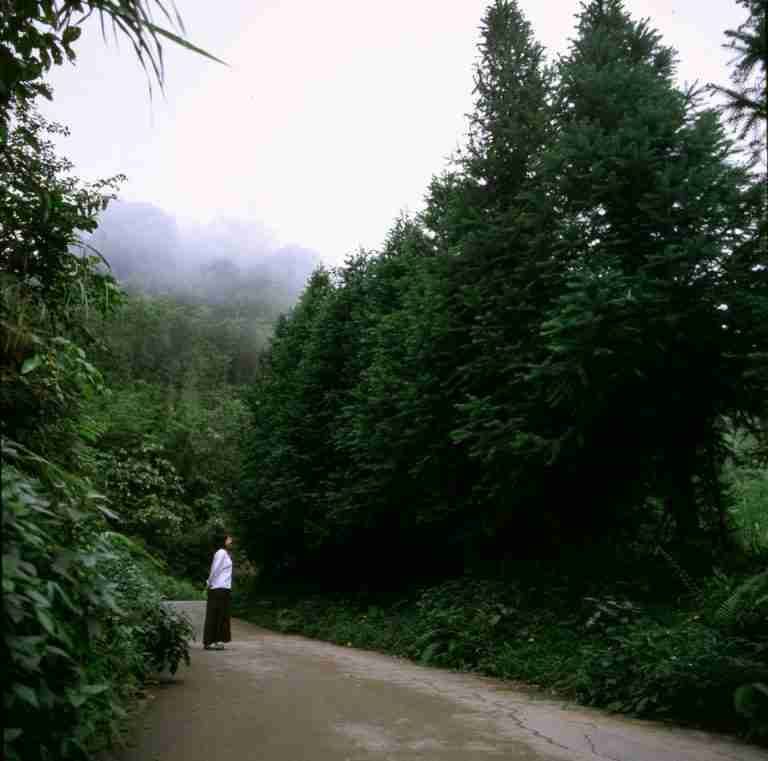
Forest bathing encourages a sense of awe and connection to something larger than oneself, fostering gratitude and a more positive outlook on life. This shift in perspective can be especially beneficial in today's fast-paced, often overwhelming world. By regularly engaging in forest bathing, you can cultivate a mindset that appreciates the small wonders of life, enhancing overall happiness and satisfaction.
Simple Steps to Incorporate Forest Bathing into Your Routine
Integrating forest bathing into your life doesn't require drastic changes. Start small. Dedicate a 30-minute session once a week to experience nature mindfully. Gradually increase the frequency or duration as you become more comfortable. Consider incorporating other practices that complement forest bathing, such as meditation or yoga, to enhance its benefits. For instance, practicing deep breathing exercises while forest bathing can amplify feelings of calm and relaxation, making each session more impactful.
For urban dwellers, even short visits to botanical gardens or city parks can provide a mini forest bathing experience. Apps like Calm offer nature soundscapes that can help recreate the forest atmosphere at home, providing a mental retreat when outdoor access is limited. These small steps can make a significant difference in how you manage stress and find calm in everyday life.
Opportunities for Community and Connection
Forest bathing isn't just a solo endeavor. Many communities offer group sessions that provide both social interaction and shared experiences. Joining a local hiking or nature group can help you connect with others who share a love for the outdoors. Websites like Meetup often list local forest bathing events, allowing you to explore new locations and techniques with like-minded individuals.
Engaging with a community can enhance the forest bathing experience, providing a sense of belonging and shared purpose. Whether you're seeking solitude or companionship, the forest welcomes all. Being part of a group can also offer support and motivation, encouraging you to maintain a regular forest bathing practice and explore new aspects of nature together.
Take Action Today for a Calmer Tomorrow
Forest bathing offers a simple yet profound way to reconnect with nature and find peace amidst the chaos. By immersing oneself in the tranquil beauty of the forest, stress diminishes, creativity flourishes, and a deeper sense of well-being emerges. The next time stress feels overwhelming, consider stepping into the nearest green space. Let the forest be a sanctuary—a natural antidote to the pressures of modern life. Start today, and experience the transformative power of nature firsthand.