The Surprising Benefits of Sitting in Silence for Just 10 Minutes a Day
Many find themselves constantly surrounded by noise—whether it's the hum of traffic, the chatter of colleagues, or the endless notifications on smartphones. It's no wonder people often feel overwhelmed and mentally fatig
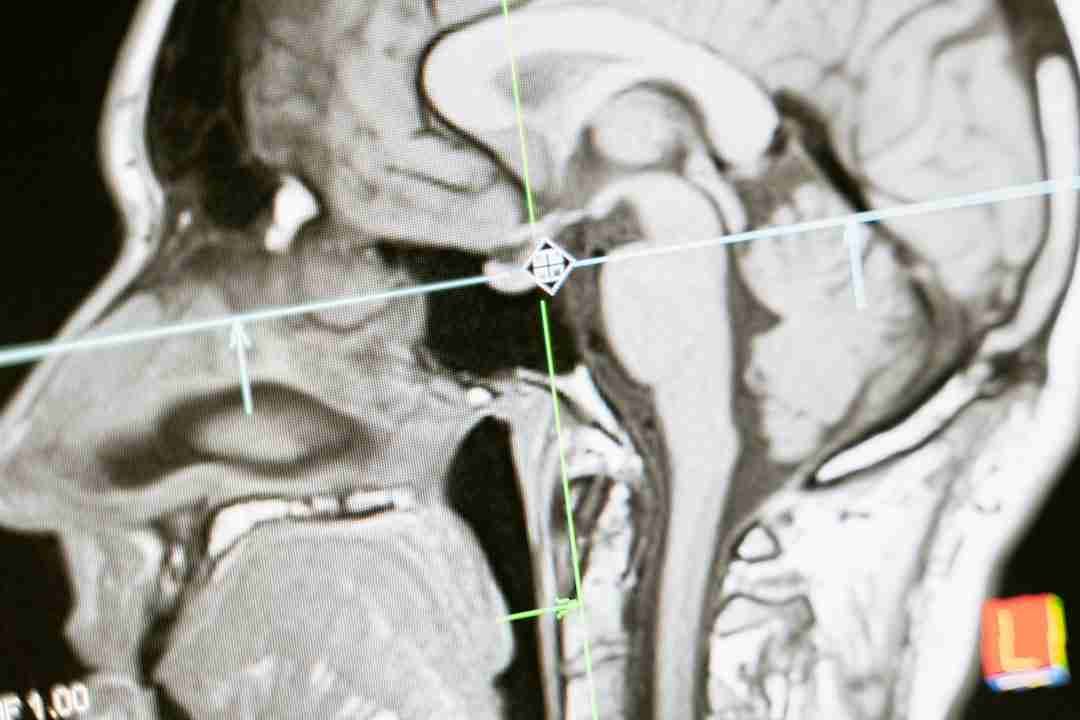
Many find themselves constantly surrounded by noise—whether it's the hum of traffic, the chatter of colleagues, or the endless notifications on smartphones. It's no wonder people often feel overwhelmed and mentally fatigued. But here's a surprising truth: sitting in silence for just 10 minutes a day can transform one's mental state, bringing a sense of peace and clarity that seems elusive in today's fast-paced world. Imagine starting or ending your day with a brief pause that refreshes the mind and rejuvenates the spirit. This simple practice can lead to profound benefits.
The Science Behind Silence: How 10 Minutes Can Rewire Your Brain
Research shows that silence isn't just the absence of noise; it's a powerful tool for brain health. A study conducted by Duke University found that two hours of silence daily led to the development of new cells in the hippocampus—the brain region associated with memory, emotion, and learning. While two hours might be ambitious, even short periods like 10 minutes can trigger positive neural changes.
Silence allows the brain to process information more effectively. When the constant barrage of stimuli is removed, the brain can relax and reorganize. This mental pause helps reduce stress and increase one's ability to focus. Neuroscientists suggest that these breaks in sound can help the brain regenerate, improving overall cognitive function. Imagine the clarity that can be achieved when the mind is given room to breathe, free from the constraints of noise pollution.
Explore the possibility of incorporating silence into environments that are traditionally noisy, such as workplaces or schools. For instance, some companies have introduced "silent meetings" to encourage deeper thinking and more productive discussions. These sessions demonstrate the versatility of silence as a tool for enhancing not just individual brain health, but also collective creativity and problem-solving.
Practical Tip: Schedule a daily 10-minute silent break using a tool like Google Calendar to ensure consistency.
Mindfulness in Silence: Techniques to Enhance Your Practice
Mindfulness is the practice of being present and fully engaged with the current moment, free from distraction or judgment. When paired with silence, mindfulness can become even more potent. To begin, find a comfortable spot where interruptions are minimal. Close your eyes and focus on your breathing. Notice the sensation of air entering and leaving your nostrils, and let thoughts drift without engagement.

Consider using a timer to keep track of your 10 minutes. Apps like Insight Timer offer guided meditations and silent timer options to enhance the experience. The goal is to cultivate an awareness of the present moment, letting go of past and future concerns. This practice not only enhances mental clarity but also improves emotional regulation, making it easier to navigate daily stresses.
For those who find it challenging to maintain focus, try incorporating a simple mantra or affirmation. Repeating a phrase like "I am present" can anchor your mind, preventing it from wandering. Over time, these mindfulness techniques can transform silence from a mere absence of sound into a deeply enriching experience.
Practical Tip: Experiment with different times of day to find when silence benefits you most—morning, midday, or evening.
Silence as a Stress Reliever: Lower Cortisol Levels Naturally
Stress is an unavoidable part of life, but silence can be a natural antidote. Studies indicate that quiet time can significantly reduce cortisol levels, the hormone responsible for stress. High cortisol levels over time can lead to various health issues, including anxiety, depression, and heart disease.
By dedicating just 10 minutes a day to silence, the body can enter a state of relaxation, lowering cortisol production. This practice can become a cornerstone of stress management, helping to maintain a balanced emotional state. Consider how silence can be integrated into stressful environments, such as creating silent zones in workplaces or schools, where individuals can retreat for a moment of respite.
To deepen the stress-relieving effects, consider pairing silence with simple breathing exercises. Techniques such as the 4-7-8 breathing method can enhance relaxation and further decrease cortisol levels, maximizing the benefits of your silent practice.
Practical Takeaway: Notice how your body feels before and after your silent session to track changes in stress levels.
Boosting Creativity: Silence as a Catalyst for Innovation
Many creative individuals attribute their best ideas to moments of solitude and silence. The absence of external noise allows the mind to wander freely, fostering creativity. When the brain isn't occupied with processing external stimuli, it can explore new ideas and connections.

This isn't always straightforward, especially for those accustomed to a constant flow of information. But by committing to regular silent sessions, you give your brain the space it needs to innovate. Consider the story of Beethoven, who often took long, silent walks that inspired his compositions. Similarly, the writer J.K. Rowling has spoken about the valuable role that quiet contemplation played in the creation of her renowned Harry Potter series.
Incorporate silence into your creative processes by setting aside "silent brainstorming" sessions. Use this time to sketch, write, or simply let your thoughts flow without the pressure of immediate productivity. Over time, you may find that silence not only sparks innovation but also enhances the quality of your creative output.
Practical Tip: Keep a notebook handy to jot down any creative thoughts or ideas that emerge during or after your silent time.
Improving Emotional Health: Silence as a Path to Inner Peace
Emotional health is just as important as physical health. Sitting in silence can help individuals process their emotions, providing a space for reflection and introspection. This practice allows one to acknowledge feelings without judgment, leading to greater emotional resilience.
By observing thoughts and emotions in silence, you can gain insights into your emotional patterns and triggers. This understanding can lead to more balanced reactions to life's challenges. Over time, many find themselves more at peace, with a clearer understanding of their emotional needs. Consider how silence can be a tool for emotional healing, giving room for self-compassion and acceptance to flourish.
For those seeking to deepen their emotional awareness, consider combining silence with journaling. After a silent session, take a few minutes to write down any emotions or insights that surfaced. This practice can provide clarity and track emotional growth over time.
Practical Takeaway: Use a resource like Headspace for guided support in developing emotional awareness through silent mindfulness.
Finding Clarity: Decision-Making Becomes Easier
In a world full of decisions, finding clarity can be daunting. Silence provides the mental space needed to weigh options and consider outcomes without external influence. This clarity often leads to more confident decision-making.

When faced with a difficult choice, try sitting in silence with the question at hand. Focus on the various aspects of the decision, allowing the mind to explore each without pressure. This process can lead to insights that might not emerge in a noisy environment. Reflect on historical figures known for their decisive actions, many of whom valued solitude as a means of reaching clarity and wisdom.
To enhance decision-making, consider coupling silence with visualization techniques. Picture the outcomes of different choices, allowing your intuition to guide the process. This method can bring additional clarity and assurance to your decision-making.
Practical Tip: Dedicate one silent session a week to reflect on upcoming decisions, allowing room for clarity to develop.
Creating a Consistent Practice: Building Your Silent Routine
Starting a new habit can be challenging, but consistency is key. To integrate silence into daily life, begin with a commitment to a specific time each day. Tailor the environment to suit your needs, whether it's a quiet room at home or a peaceful spot in nature.
Consider using technology to support your routine. Set reminders on your phone or use an app like Calm to signal when it's time for silence. Over time, this practice can become as natural as brushing your teeth, a daily ritual that supports mental well-being. Think about how silence can be a communal practice, perhaps involving family or friends in shared silent sessions to strengthen bonds and mutual understanding.
To maintain motivation and track progress, consider keeping a silence journal. Document the effects of your practice on mood, stress levels, and creativity, allowing you to see tangible benefits and stay committed to your routine.
Practical Takeaway: Track your progress and observe changes in mood, stress levels, and creativity over time to stay motivated.
A Final Word: Embrace the Silence Today
The benefits of sitting in silence for just 10 minutes a day are both surprising and powerful. From boosting creativity and improving emotional health to reducing stress and enhancing decision-making, this simple practice holds the key to a more mindful and balanced life. Start today by carving out a quiet moment for yourself. The transformation is just a breath away.