The Surprising Perks of Cooking With Coconut Oil Every Week
Imagine reaching for a jar of coconut oil in the kitchen and transforming not just your meals, but your entire approach to cooking. Many home cooks are discovering coconut oil's unique properties, not just for its distin

Imagine reaching for a jar of coconut oil in the kitchen and transforming not just your meals, but your entire approach to cooking. Many home cooks are discovering coconut oil's unique properties, not just for its distinctive flavor, but for the surprising array of benefits it offers. From improving heart health to enhancing digestion, this humble oil can be a game-changer. But why exactly should you consider making coconut oil a staple in your weekly cooking?
Boosting Heart Health with Medium-Chain Triglycerides
Coconut oil is rich in medium-chain triglycerides (MCTs), a type of fat that has been shown to offer several health benefits. Unlike long-chain triglycerides found in most other fats, MCTs are metabolized differently. They go straight to the liver, where they are used as a quick source of energy or turned into ketones, which can have therapeutic effects on the brain. Research indicates that MCTs can help increase "good" HDL cholesterol levels while reducing "bad" LDL cholesterol, potentially lowering the risk of heart disease. Including coconut oil in your diet could be a delicious way to support cardiovascular health.
Here's a practical takeaway: Start by replacing butter or margarine with coconut oil in your baking. It's a simple swap that could make a significant difference to your heart health over time. This switch is not only beneficial for baked goods but can also be applied to cooking methods such as frying or sautéing. For instance, using coconut oil to fry eggs or vegetables can infuse your meals with health benefits while maintaining a delightful taste.
Enhancing Digestion and Nutrient Absorption
Digestive health is another area where coconut oil can make a noticeable impact. The MCTs in coconut oil are known to have antimicrobial properties, which can help combat harmful bacteria, fungi, and parasites in the gut. This can lead to improved digestion and nutrient absorption. Additionally, coconut oil can aid in the absorption of fat-soluble vitamins such as A, D, E, and K, making your meals not just tastier but also more nutritionally beneficial.
Consider this: Using coconut oil as a cooking medium for vegetables can enhance their nutritional profile. Sautéing spinach or kale in coconut oil, for example, can help your body absorb more of the vitamins these greens offer. You might also try roasting root vegetables like carrots and sweet potatoes with coconut oil for a nutritious and flavorful side dish. The oil’s properties not only intensify the taste but also ensure that your body takes full advantage of the nutrients present in these foods.
Supporting Weight Management with Appetite Suppression
Weight management can be a challenging goal, but coconut oil might offer some assistance. Studies suggest that MCTs can increase the feeling of fullness, leading to a reduced calorie intake. A study published in The Journal of Nutrition found that participants who consumed MCTs at breakfast ate significantly less at lunch compared to those who consumed long-chain triglycerides. This effect might help in managing weight more effectively when combined with a balanced diet and regular exercise.
To harness this benefit, try adding a tablespoon of coconut oil to your morning coffee or smoothie. This could help curb mid-morning hunger pangs and keep you satisfied until lunch. For those who enjoy a varied breakfast, incorporating coconut oil into oatmeal or drizzling it over fruit salad can provide a satisfying start to the day and help regulate your appetite.
Improving Skin and Hair Health from the Inside Out
Coconut oil is not only beneficial when consumed; it also has positive effects on skin and hair health. The oil's natural moisturizing properties can help improve skin hydration and elasticity, and its fatty acids can reduce inflammation. When ingested, these benefits extend to nourishing your skin and hair from within. Some people find that regular consumption of coconut oil leads to softer skin and shinier hair.

For a dual benefit, consider using coconut oil both as a dietary supplement and a topical treatment. Consuming it regularly can support your skin and hair health internally, while applying it externally can enhance these effects. For example, using coconut oil as a hair mask or skin moisturizer can provide immediate topical benefits, complementing the long-term effects derived from dietary intake.
Cooking Versatility: High Smoke Point and Flavor Profile
Coconut oil's high smoke point of around 350°F (177°C) makes it an excellent choice for a variety of cooking methods, including frying, sautéing, and baking. Its subtle, sweet flavor can complement both sweet and savory dishes. Whether you're whipping up a batch of cookies or frying chicken, coconut oil can add a unique taste that enriches your dishes.
Try this: Use coconut oil to pop popcorn for a flavorful and healthier snack option. The oil's natural sweetness pairs perfectly with the popcorn, offering a delightful twist on a classic treat. For a savory kick, consider adding a pinch of sea salt or a sprinkle of nutritional yeast, creating a snack that is both satisfying and nutritious.
Choosing the Right Type: Virgin vs. Refined
Not all coconut oils are created equal. Virgin coconut oil is extracted from the fresh meat of mature coconuts without the use of high temperatures or chemicals, preserving its natural nutrients and flavor. Refined coconut oil, on the other hand, undergoes a refining process that removes impurities and the coconut flavor, making it more versatile for cooking but slightly less nutritious.
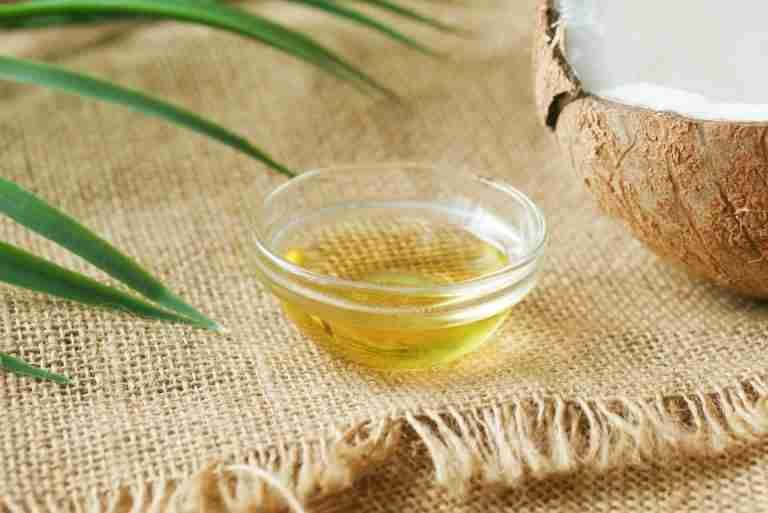
Experts suggest opting for virgin coconut oil when possible, as it retains more of the beneficial properties. However, if you're preparing dishes where the coconut flavor might be overpowering, refined coconut oil can be a suitable alternative. It's worth experimenting with both types to see which one aligns best with your culinary preferences and needs.
Practical Tips for Incorporating Coconut Oil into Your Diet
Adding coconut oil to your weekly cooking routine doesn't have to be complicated. Here are some practical tips to get started:
-
Start Small: Introduce coconut oil gradually, beginning with one tablespoon per day and increasing as desired.
-
Mix with Other Oils: If you're not a fan of the strong coconut flavor, blend it with olive or avocado oil for a more balanced taste.
-
Use in Baking: Swap butter or vegetable oil for coconut oil in recipes like muffins, pancakes, and banana bread.
-
Stir into Beverages: Add a teaspoon of coconut oil to coffee or tea for an energy boost and creamy texture.
-
Dress Your Salad: Mix coconut oil with vinegar or lemon juice for a simple, healthy salad dressing.
-
Incorporate into Soups and Stews: Adding a spoonful of coconut oil to soups or stews can enhance the flavor and nutritional content, making your meals richer and more satisfying.
By integrating these methods, you can enjoy the benefits of coconut oil without overwhelming your palate.
The Cost and Where to Buy
Coconut oil is widely available and affordable. A jar typically costs around $10 to $20, depending on the brand and whether it's virgin or refined. It's available in most grocery stores, health food stores, and online retailers. Popular brands include Nutiva and Viva Naturals, both known for their high-quality coconut oil products.
When purchasing, look for organic and non-GMO labels to ensure you're getting the best quality oil. This ensures that the product is free from harmful additives and chemicals. For those interested in sustainability, some brands offer fair-trade coconut oil, providing an ethical choice that supports responsible sourcing.
Taking Action: Start Today
The reality is, incorporating coconut oil into your weekly cooking routine can lead to a range of health benefits and culinary delights. Whether you're looking to improve heart health, enhance digestion, manage weight, or simply enjoy a versatile cooking oil, coconut oil offers a practical solution. By taking small steps and experimenting with different recipes, you can discover how this oil can enrich your meals and your health.
So why not start today? Pick up a jar of coconut oil on your next grocery trip and see how it can transform your cooking and well-being.