Unwinding with Nature: A Weekend Retreat for Mental Clarity
Imagine this: stepping out of your busy life for just a weekend and immersing yourself in the soothing embrace of nature. The chirping of birds replaces the constant notifications from your phone, the rustle of leaves un
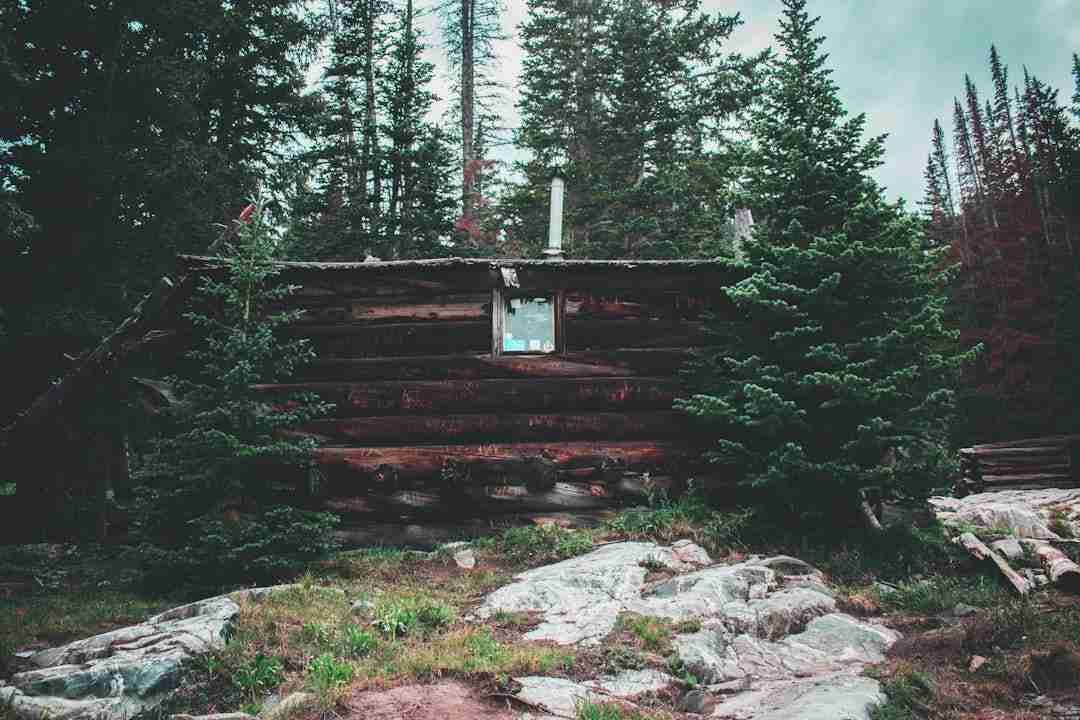
Imagine this: stepping out of your busy life for just a weekend and immersing yourself in the soothing embrace of nature. The chirping of birds replaces the constant notifications from your phone, the rustle of leaves underfoot takes over the clatter of keyboards, and the cool breeze becomes your new favorite soundtrack. It's not just a fantasy. For many, it's a necessary retreat to regain mental clarity and rejuvenate the mind. Nature retreats offer a sanctuary from the digital noise and constant pressures of modern life, providing a unique opportunity to reset and recharge.
Reclaiming Your Peace: The Power of a 48-Hour Nature Break
Taking a weekend away might seem like a small change, but it can have a profound impact on mental well-being. Researchers from the University of Michigan found that spending just 20 minutes in a natural setting can significantly reduce stress hormone levels. Imagine what 48 hours could do. A nature retreat offers more than just a break; it provides a reset. By disconnecting from daily responsibilities, you're giving your mind the chance to unwind and refocus.
It's about simplicity and presence. Whether it's a cabin in the woods, a yurt in a meadow, or a tent by a tranquil lake, the focus is on being present. Many find that engaging in activities like hiking, meditating by a stream, or simply observing wildlife can bring a sense of peace that feels elusive in everyday life. The key is to allow yourself to be present without the distractions of screens or schedules.
Consider trying mindful walking as a way to enhance your experience. Focus on the sensations of each step, the feel of the ground underfoot, and the rhythm of your breath. This simple act can deepen your connection to the environment and enhance the restorative effects of your retreat.
Affordable Escapes: Budget-Friendly Retreat Options
The notion of a retreat often conjures images of expensive spa resorts or exclusive lodges, but it doesn't have to be that way. In fact, a nature retreat can be surprisingly affordable. National parks, state parks, and designated natural reserves offer numerous options for camping, often at a fraction of the cost of a hotel. For example, a campsite at Yosemite National Park can be secured for as little as $26 per night.
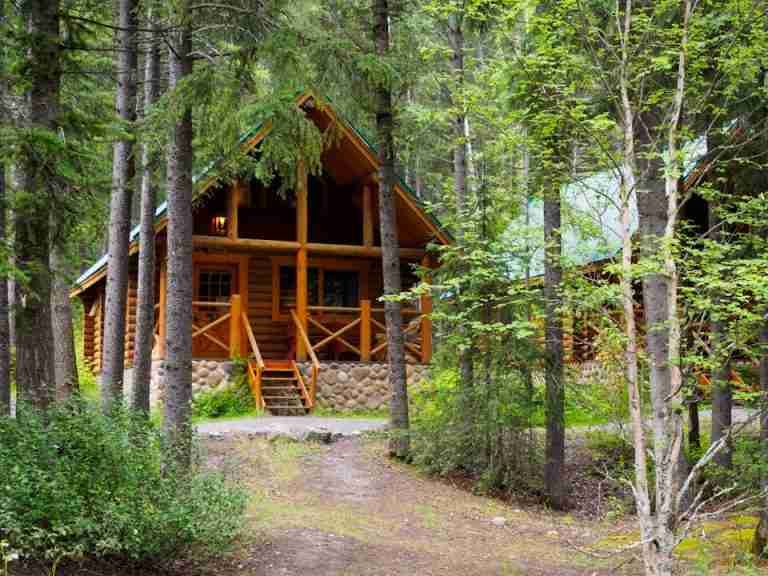
Beyond camping, there are also budget-friendly cabins or yurts available through platforms like Airbnb or local vacation rental sites. These options allow you to enjoy the comforts of a bed and basic amenities while still being close to nature. Another cost-effective option is group retreats. Joining a group can often decrease costs and increase access to guided activities, enriching the overall experience.
For those looking to save even more, consider exploring lesser-known parks or nature reserves. These locations often offer lower fees and fewer crowds, allowing for a more intimate experience with nature. Packing your own meals and supplies can further reduce costs and allow you to enjoy a more personalized retreat.
Digital Detox: Unplugging for Mental Clarity
One of the most compelling aspects of a nature retreat is the opportunity to disconnect from technology. Studies have shown that constant exposure to digital screens can lead to increased stress and fatigue, often referred to as "digital burnout." A weekend in nature provides a chance to unplug and engage in a digital detox, which can lead to improved concentration and mood.
The reality is, disconnecting isn't always straightforward. Many feel anxious at the thought of being unreachable. But the benefits of a temporary digital detox are well-documented. Experts suggest setting an intention before the retreat to limit or eliminate the use of devices. Consider using this time to engage in activities that don't require technology, like journaling, sketching, or simply reflecting. Apps like Forest can help manage phone use by rewarding time spent away from the screen, even when you're back in the digital world.
To ease the transition, try setting specific "tech-free" hours during your retreat. Use this time to fully immerse yourself in the natural surroundings, enhancing the detox experience. Reflect on the difference in how you feel without constant digital interruptions.
Guided Retreats: The Role of Facilitators
For those who prefer structure, guided nature retreats offer an organized way to experience the benefits of the great outdoors. These retreats often include activities such as guided hikes, yoga sessions, and meditation workshops. Facilitators, often trained in mindfulness and outdoor education, provide guidance and support, helping participants to fully immerse themselves in the experience.

Guided retreats can be particularly beneficial for those new to the concept of mindfulness or meditation. They offer a supportive environment and the opportunity to learn new skills that can be applied after the retreat. Look for reputable providers like Kripalu, which offers a range of programs focused on wellness and personal growth.
Consider engaging in a silent retreat for a deeper, more introspective experience. Silence can amplify the connection to nature, allowing for a more profound personal journey. Facilitators can help guide this experience, ensuring participants feel supported and comfortable throughout.
Tailoring the Experience: Choosing the Right Retreat
Not all nature retreats are created equal. Choosing the right one depends on personal preferences and goals. For some, a solitary retreat in a remote location might be ideal, providing the silence and solitude needed to reflect. For others, a group setting with shared experiences and community might be more fulfilling.
Consider the location and the type of environment that appeals most. Mountains, forests, beaches, and deserts each offer unique experiences and benefits. The activities available should also align with personal interests. Whether it's hiking, bird watching, or practicing yoga, the key is to choose a retreat that resonates with personal desires and goals.
Look into retreats that offer specialized programs, such as photography workshops for nature enthusiasts or creative writing sessions for those looking to tap into their creative side. These tailored experiences can provide additional layers of enrichment and enjoyment.
The Science of Nature Therapy: Why It Works
Why does nature have such a profound effect on the mind? The answer lies in the concept of "biophilia," which suggests an inherent human affinity for the natural world. This connection can lead to reduced stress, improved mood, and increased creativity. Research from Stanford University indicates that walking in nature can decrease negative thoughts and improve overall mental health.
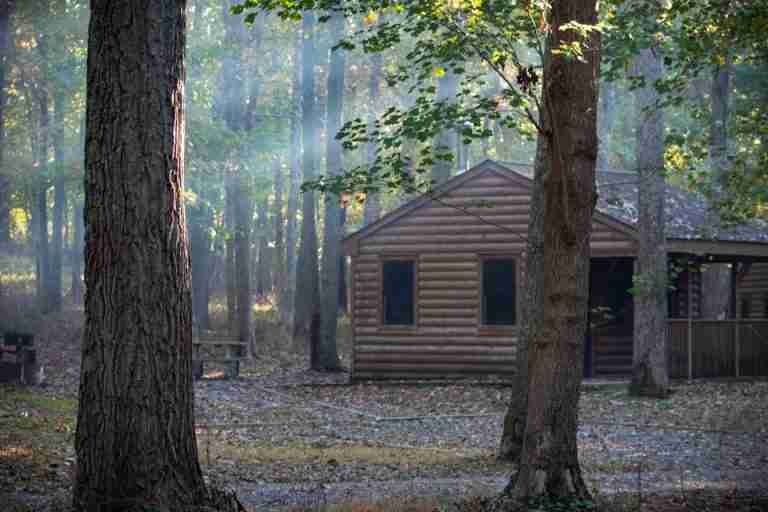
Nature therapy, or ecotherapy, is gaining recognition as a legitimate therapeutic practice. It leverages the calming effects of nature to promote healing and well-being. Engaging with nature, whether through a quiet walk or simply sitting under a tree and watching the leaves sway, can increase mindfulness and promote a sense of peace.
Consider incorporating forest bathing, or "shinrin-yoku," into your retreat. This practice, originating in Japan, involves immersing yourself in a forest environment to absorb its calming and rejuvenating effects. Studies have shown that forest bathing can lower heart rate and blood pressure, reduce stress hormone production, and boost the immune system.
Bringing the Retreat Home: Sustaining Mental Clarity
Returning from a nature retreat often brings a sense of renewal. But maintaining that mental clarity once back in daily life can be challenging. To sustain these benefits, consider incorporating elements of the retreat into everyday routines. This might involve regular walks in local parks, practicing mindfulness or meditation at home, or simply taking a few moments each day to disconnect from technology.
Creating a nature-inspired space at home can also help maintain the retreat's benefits. Use natural elements like plants, stones, or water features to bring a piece of nature indoors. Apps like Calm offer guided meditations and nature sounds that can help recreate the calming atmosphere of a retreat.
Engage in practices such as gratitude journaling to reinforce the positive effects of your retreat. Each day, write down a few things you are grateful for, especially those related to nature and the sense of peace it brings. This simple act can help keep the retreat experience alive in your daily life.
Starting Today: Simple Steps for a Nature-Inspired Reset
There's no need to wait for a weekend getaway to start experiencing the benefits of nature. Begin with small, intentional changes that can be implemented immediately. Take a short walk in a nearby park, leave the phone behind during lunch breaks, or spend a few minutes each day simply observing nature's beauty.
The power of nature is undeniable. A weekend retreat can provide the reset needed for mental clarity, but integrating nature into daily life ensures those benefits are long-lasting. Start today with small steps, and let nature's tranquility guide the journey to a clearer, more focused mind.