What Your Late-Night Snacking Says About Your Nutritional Health
Imagine this: it's past midnight, and the refrigerator door casts a cool light across the kitchen. You're standing there, contemplating a late-night snack. It could be a slice of leftover pizza, a handful of chips, or pe

Imagine this: it's past midnight, and the refrigerator door casts a cool light across the kitchen. You're standing there, contemplating a late-night snack. It could be a slice of leftover pizza, a handful of chips, or perhaps something sweet like a slice of cake. But have you ever stopped to think about what these choices reveal about your nutritional health? Late-night snacking isn't just about satisfying hunger; it's a window into your dietary habits and overall health.
The Midnight Cravings: What They Mean
Late-night snacks can be a response to various triggers, not just hunger. Stress, boredom, or even certain nutritional deficiencies can play a significant role. Craving something salty might indicate a need for minerals like sodium or magnesium. On the other hand, a sudden desire for sweets could be linked to fluctuating blood sugar levels or even an emotional need for comfort.
Studies suggest that consistently opting for high-carb, sugary snacks late at night might be a sign of insulin resistance or unbalanced blood sugar levels. This pattern can lead to a vicious cycle of cravings and energy spikes and crashes. It's essential to listen to these cravings as they can offer insights into potential nutritional gaps or emotional triggers that need addressing.
Takeaway: Consider keeping a food journal to note your cravings and the situations surrounding them. This practice can help identify patterns and triggers, enabling more mindful choices.
The Nutritional Impact of Midnight Munchies
The timing of food intake can have a significant impact on metabolism and overall health. Consuming heavy meals or snacks high in sugar and fat late at night can disrupt sleep patterns and interfere with the body's ability to process glucose effectively. Research shows that eating late at night can lead to weight gain, increased risk of heart disease, and impaired glucose tolerance.
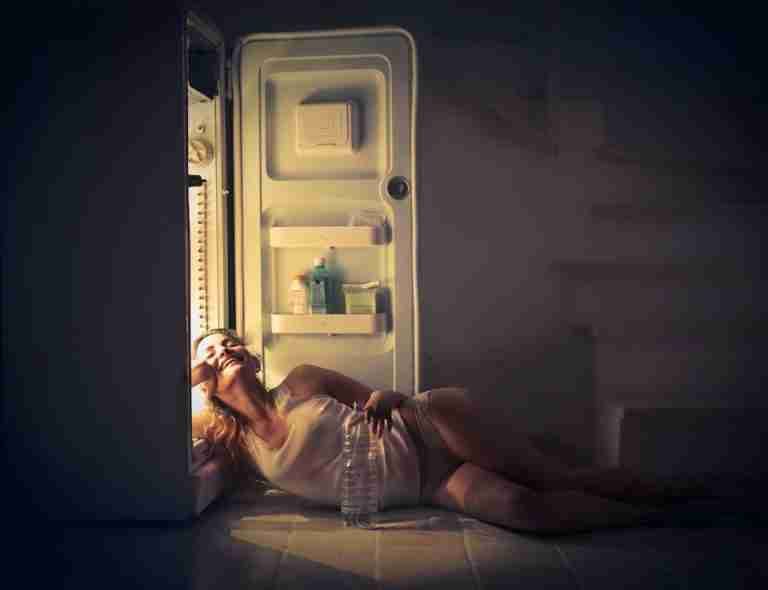
The body's natural circadian rhythms dictate that nighttime is for rest and repair, not digestion. When the digestive system is forced to work overtime, it can lead to indigestion and poor sleep quality. This disruption can result in a cycle of fatigue and further poor dietary choices the following day.
Takeaway: Aim for a balanced, nutrient-dense dinner to reduce the likelihood of late-night hunger. If snacking is necessary, choose options like a small bowl of Greek yogurt or a handful of nuts for a healthier alternative.
Psychological Triggers Behind Late-Night Eating
For many, late-night snacking is less about hunger and more about emotional comfort. Stress, anxiety, or even loneliness can prompt a reach for the pantry. In fact, emotional eating is a well-documented phenomenon where food is used as a coping mechanism for emotional distress.
This behavior can become habitual, making it difficult to distinguish between true hunger and emotional hunger. It's crucial to address the underlying emotional triggers rather than relying on food as a temporary solution. Techniques such as mindfulness, meditation, or even seeking professional help can provide more sustainable coping strategies.
Takeaway: If emotional eating is a concern, try integrating relaxation techniques into your evening routine. Simple practices like deep breathing or a short meditation session can reduce stress and curb the impulse to snack.
Healthy Alternatives: What to Reach for Instead
When late-night hunger strikes, reaching for healthier options can make a difference. Selecting snacks that are high in protein and fiber can help satisfy hunger without the negative side effects associated with sugar-laden or high-fat foods. For example, a small serving of cottage cheese with berries provides both protein and antioxidants, making it a smart choice.

Another option is a warm cup of herbal tea with a slice of whole-grain toast topped with avocado. This combination offers healthy fats and carbohydrates, promoting satiety and better sleep. It's important to keep portion sizes in check, as overeating any food, healthy or not, can still lead to weight gain.
For those who enjoy a crunchy texture, a mix of raw vegetables like carrot sticks, cucumber slices, and bell pepper strips paired with hummus can be both satisfying and nutritious. These snacks provide fiber, vitamins, and minerals, contributing to a balanced diet.
Takeaway: Stock your kitchen with healthy snack options that are easy to grab in moments of need. This preparation can help prevent impulsive, unhealthy choices.
The Role of Sleep: A Surprising Influence
Sleep and diet are closely linked, with each influencing the other significantly. Poor sleep quality can lead to increased hunger and cravings, particularly for high-calorie, carbohydrate-rich foods. This is due to the impact of sleep on hunger-regulating hormones like ghrelin and leptin.
Research highlights that those who experience sleep deprivation often consume more calories and have a higher preference for unhealthy snacks. Therefore, addressing sleep hygiene can play a critical role in reducing late-night snacking and improving overall dietary habits.
Takeaway: Focus on establishing a consistent sleep routine. Aim for 7-9 hours of quality sleep per night to help regulate hunger hormones and reduce late-night cravings.
Making Changes: Practical Steps for a Healthier Routine
Breaking the cycle of late-night snacking requires a holistic approach. Start by examining your daytime eating habits. Are meals balanced and satisfying? Skipping meals or not consuming enough during the day can lead to increased hunger at night. Ensuring adequate intake of protein, fiber, and healthy fats throughout the day can reduce the need for nighttime snacks.
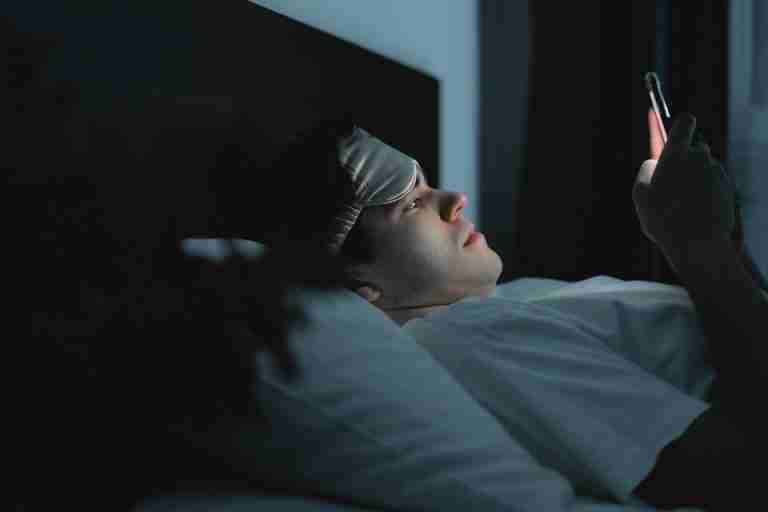
It's also beneficial to establish a nighttime routine that signals the body it's time for rest. This could include activities like reading, taking a warm bath, or practicing gentle yoga. Creating a calming environment can help reduce stress and the urge to snack.
Consider setting a "kitchen curfew" to encourage a routine that aligns with your body's natural rhythms. This could be a specific time in the evening where you stop eating, allowing your body to prepare for rest and recovery.
Takeaway: Evaluate your daily nutritional intake and evening routine. Implement small changes gradually to build sustainable habits that support overall health.
Resources to Support Healthier Habits
There are numerous tools and resources available to help manage late-night snacking. Apps like MyFitnessPal can assist in tracking food intake and identifying patterns. Additionally, Headspace offers guided meditation sessions aimed at reducing stress and emotional eating triggers.
For those looking to improve sleep quality, Calm provides sleep stories and relaxation techniques to aid in creating a restful nighttime routine.
Exploring nutritional counseling or therapy can also be beneficial. Professionals can offer personalized advice and strategies to address specific challenges related to diet and emotional health.
Takeaway: Utilize technology and resources to support your journey towards healthier habits. These tools can offer guidance and motivation to stay on track.
It's clear that late-night snacking is more than just a simple habit. It reflects a complex interplay of nutritional needs, emotional states, and lifestyle habits. By understanding the underlying factors and making informed choices, it's possible to foster a healthier relationship with food and improve overall well-being. Today, consider taking one small step towards addressing your late-night snacking habits—your body and mind will thank you.