When a Constant Headache Could Mean Something More Serious
For many, headaches are an occasional nuisance. But imagine dealing with a headache so persistent and unrelenting that it begins to feel like a constant companion. What if this headache is trying to tell you something mo

For many, headaches are an occasional nuisance. But imagine dealing with a headache so persistent and unrelenting that it begins to feel like a constant companion. What if this headache is trying to tell you something more? It's easy to dismiss frequent headaches as stress or dehydration. Yet, sometimes, a headache can signal a more serious condition. Understanding the symptoms can be indispensable in determining when it's time to seek professional help.
Recognizing Red Flag Symptoms That Accompany Headaches
One headache isn't the same as another. Migraines, tension headaches, and cluster headaches all have distinct characteristics. But when should a headache raise alarm bells? If your headaches are accompanied by symptoms such as sudden onset, confusion, fainting, or vision changes, it may be time to pay closer attention.
A sudden, severe headache—often described as a "thunderclap headache"—can be a sign of a medical emergency like a brain aneurysm. This type of headache reaches its peak intensity within seconds and is unlike any headache you've experienced before. Additionally, headaches that come with neurological symptoms such as difficulty speaking, numbness, weakness on one side of the body, or changes in vision may indicate a stroke or other significant neurological issue.
In practice, it's wise to observe any patterns or changes in your headache experiences. For example, a headache that disrupts daily activities or sleep should not be ignored. Keeping a detailed headache diary can help you and your healthcare provider identify any concerning trends or triggers, providing a clearer picture of your condition.
When Persistent Headaches Might Indicate a Brain Tumor
It’s a common fear that a headache could signal a brain tumor. While this is rare, it's not impossible. Brain tumors can cause headaches that are persistent and gradually worsen over time. These headaches may be accompanied by nausea, vomiting, or neurological deficits like difficulty walking or seizures.

The location of the tumor in the brain can affect the symptoms experienced. For instance, a tumor pressing on the area of the brain responsible for vision might cause changes in eyesight. If a headache is persistent and comes with neurological changes or the symptoms mentioned above, consulting a healthcare professional for imaging tests like an MRI or CT scan could be a prudent step.
Understanding the specific symptoms associated with brain tumors can guide you in seeking timely medical intervention. For example, frequent episodes of unexplained vomiting or a noticeable change in motor skills should prompt immediate medical consultation. Early detection and treatment are vital for better outcomes.
Identifying Symptoms of Giant Cell Arteritis in Over-50s
For those over the age of 50, a condition called giant cell arteritis (GCA) can also be a cause of concern. GCA is an inflammation of the blood vessels, usually in the temples, and can cause severe headaches. Other symptoms include jaw pain when chewing, scalp tenderness, and sometimes, vision problems.
The risk of vision loss makes early diagnosis and treatment essential. A blood test called the erythrocyte sedimentation rate (ESR) can help in diagnosing this condition. If GCA is suspected, a doctor may also recommend a temporal artery biopsy to confirm the diagnosis. Prompt treatment with corticosteroids can help prevent serious complications.
Being aware of these symptoms can empower you to seek medical advice before complications arise. Regular check-ups and discussions with your healthcare provider about any new symptoms can be beneficial in managing or preventing the progression of GCA.
Evaluating the Impact of Chronic Sinusitis on Headaches
Sinus headaches are often mistaken for migraines, but they have distinctive symptoms due to inflamed sinuses. A sinus headache usually comes with pressure around the eyes, cheeks, and forehead, and can worsen with sudden movement or bending over. Chronic sinusitis, which lasts more than 12 weeks, can lead to persistent headaches.

To manage sinus-related headaches, treating the underlying sinusitis is key. This can involve medications such as nasal corticosteroids, saline nasal irrigation, or in some cases, antibiotics. Humidifiers and staying well-hydrated can also help alleviate symptoms. Seeking an ENT specialist's opinion might be necessary if symptoms persist.
Practical lifestyle adjustments, such as avoiding known allergens or using air purifiers, can also reduce the frequency of sinus headaches. Simple daily practices, like using a saline nasal spray, can significantly improve your sinus health and, consequently, reduce headache occurrences.
The Connection Between Hypertension and Headaches
High blood pressure, or hypertension, is often dubbed the "silent killer" because it typically has no symptoms. However, in some cases, severe hypertension can cause headaches, which are usually throbbing and located at the back of the head. These headaches may be accompanied by symptoms such as dizziness, blurred vision, or nosebleeds.
Monitoring blood pressure regularly and maintaining it within a healthy range can prevent complications. If high blood pressure is suspected to cause headaches, lifestyle changes such as diet and exercise, along with medications prescribed by a healthcare provider, can help manage the condition.
Incorporating regular physical activity and a balanced diet rich in fruits, vegetables, and whole grains can support cardiovascular health and help manage hypertension. Stress management techniques, such as deep breathing exercises or progressive muscle relaxation, can also be beneficial in controlling blood pressure levels.
When to Consider a Cervicogenic Headache
Sometimes, headaches don't originate in the head at all. Cervicogenic headaches, for instance, are caused by issues in the neck. These headaches are often unilateral (on one side of the head) and can be accompanied by neck pain and stiffness. Activities that involve neck movement can exacerbate the pain.
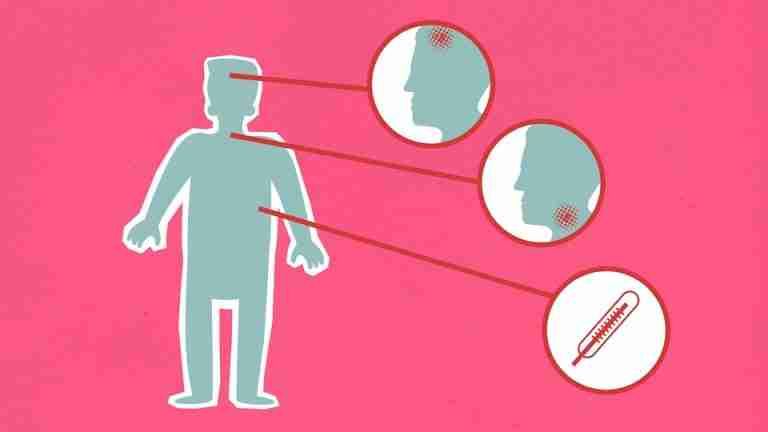
Physical therapy, chiropractic adjustments, or posture corrections can provide relief for cervicogenic headaches. A healthcare provider might recommend imaging studies to rule out other causes and confirm the diagnosis. Once identified, targeted treatment can significantly improve quality of life.
Ergonomic adjustments at your workstation, such as using a chair with good lumbar support or positioning your computer screen at eye level, can prevent neck strain and reduce the occurrence of cervicogenic headaches. Being mindful of your posture during everyday activities can also play a crucial role in managing these headaches.
Seeking Medical Advice: When Is It Time?
Deciding when to see a doctor for a headache can be tricky. However, certain guidelines can help. If headaches are frequent, severe, or accompanied by alarming symptoms such as those described earlier, it's wise to seek medical advice. Persistent headaches that don't respond to typical treatments like over-the-counter pain relievers also warrant a professional evaluation.
Chronic headaches can sometimes be managed with lifestyle adjustments, such as regular sleep, hydration, and stress management techniques. However, identifying and treating any underlying causes is crucial to prevent potential complications.
Practical Steps to Take Today if You're Concerned
If you’re experiencing frequent headaches and suspect they might be something more serious, consider keeping a headache diary. Note the frequency, duration, and location of your headaches, along with any accompanying symptoms. This record can provide valuable insights for your healthcare provider.
Additionally, focusing on overall health can make a significant difference. Ensuring adequate hydration, maintaining a balanced diet, and incorporating regular exercise can reduce headache frequency and intensity. Mindfulness exercises and stress-reduction techniques, such as yoga or meditation, can also be beneficial.
For those interested in tracking their symptoms digitally, apps like Migraine Buddy can be a helpful resource. These tools allow you to log headaches, triggers, and medications, providing a comprehensive overview of your headache patterns.
In conclusion, while most headaches are benign, recognizing when they might indicate a more serious issue is crucial. By understanding the symptoms and seeking timely medical advice, you can take control of your health and ensure that any underlying conditions are addressed promptly. Take action today by monitoring your symptoms and consulting with healthcare professionals to navigate your headache concerns effectively.