When a Headache Isn’t Just a Headache: Early Signs of Bigger Health Issues
A headache often seems like a minor inconvenience. Many people pop a painkiller and power through their day. But what if that headache is trying to tell you something more? Imagine you're at work, struggling to focus as

A headache often seems like a minor inconvenience. Many people pop a painkiller and power through their day. But what if that headache is trying to tell you something more? Imagine you're at work, struggling to focus as a dull ache pounds behind your eyes. It's tempting to dismiss it as stress or lack of sleep, but experts suggest recurring headaches can be early indicators of serious health issues. It's a call to pay attention, not just to the pain but to the patterns and accompanying symptoms that might reveal a deeper problem.
Persistent Headaches Might Signal Hypertension
Chronic headaches, particularly those occurring in the morning, can be a red flag for hypertension. High blood pressure often goes unnoticed because it doesn't always manifest with obvious symptoms. But recurrent headaches, especially ones that worsen with physical activity or are accompanied by dizziness and blurred vision, could be your body's way of alerting you.
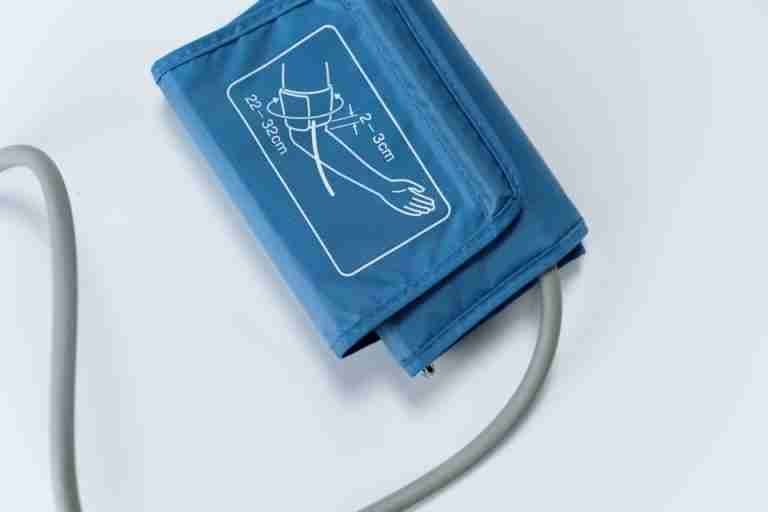
A study published in the American Heart Association journal found that individuals with persistent headaches had a 40% higher risk of developing hypertension. Monitoring your blood pressure regularly is crucial, and investing in a reliable home blood pressure monitor can be a wise step. Omron Healthcare offers several options that are easy to use and provide accurate readings.
Consider keeping a log of your blood pressure readings and any headaches you experience. This can help your healthcare provider make a more informed diagnosis. The takeaway? If headaches are a regular part of your morning routine, it might be time to visit your healthcare provider for a blood pressure check. Early detection can prevent more severe health issues down the line, such as heart disease or stroke.
Sinus Headaches Could Point to Chronic Sinusitis
Sinus headaches are often mistaken for migraines due to their similar symptoms. However, if your headache is accompanied by nasal congestion, facial pain, and pressure around the eyes, it might be sinusitis. Chronic sinusitis, a long-lasting inflammation of the sinuses, can lead to more serious complications if left untreated.

The Mayo Clinic states that chronic sinusitis can result from infections, growths in the sinuses (nasal polyps), or a deviated septum. Treatment may involve nasal corticosteroids, saline nasal irrigation, or even surgery in severe cases. Nasal irrigation products like Naväge can help keep your sinuses clear and reduce symptoms.
It is beneficial to maintain indoor humidity at an optimal level, as dry air can exacerbate sinus issues. For those suffering from frequent sinus headaches, seeking an evaluation from an ENT specialist can provide clarity and appropriate treatment options. Ignoring persistent symptoms can lead to prolonged discomfort and potential complications, such as a spread of infection to other parts of the body.
Migraines: More Than Just a Bad Headache
Migraines affect over a billion people worldwide, according to the Migraine Research Foundation. But how do you know if your headache is actually a migraine? Migraines are typically characterized by intense, throbbing pain, often on one side of the head, and can be accompanied by nausea, vomiting, and sensitivity to light and sound.
Research shows that migraines can sometimes signal underlying neurological conditions. They might even precede a stroke in some cases. The World Health Organization classifies chronic migraine as a serious, debilitating condition. Treatments range from prescribed medications to lifestyle changes and alternative therapies.
Apps like Migraine Buddy allow users to track their headaches, identify triggers, and share detailed reports with healthcare providers. This can help tailor an effective treatment plan. Additionally, exploring dietary changes such as reducing caffeine intake or identifying food triggers can be beneficial. If migraines disrupt your life, it's crucial to consult with a neurologist to explore potential causes and receive targeted treatment.
Tension Headaches: Stress or Something More?
Tension headaches are the most common type of headache, often attributed to stress, anxiety, or poor posture. They feel like a tight band around the head and can last from 30 minutes to several hours. However, persistent tension headaches could indicate underlying mental health issues such as depression or anxiety disorders.
The Anxiety and Depression Association of America explains that chronic tension headaches can exacerbate mental health conditions, creating a vicious cycle. Addressing the root cause is essential, which may involve cognitive behavioral therapy, stress management techniques, or medication.
Consider using stress-reduction tools like Headspace for guided meditation and mindfulness exercises. Engaging in regular physical activities, such as yoga or tai chi, can also promote relaxation and help reduce the frequency of tension headaches. If tension headaches are frequent and linked to emotional distress, seeking support from a mental health professional can provide significant relief and improve overall well-being.
Cluster Headaches: A Rare But Serious Condition
Cluster headaches are excruciating attacks that occur in cyclical patterns. They are less common but can be debilitating. The pain is often described as a burning or piercing sensation around one eye and is typically accompanied by redness, tearing, and nasal congestion on the affected side.
Cluster headaches can sometimes indicate issues with the hypothalamus, the part of the brain that regulates biological functions. While the exact cause remains unknown, treatments like oxygen therapy, triptans, and preventative medications can help manage episodes.
It's important to document the frequency and duration of these headaches. A detailed headache diary can assist healthcare providers in diagnosing and treating this condition effectively. If cluster headaches are suspected, prompt consultation with a neurologist is advised. Being informed about potential triggers, such as alcohol or changes in sleep patterns, can be beneficial in managing this condition.
When to Seek Medical Attention
Not every headache warrants a trip to the doctor, but certain warning signs should never be ignored. Sudden, severe headaches, often referred to as "thunderclap headaches," require immediate medical evaluation. They can indicate life-threatening conditions such as a brain aneurysm or hemorrhage.

Other red flags include headaches accompanied by confusion, seizures, fever, double vision, or weakness. These symptoms may signal infections, tumors, or other neurological disorders. The National Institutes of Health stresses the importance of seeking emergency care for sudden, severe headaches with additional neurological symptoms.
If you're ever in doubt about the severity of your headache, err on the side of caution and seek professional medical advice. Early intervention can be crucial in preventing serious complications. Having a plan in place for when to seek emergency care can provide peace of mind and ensure timely treatment.
Practical Steps to Manage and Prevent Headaches
For those dealing with frequent headaches, lifestyle modifications can play a significant role in management and prevention. Regular exercise, adequate hydration, and a balanced diet are foundational. Identifying and avoiding triggers such as certain foods, caffeine, and alcohol can also reduce headache frequency.
Ergonomic adjustments, especially for those who spend long hours at a desk, can alleviate tension headaches. Ensure your workspace is set up to promote good posture, and take regular breaks to stretch and move.
Keeping a headache diary can be invaluable. Note the time, location, intensity, and possible triggers of each headache. This data can help you and your healthcare provider identify patterns and develop a targeted treatment plan. Incorporating relaxation techniques, such as deep breathing exercises or progressive muscle relaxation, into your daily routine can also help manage stress levels that contribute to headaches.
The Path Forward: Listening to Your Body
Headaches, while common, should never be ignored when they become frequent or severe. They can be your body's way of signaling deeper health issues that need attention. By understanding the different types of headaches and their potential implications, you can take proactive steps to safeguard your health.
Remember, it's always better to address concerns early rather than wait for symptoms to escalate. Whether it's monitoring blood pressure, consulting a specialist, or making lifestyle changes, taking action today can prevent more serious health problems tomorrow. Listen to your body, and don't hesitate to seek professional help when needed. Your health is worth it.