When Sneezes Aren’t Just Allergies: Surprising Signs You Shouldn’t Ignore
Every sneeze isn't the same. While a burst of sneezes might seem like a straightforward allergy, there are times when a sneeze is more than just a reflexive reaction to dust or pollen. In fact, sneezing can sometimes sig
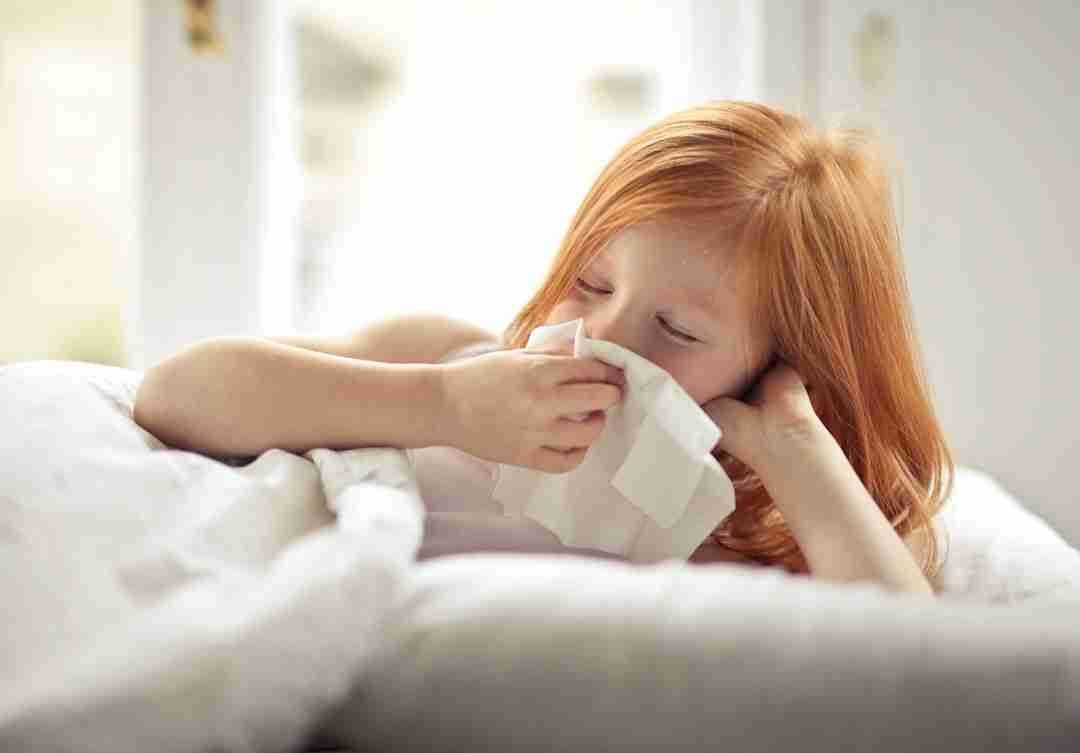
Every sneeze isn't the same. While a burst of sneezes might seem like a straightforward allergy, there are times when a sneeze is more than just a reflexive reaction to dust or pollen. In fact, sneezing can sometimes signal underlying health conditions that require attention. Recognizing when these sneezes aren't merely allergies can make a significant difference in addressing potential health issues early.
Persistent Sneezing and Fatigue: When Rest Isn't Enough
A sneeze here and there might not be alarming, but frequent sneezing combined with chronic fatigue could be an indicator of something more serious. If you're noticing that no amount of sleep seems to alleviate exhaustion, the issue might not be just allergies. Experts suggest that conditions such as chronic sinusitis or even autoimmune disorders like lupus can manifest through these symptoms. Chronic sinusitis, for instance, affects approximately 11% of the U.S. population each year. The inflammation and swelling of the sinuses can lead to persistent sneezing and a feeling of fatigue that rest alone can't fix.
Practical Takeaway
If you're experiencing these symptoms, consider consulting with a healthcare professional. They might recommend a sinus CT scan or blood tests to rule out more severe conditions. In the meantime, keeping a symptom diary can help track any patterns or triggers associated with your sneezing and fatigue. Documenting when these symptoms occur, their severity, and any potential triggers can provide valuable information to your healthcare provider. This proactive approach can lead to a quicker diagnosis and more effective treatment.
Sneezing Accompanied by Facial Pain: Consider Sinusitis
Sneezing isn't typically associated with pain, but if you start to notice facial discomfort or even headaches alongside sneezes, sinusitis could be the culprit. The sinuses are air-filled spaces in your skull that, when inflamed, can cause significant discomfort. This inflammation may result from infections, allergies, or nasal polyps. The pressure and pain often localize around the eyes, cheeks, and forehead.

What You Can Do
To alleviate this discomfort, try using saline nasal sprays or a humidifier to keep nasal passages moist. You might also find relief from over-the-counter nasal decongestants, but these should only be used short-term. For a more sustained solution, a healthcare provider might suggest a prescription nasal spray or an antibiotic if a bacterial infection is suspected. It's also beneficial to practice regular nasal hygiene, such as using a neti pot or nasal irrigation system, to clear out allergens and reduce inflammation.
Sudden Sneezing Fits with Skin Rashes: A Sign of Allergic Reactions
When sneezing comes with unexpected skin rashes, it's time to pay attention. This combination can indicate an allergic reaction, possibly to a food or medication. Hives, characterized by raised, itchy welts on the skin, often accompany such reactions. It's essential to recognize these symptoms early because severe allergic reactions can escalate quickly.
Immediate Steps to Take
First, identify and eliminate any recent changes in diet, medication, or environment that could be causing the reaction. Antihistamines like Claritin or Zyrtec can help manage mild symptoms. However, if you experience difficulty breathing or notice swelling of the face, seek medical attention immediately as these could be signs of anaphylaxis, a potentially life-threatening condition. It's beneficial to carry an emergency allergy kit if you have a history of severe allergic reactions, and to educate those around you on how to use it.
Sneezing Paired with Digestive Issues: Look for Food Intolerances
Sneezing isn't usually associated with the digestive system, but in some cases, it can be linked to food intolerances. Conditions such as lactose intolerance or celiac disease might present symptoms that include sneezing alongside bloating, gas, or diarrhea. Research shows that the immune response triggered by certain foods can result in a range of symptoms, including respiratory reactions like sneezing.

How to Address This
Consider experimenting with an elimination diet to identify potential food triggers. Remove suspected foods from your diet and gradually reintroduce them, noting any changes in symptoms. For a more precise approach, consult with a dietitian or healthcare provider who can guide you through the process and possibly recommend specific tests for food sensitivities. Keeping a detailed food diary can also aid in identifying hidden ingredients that may be contributing to symptoms.
Recurrent Sneezing with Weight Loss: Investigate Metabolic or Immune Disorders
If sneezing is accompanied by unexplained weight loss, it's a signal worth investigating. Such a combination might suggest underlying metabolic or immune disorders. Conditions like hyperthyroidism or type 1 diabetes could manifest with these symptoms. Hyperthyroidism, for instance, can speed up metabolism, leading to weight loss, increased appetite, and sneezing due to heightened sensitivity to airborne particles.
Next Steps
Engage a healthcare provider for a comprehensive evaluation. Blood tests can assess thyroid function or glucose levels, potentially revealing an imbalance. Early detection and management of these conditions can prevent complications and improve quality of life. It's also important to monitor any additional symptoms, such as changes in heart rate or temperature sensitivity, that could provide further clues to the underlying cause.
Sneezing Linked to Changes in Smell or Taste: Consider Neurological Factors
When sneezing is coupled with alterations in smell or taste, neurological factors might be at play. This symptom combination can occasionally point to conditions affecting the nervous system, such as Parkinson's disease or multiple sclerosis. These conditions can alter sensory perceptions, including the way one experiences smells or tastes.

What to Watch For
If you notice changes in these senses alongside frequent sneezing, document these occurrences. Share this information with a neurologist who can conduct appropriate evaluations. Diagnostic tests like an MRI can help determine if there's an underlying neurological condition. Early intervention can be key to managing these conditions effectively and preserving quality of life.
Sneezing with Shortness of Breath: Asthma or Respiratory Concerns
Sneezing that brings about shortness of breath might be more than just a nuisance. Asthma or other respiratory issues could be the underlying cause. Asthmatic reactions can start with sneezing, progressing to wheezing and difficulty breathing. In the U.S., about 25 million people have asthma, highlighting the commonality of this condition.
Immediate Relief and Long-Term Management
For immediate relief, use a rescue inhaler if one has been prescribed. Long-term, managing asthma typically involves identifying and avoiding triggers, using maintenance inhalers, and regular monitoring with a healthcare provider. For those who haven't been diagnosed with asthma but experience these symptoms, seeking medical advice is crucial. Keeping an asthma action plan and ensuring regular check-ups can help in effectively controlling asthma and reducing the frequency of sneezing and other symptoms.
Conclusion: Being Proactive About Sneezing
Sneezing, often dismissed as a minor annoyance, can sometimes be an early warning sign of more significant health issues. By recognizing the accompanying symptoms, such as fatigue, facial pain, or changes in smell, individuals can take proactive steps towards better health. Monitoring these symptoms and seeking professional advice when necessary ensures that sneezes don't go unchecked, paving the way for timely diagnosis and treatment. Today, consider keeping a journal of any unusual symptoms to discuss with a healthcare provider. This small action can lead to significant insights about one's health.