Why Dandelion Tea Became My Go-To for a Healthy Liver
Many people are turning to dandelion tea as a natural remedy for liver health. This humble plant, often dismissed as a common weed, holds potential benefits that are capturing the attention of health enthusiasts. Imagine

Many people are turning to dandelion tea as a natural remedy for liver health. This humble plant, often dismissed as a common weed, holds potential benefits that are capturing the attention of health enthusiasts. Imagine sipping a warm cup of tea that not only soothes the senses but also supports one of the body's most important organs. It might sound too good to be true, but the science behind dandelion tea is convincing more and more individuals to give it a try.
Dandelion Tea: A Nutrient Powerhouse
Dandelion tea is not just a comforting beverage; it's packed with nutrients that can play a significant role in liver health. Many find that dandelion root, in particular, is rich in vitamins A, C, and K, as well as minerals like iron, calcium, and potassium. These nutrients are essential for maintaining a healthy liver, as they aid in detoxification and support overall bodily functions.
For example, vitamin A supports liver tissue repair, while vitamin C acts as an antioxidant, protecting the liver cells from damage. Calcium is known for its role in cellular functions that are crucial for detoxification processes. Iron contributes to the formation of red blood cells, which are vital for oxygen transport and overall vitality, indirectly supporting liver health. These micronutrients work synergistically to help the liver perform optimally.
Research shows that the liver, which acts as the body's natural filter, benefits from antioxidants present in dandelion tea. These antioxidants help combat oxidative stress, a condition that can lead to liver damage over time. Drinking dandelion tea regularly might help in reducing this stress, allowing the liver to function more efficiently.
The Science Behind Dandelion's Liver-Friendly Properties
Dandelion tea's liver-supporting properties are backed by science. Studies suggest that dandelion root extract can promote the production of bile, a fluid produced by the liver that aids in digestion and the absorption of fats. This increase in bile production helps the liver break down and remove toxins from the body more effectively.
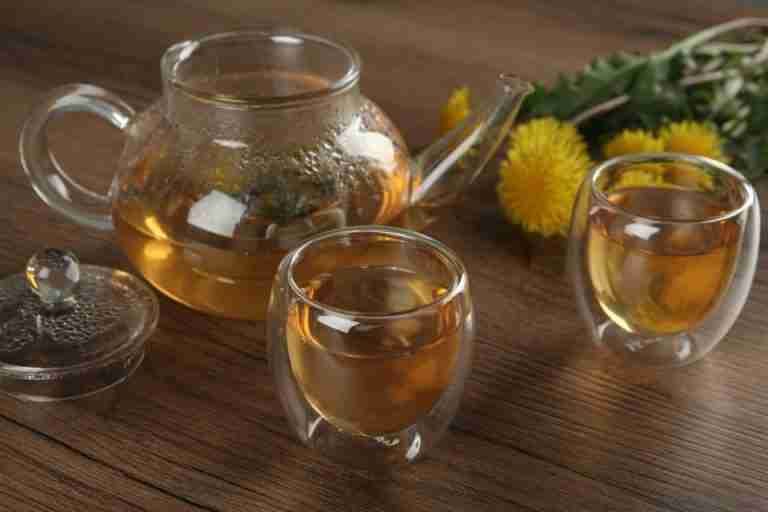
One study found that dandelion root extract could potentially protect the liver from harmful chemicals and prevent liver fibrosis, a condition characterized by excessive tissue buildup. By fostering a protective environment, dandelion tea might play a role in maintaining liver health and preventing long-term damage. The mechanisms by which dandelion achieves this include modulation of inflammatory pathways and the enhancement of liver detoxification enzymes.
Another aspect of dandelion's potential benefits is its role in supporting the liver's regenerative capabilities. The liver is unique in its ability to regenerate after injury, and compounds within dandelion may aid this process. This could be particularly beneficial for individuals with early-stage liver conditions, where enhancing the liver's natural regenerative capacity could prevent disease progression.
Brewing the Perfect Cup: Steps to Maximize Benefits
Preparing dandelion tea is an art that can enhance its benefits. Start by sourcing high-quality dandelion root, available in health food stores or online. Look for organic options to ensure the absence of pesticides and other harmful chemicals. Mountain Rose Herbs offers a reputable selection of organic dandelion root for those seeking quality ingredients.
To brew the tea, use one to two teaspoons of dried dandelion root per cup of water. Boil the water, add the root, and let it steep for about 10 minutes. Strain the tea into a cup and enjoy. Some prefer to add a hint of honey or lemon to enhance the flavor, although the natural taste is quite pleasant.
For those who enjoy experimenting with flavors, consider adding spices like cinnamon or ginger, which not only complement the earthy taste of dandelion but also offer additional health benefits. Cinnamon is known for its anti-inflammatory properties, while ginger aids digestion and boosts immunity.
Drinking dandelion tea one to three times daily can help maximize its liver-supporting benefits. However, it's essential to listen to your body and adjust the intake based on how you feel. Some individuals may experience mild digestive changes as their body adjusts to the tea, which is generally temporary. Keeping a diary of your tea consumption and any noticeable effects can be helpful in determining the optimal amount for your specific needs.
Cost-Effective and Accessible: A Health Trend for Everyone
One of the appealing aspects of dandelion tea is its affordability. Unlike some health supplements, dandelion root is cost-effective, making it accessible for a wide range of people. A typical bag of dried dandelion root costs around $10 to $15 and can last for several weeks, depending on usage.

For those who prefer convenience, dandelion tea bags are available from brands like Traditional Medicinals, offering a simple and quick way to enjoy the benefits without the need for brewing loose roots. This makes it easy for anyone to incorporate dandelion tea into their daily routine.
Considering the rising cost of healthcare and supplements, dandelion tea offers an economical alternative for those looking to support liver health naturally. Its accessibility extends beyond financial aspects—dandelion root can be grown in a home garden, providing a sustainable option for those inclined towards gardening.
Dandelion Tea and Liver Health: A Cautionary Note
While dandelion tea offers numerous benefits, it's essential to consider individual health conditions and consult with a healthcare professional before making it a staple. Some people may have allergies to dandelions, and others with certain health conditions or who are taking specific medications should exercise caution.
Experts suggest that individuals with gallbladder issues or those on diuretics should be particularly mindful, as dandelion tea can increase bile production and may act as a natural diuretic. Consulting a healthcare provider ensures that dandelion tea is a safe and beneficial addition to one's health regimen.
Pregnant and breastfeeding women should also seek medical advice before consuming dandelion tea, as its effects in these conditions are not thoroughly studied. Being informed and cautious helps ensure that the benefits of dandelion tea do not inadvertently lead to adverse effects.
Beyond the Cup: Incorporating Dandelion in Daily Life
Dandelion's benefits extend beyond just tea. The leaves, flowers, and roots can be incorporated into various recipes, providing additional health benefits. Dandelion leaves, for example, can be added to salads or smoothies for a nutritional boost. The slightly bitter taste of dandelion greens can be balanced with sweet fruits or a tangy dressing, making for a delightful and healthy meal.

For those interested in exploring more culinary uses, The Spruce Eats offers recipes featuring dandelion as a key ingredient. This versatility allows for creative ways to enjoy the plant while supporting liver health. Dandelion roots can be roasted and ground to make a coffee substitute, offering a caffeine-free alternative that still provides an energy boost.
Exploring dandelion recipes not only diversifies your diet but also enhances your culinary skills. Understanding how to incorporate nutritious plants like dandelion into everyday meals is a step towards a more health-conscious lifestyle.
How to Start Improving Liver Health Today
For those convinced of dandelion tea's potential, starting with a simple plan can make the transition seamless. Begin by incorporating one cup of dandelion tea into your daily routine, perhaps as a morning ritual or an evening wind-down.
Consider tracking how you feel over a few weeks, noting any changes in energy levels, digestion, or overall well-being. This practice not only helps in assessing the tea's impact but also encourages mindfulness about personal health. You might find that the calming ritual of tea preparation and consumption becomes a valued part of your day, contributing to mental and emotional wellness.
Remember, a healthy lifestyle encompasses more than just one habit. Pairing dandelion tea with a balanced diet, regular exercise, and adequate hydration creates a holistic approach to liver health that can yield long-term benefits. Incorporating practices like mindful eating and stress management can further enhance the positive effects of dandelion tea, creating a comprehensive strategy for well-being.
Incorporating dandelion tea into one's lifestyle doesn't require drastic changes, just a commitment to small, consistent steps toward better health. For those looking to support their liver naturally, dandelion tea presents a compelling, cost-effective option that is worth considering.
Ultimately, the journey to improved liver health is personal and varies for each individual. However, the evidence supporting dandelion tea as a beneficial supplement is strong, and with thoughtful integration into daily life, many may find it to be a valuable ally in maintaining overall well-being.