Why Eating in the Color of the Rainbow Transformed My Energy Levels
Imagine waking up every day feeling sluggish, only to realize that breakfast was the same cereal or toast routine. A colorful diet might be the missing piece to revitalize those energy levels. There's mounting evidence t
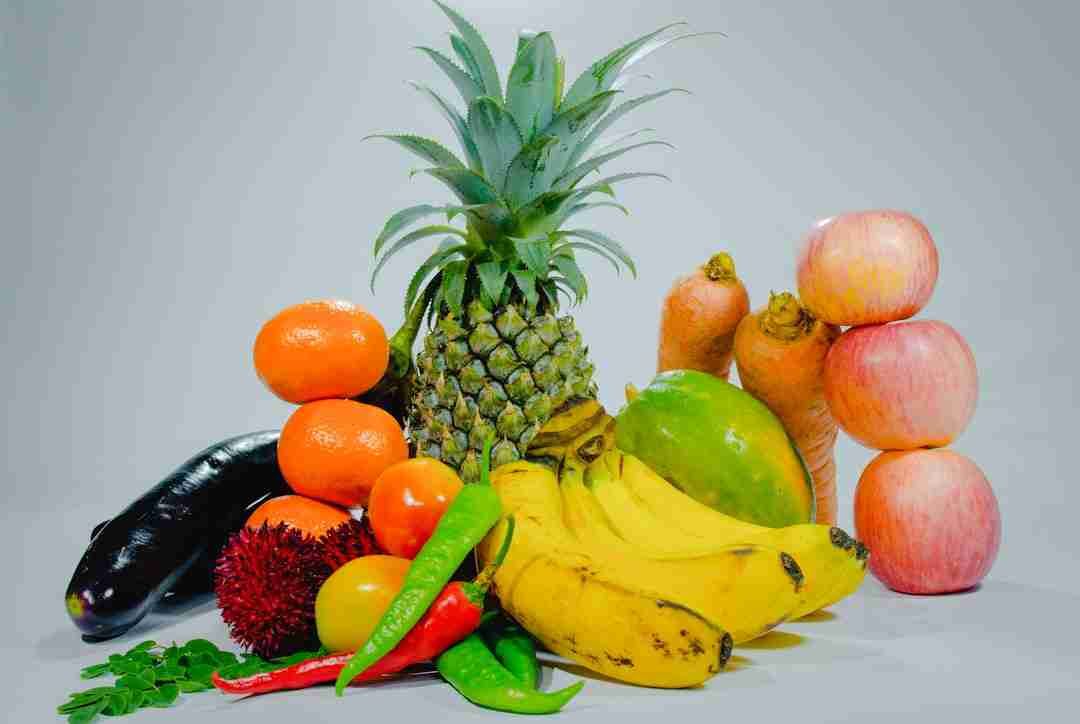
Imagine waking up every day feeling sluggish, only to realize that breakfast was the same cereal or toast routine. A colorful diet might be the missing piece to revitalize those energy levels. There's mounting evidence that eating a variety of colorful fruits and vegetables can significantly boost both physical and mental energy. But why is this approach so effective?
The Power of Phytochemicals in Red Fruits and Vegetables
Red fruits and vegetables like tomatoes, red bell peppers, and strawberries are packed with phytochemicals. These naturally occurring compounds have antioxidant properties that combat oxidative stress in the body. Oxidative stress can lead to fatigue and decreased energy levels. By incorporating red produce into your meals, you're not just adding color; you're enhancing your body's ability to fight fatigue.
Consider this: a study published in the Journal of Nutrition found that individuals who consumed high amounts of lycopene, a phytochemical in tomatoes, reported higher energy levels and improved overall well-being. Lycopene is also linked to reducing the risk of certain chronic diseases, adding an extra layer of benefit to its energy-boosting properties. Including red fruits and vegetables like watermelon, cherries, and red onions can add variety to your diet as well.
For a simple way to incorporate red foods, try making a caprese salad with fresh tomatoes, mozzarella, and basil, or enjoy strawberries with a dollop of yogurt for a refreshing snack. Next time you're at the grocery store, reach for those vibrant red options and see if they brighten more than just your plate.
Orange and Yellow: The Sunshine Vitamins
Orange and yellow fruits and vegetables are rich in vitamins C and A, which are essential for immune function and skin health. But these vitamins also play a crucial role in energy production. Vitamin C, for example, is involved in the synthesis of carnitine, a molecule that helps transport fatty acids into cells to be burned for energy.

Sweet potatoes, carrots, and oranges are excellent sources of these vital nutrients. A consistent intake can lead to improved stamina and reduced feelings of tiredness. According to the American Journal of Clinical Nutrition, individuals with higher vitamin C levels tend to experience less fatigue and have more sustained energy throughout the day. Vitamin A contributes to maintaining healthy vision and immune function, which indirectly supports overall energy by keeping the body in optimal condition.
Try adding a variety of orange and yellow produce to your diet. A refreshing orange smoothie made with carrots and mango can be a delicious way to start your day. Alternatively, roasted butternut squash or grilled corn can enhance your dinner plate with warmth and vibrancy.
Green Vegetables: A Source of Iron and Folate
Green leafy vegetables, such as spinach and kale, are renowned for their high iron and folate content. These nutrients are essential for the production of red blood cells, which carry oxygen to the body's tissues. Without sufficient oxygen, you can feel drained and lethargic.
Research shows that increasing the intake of green vegetables leads to a noticeable improvement in energy levels. The Journal of the American Dietetic Association highlights that individuals who incorporate more greens into their diet report feeling more alert and less fatigued. Spinach, in particular, is rich in magnesium, a mineral that plays a role in over 300 biochemical reactions in the body, including energy production.
For a practical approach, consider making a green smoothie or a vibrant salad. Incorporate a variety of greens like arugula, Swiss chard, and broccoli to keep your palate entertained while reaping the benefits of diverse nutrients. These dishes not only add color to your meals but also provide the essential nutrients needed to keep you energized.
Blue and Purple: Antioxidants for Brain Health
Blue and purple foods like blueberries, eggplants, and purple cabbage are rich in anthocyanins, a type of antioxidant known for its brain-boosting properties. These antioxidants support cognitive function and can help reduce mental fatigue.
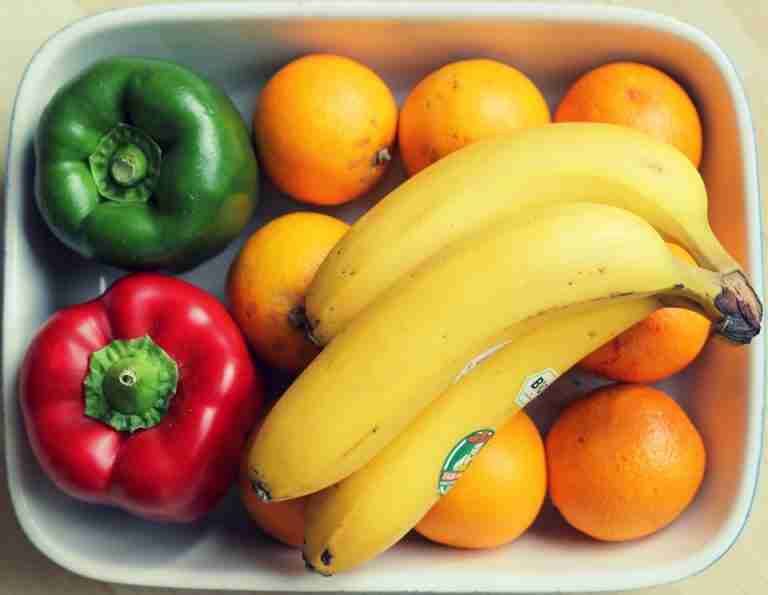
A study in the Journal of Agricultural and Food Chemistry found that participants who consumed blueberries showed improved brain function and a reduction in the cognitive decline typically associated with aging. This suggests that a diet rich in blue and purple produce can help maintain mental clarity and energy. Blackberries, plums, and figs are other excellent choices to expand the blue and purple range in your diet.
Incorporate these foods into your snacks or meals. A handful of blueberries or a serving of roasted purple potatoes can make a significant difference in your mental and physical energy levels. For a creative twist, try making a berry compote to drizzle over oatmeal or yogurt.
White and Brown: Often Overlooked Energy Boosters
While not as vibrant as their colorful counterparts, white and brown fruits and vegetables like bananas, garlic, and mushrooms play an essential role in a balanced diet. These foods often contain high levels of potassium and other essential nutrients that aid in maintaining energy levels.
Potassium is crucial for muscle function and the regulation of fluid balance, which can directly impact how energetic you feel. Bananas, for instance, are a great source of this mineral and can provide a quick energy boost when needed. Garlic is noted for its ability to support heart health, while mushrooms are rich in B vitamins, which help convert food into energy.
Experts suggest incorporating these foods into your meals as they offer subtle, yet effective, energy enhancements. Consider adding mushrooms to a stir-fry or enjoying a banana for breakfast. Roasted garlic paired with whole-grain bread can be a delightful addition to your meals. These options help sustain your energy throughout the day.
The Role of Hydration in Energy Levels
Alongside a colorful diet, staying hydrated is integral to maintaining energy levels. Water is involved in almost every bodily function, including digestion and nutrient absorption. Even mild dehydration can lead to fatigue and decreased concentration. Incorporating hydrating foods like cucumbers, melons, and citrus fruits can help supplement your water intake.
To ensure adequate hydration, aim to drink at least eight cups of water a day, adjusting based on activity level and climate. Herbal teas and infusions can also contribute to your fluid intake while offering additional health benefits. Keeping a reusable water bottle handy serves as a constant reminder to stay hydrated.
Practical Tips for a Colorful Diet
Transitioning to a colorful diet doesn't have to be overwhelming. Here are some actionable tips:
-
Plan Your Meals: Start by planning meals that include a variety of colors. Use a meal planner like Trello to organize your shopping list and recipes.
-
Explore New Recipes: Try out new recipes that incorporate multiple colors. Websites like AllRecipes offer a plethora of ideas to keep your meals interesting and varied.
-
Shop Seasonally: Seasonal produce is often more affordable and flavorful. Check out local farmer's markets or use apps like LocalHarvest to find what's in season near you.
-
Prep in Advance: Spend a couple of hours each week washing and cutting fruits and vegetables. Store them in airtight containers for easy access, making it more convenient to include them in your meals.
-
Mix and Match: Don't be afraid to experiment by mixing different colors in your meals. The variety not only enhances the visual appeal but also ensures a broad spectrum of nutrients.
By incorporating a rainbow of colors into your diet, you're not only adding visual appeal to your plate but also equipping your body with a wide range of nutrients that can significantly boost energy levels. Start today by adding just one new colorful fruit or vegetable to your meal plan. The benefits may surprise you.