Why Forest Bathing Became My Weekend Ritual
Imagine escaping the relentless pace of modern life and immersing yourself in a sanctuary that promises serenity, clarity, and rejuvenation. Many have discovered this refuge in the ancient practice of forest bathing, a r
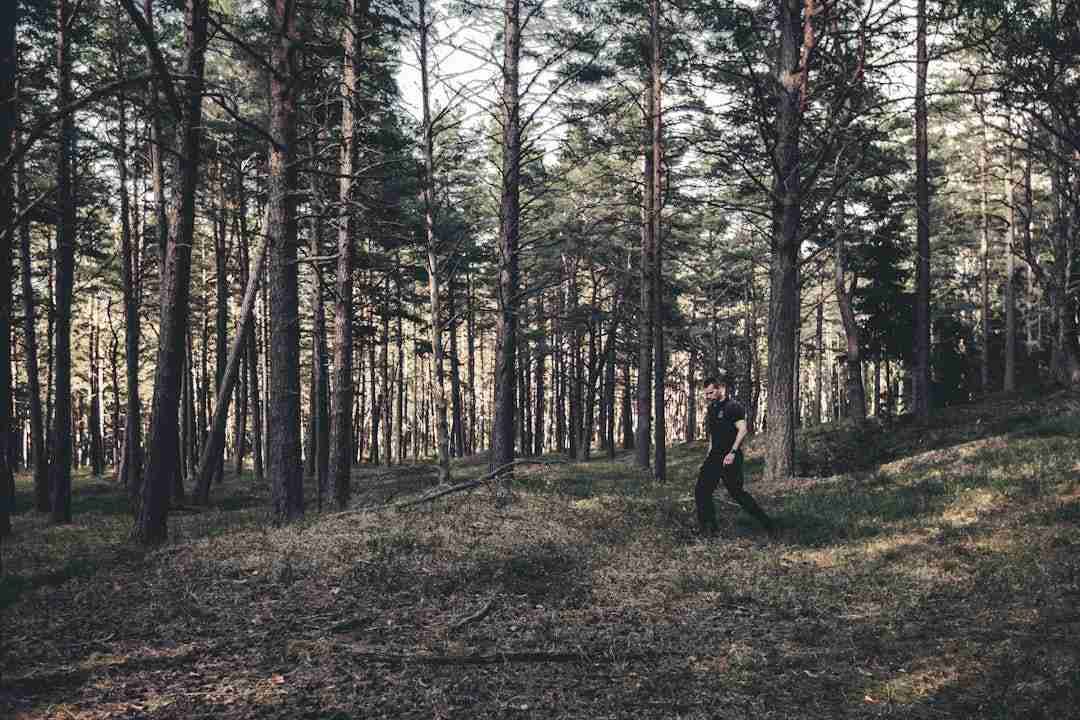
Imagine escaping the relentless pace of modern life and immersing yourself in a sanctuary that promises serenity, clarity, and rejuvenation. Many have discovered this refuge in the ancient practice of forest bathing, a ritual that's far more than a leisurely stroll in the woods. It's a deliberate and mindful immersion into the natural environment, providing benefits that go beyond simple relaxation. What's even more surprising is the scientific backing it has received, validating what many have intuitively known for centuries. But how exactly does one engage in forest bathing, and what makes it so compelling?
120 Minutes a Week to Greater Well-being
Research shows that spending as little as 120 minutes a week in nature can significantly boost well-being. But what makes forest bathing distinct from other outdoor activities? It’s the mindfulness element. Unlike hiking or jogging, forest bathing encourages individuals to slow down and engage their senses fully. This means listening to the rustle of leaves, feeling the textures of tree bark, and noticing the play of dappled sunlight. The key is to be present and let nature do the rest.
A study conducted by the University of Exeter found that those who spent at least two hours a week in nature were more likely to report good health and higher psychological well-being than those who didn’t. This doesn't mean you need to pack in two hours in one go. Consider breaking it into smaller, more manageable sessions throughout your week. For instance, you might find solace in a 20-minute walk during your lunch break or a quiet hour in the park over the weekend.
Forest Bathing Reduces Stress Levels by 16%
The effects of forest environments on stress reduction are profound. A Japanese study found that participants who engaged in forest bathing experienced a 16% decrease in cortisol levels, the hormone associated with stress. This drop is attributed to the phytoncides, or natural oils, emitted by trees. These compounds have been shown to lower blood pressure, enhance mood, and boost immune function.
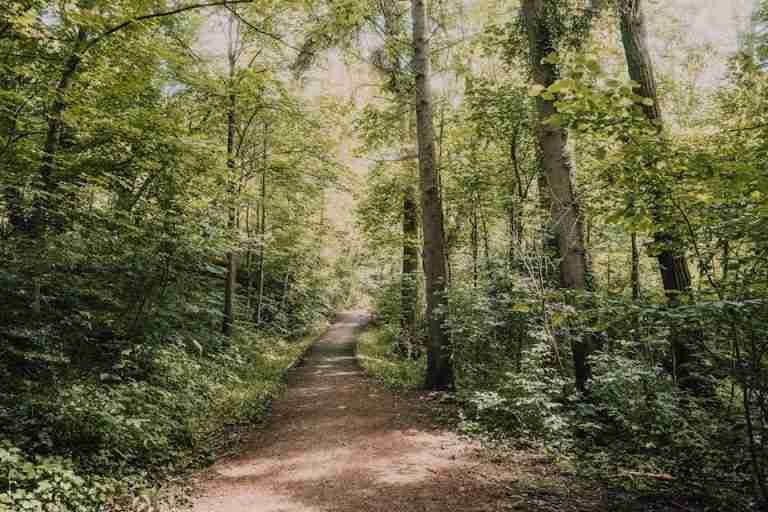
For those living in urban areas, the lack of accessible green spaces can be challenging. However, even small parks or tree-lined streets can offer a semblance of forest bathing. The trick is to find a spot where one can disconnect from noise and feel surrounded by nature, even if just a little. Consider creating a personal ritual before or after work to visit these spaces, allowing a brief but vital respite from the daily grind.
Boosting Creativity and Focus
Professionals note that a regular dose of nature can significantly enhance creativity and focus. In fact, a study from the University of Utah showed that participants who spent time immersed in nature performed 50% better on creativity tests. This is linked to the Attention Restoration Theory, which suggests that natural environments restore our cognitive abilities by providing a break from the constant demands of modern life.
Here's a practical takeaway: if you're tackling a complex problem or facing a creative block, consider a session of forest bathing. It might just clear the mental fog and present fresh perspectives. Try integrating it into your work routine, perhaps as a midday break or a weekly reset, to enhance productivity and innovation.
The Cost-Effectiveness of Forest Bathing
One of the most appealing aspects of forest bathing is its cost-effectiveness. Unlike other wellness practices that may require expensive memberships or equipment, forest bathing is accessible to nearly everyone. All it requires is a bit of time and a willingness to engage with the environment. And with resources like the Forest Bathing Institute, individuals can find guided sessions or locations to enhance their experience.
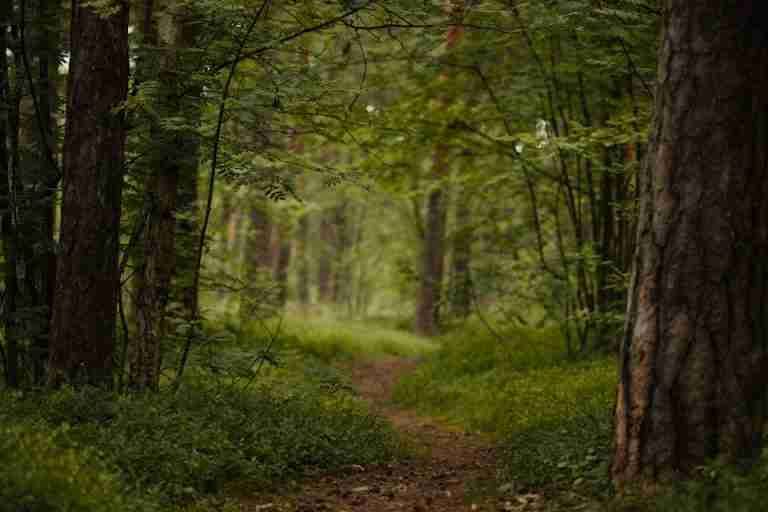
But what if you live in a concrete jungle? Some companies and local governments are recognizing the importance of green spaces and are investing in urban parks and green rooftops. These initiatives not only enhance the quality of life for residents but also provide accessible locations for practices like forest bathing. Consider advocating for such spaces in your community or workplace, as they offer a long-term investment in public health and well-being.
How to Start Forest Bathing: A Step-by-Step Guide
Starting with forest bathing requires no special skills, but a few guidelines can enrich the experience. First, choose a location that feels inviting and safe. This could be a local park, a nature reserve, or even a quiet garden. Next, set aside a block of time – even just 20 minutes can be beneficial. Leave behind distractions such as phones or cameras.
Once in your chosen spot, walk slowly and intentionally. Engage all five senses. Notice the sounds, smells, and sights around you. Touch the earth, the trees, or the water if possible. Sit or lie down if it feels right, and simply breathe. The goal is to connect deeply with the surroundings. For those new to the practice, Shinrin-Yoku offers resources and guided sessions to help deepen the experience. Consider journaling your experiences afterward to reflect on any changes in mood or insight gained.
Forest Bathing's Impact on Mental Health
Many find that forest bathing offers significant mental health benefits. Beyond stress reduction, studies indicate improvements in mood, reduced anxiety, and a decrease in depressive symptoms. The presence of nature has a calming effect, creating a space where individuals can process thoughts and emotions more freely.
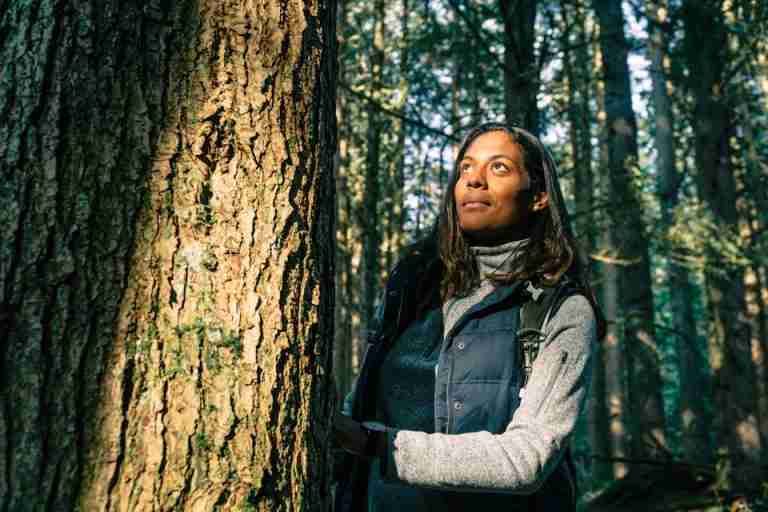
Consider this: regular engagement with nature can serve as a preventive measure against mental health issues. It's a simple yet effective tool to incorporate into one's self-care routine. Even healthcare professionals are beginning to include nature prescriptions as part of comprehensive treatment plans. For those struggling with mental health challenges, forest bathing can be a supportive adjunct to traditional therapies.
Nature Therapy: More Than Just a Trend
Some might dismiss forest bathing as a fleeting trend, but it's rooted in a rich tradition. Originating in Japan as Shinrin-yoku, forest bathing is a form of nature therapy that has been practiced for decades. Its principles are gaining traction worldwide, influencing practices in wellness, healthcare, and even corporate environments.
Organizations are beginning to incorporate forest bathing into team-building activities and employee wellness programs. The idea is to foster a sense of well-being and productivity by reconnecting employees with nature. For those interested in learning more or implementing such programs, the Association of Nature and Forest Therapy offers training and resources. Consider proposing such initiatives in your workplace to enhance team cohesion and employee satisfaction.
Implementing Forest Bathing Into Your Routine Today
So, how can one start benefiting from forest bathing immediately? Begin by identifying local green spaces that are accessible. Schedule time in your week specifically for this practice. Remember, the goal isn't to cover miles but to immerse in nature's ambiance. If possible, invite friends or family to join – sharing the experience can enhance its benefits.
For those seeking a deeper dive, consider guided sessions or workshops. These can offer new insights and techniques to enrich the practice. And remember, consistency is key. Like any other wellness practice, regular engagement with forest bathing will yield the greatest benefits. Embrace the simplicity of the practice, allowing it to become a cherished part of your lifestyle, providing balance and peace amid life's chaos.