Why Lemon Balm Is the Hero Herb for Anxious Nights
Many find themselves tossing and turning at night, their minds racing with thoughts and worries that refuse to quiet down. It's a frustrating scenario, all too common in today's high-pressure environment. But what if the

Many find themselves tossing and turning at night, their minds racing with thoughts and worries that refuse to quiet down. It's a frustrating scenario, all too common in today's high-pressure environment. But what if there was a natural solution that could ease those anxious nights? Enter lemon balm, a humble herb with a powerful reputation for promoting relaxation and improving sleep quality. Its calming effects aren't just folklore; they are backed by science and centuries of use.
The Science Behind Lemon Balm's Calming Effects
Lemon balm, or Melissa officinalis, has been a staple in herbal medicine for centuries, particularly in Europe and the Mediterranean. But why is it so effective? The answer lies in its active compounds, such as rosmarinic acid, which have been shown to increase the availability of neurotransmitters in the brain that promote a sense of calm. According to a study published in the Journal of Ethnopharmacology, lemon balm has significant anxiolytic (anxiety-reducing) properties, making it a natural choice for those struggling with anxiety-induced sleeplessness.
The herb's potential to ease anxiety doesn't stop there. Lemon balm is also known to contain compounds that inhibit the enzyme GABA transaminase. This enzyme breaks down gamma-aminobutyric acid (GABA), a neurotransmitter that helps manage nerve excitability. By inhibiting this enzyme, lemon balm allows more GABA to remain in the brain, contributing to its calming effects.
Historical Context and Modern Research
Historically, lemon balm has been cherished not only for its calming properties but also for its use in treating digestive issues and boosting mood. In medieval Europe, it was commonly used in tonics and elixirs aimed at alleviating stress and enhancing cognitive function. Modern research supports these traditional uses; a study in the Phytotherapy Research journal found that lemon balm could positively impact mood and cognitive performance, particularly under stressful conditions.
Simple Ways to Incorporate Lemon Balm Into Your Routine
While the benefits of lemon balm are impressive, incorporating it into daily life doesn't require a drastic lifestyle change. The herb is versatile and can be used in several forms. One of the simplest methods is through tea. Brewing a cup of lemon balm tea before bed can be a comforting ritual that prepares the mind and body for rest. To make this at home, all you need is a teaspoon of dried lemon balm leaves steeped in hot water for about 5-10 minutes.
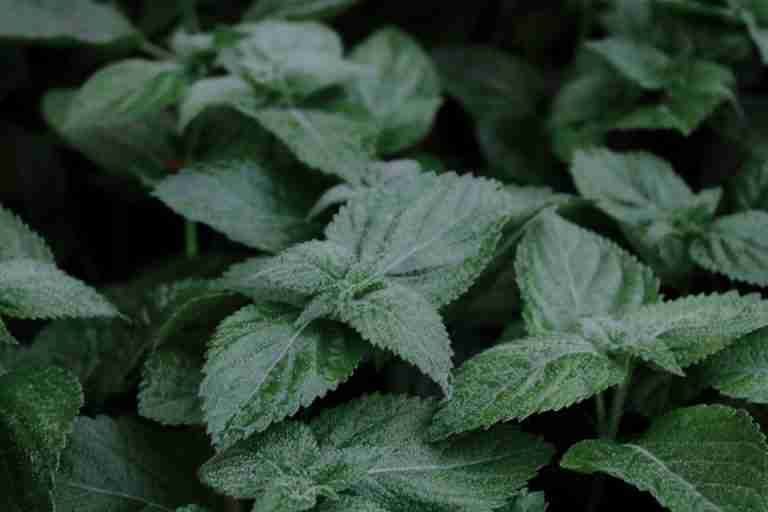
For those who prefer a more concentrated form, lemon balm supplements are widely available. These come in capsules or tinctures, providing a more potent dose of the herb's active compounds. It's important to follow the dosage instructions on the packaging and consult a healthcare provider, especially if you're taking other medications.
Creative Culinary Uses
In addition to tea and supplements, lemon balm can be a delightful addition to your culinary repertoire. Its subtle lemon flavor pairs well with fish dishes, salads, and desserts. Try adding fresh lemon balm leaves to a fruit salad or use them as a garnish for lemon sorbet. This not only introduces the calming properties of the herb into your diet but also enhances your meals with a fragrant twist.
Lemon Balm Essential Oil: A Potent Ally for Relaxation
Essential oils have become a popular way to harness the benefits of herbs, and lemon balm is no exception. Its essential oil, known for its soothing properties, can be used in various ways to promote relaxation. Diffusing lemon balm oil in the bedroom can create a calming atmosphere conducive to sleep. Alternatively, a few drops can be added to a warm bath for a relaxing soak.
It's worth noting that lemon balm essential oil is more concentrated than other forms and should be used sparingly. Always dilute it with a carrier oil if applying to the skin, and perform a patch test to avoid any adverse reactions.
Aromatherapy Techniques
For those interested in aromatherapy, lemon balm essential oil can be combined with other calming oils like lavender or chamomile to enhance its soothing effects. Creating a custom blend for a diffuser can personalize your relaxation routine. Consider experimenting with different ratios to find the perfect mix that suits your preference and enhances your sleep quality.
Combining Lemon Balm with Other Natural Remedies
Lemon balm's effectiveness can be enhanced when combined with other natural sleep aids. Valerian root, for example, is another herb known for its sedative properties. A study in the Phytomedicine journal found that a combination of valerian and lemon balm extracts significantly improved sleep quality in participants. This synergy can make a noticeable difference for those who have tried lemon balm alone without success.
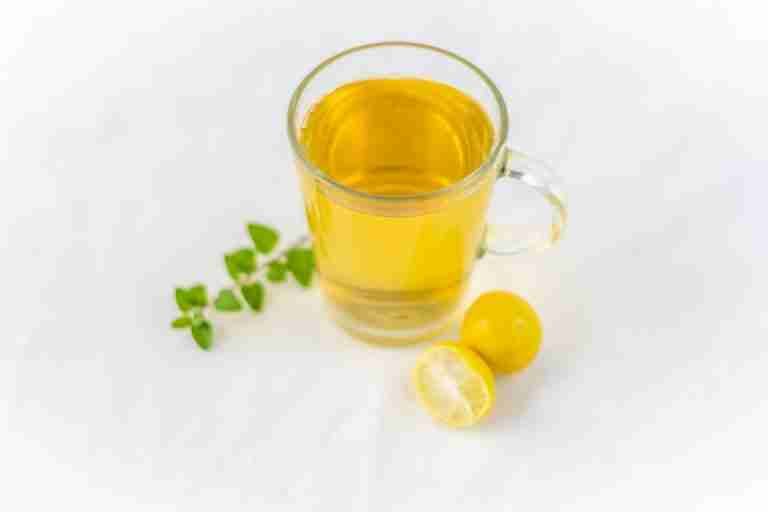
Chamomile is another excellent companion to lemon balm. Known for its mild sedative effects, chamomile can complement the calming properties of lemon balm, making it a popular blend in herbal teas designed for sleep. Combining these herbs can provide a balanced approach to managing anxiety and promoting restful sleep.
Exploring Herbal Blends
For those interested in exploring herbal blends, consider visiting a local herbal shop or online retailer that specializes in custom tea blends. Many offer pre-made mixes that combine lemon balm with other calming herbs like passionflower or hops. This can be an easy way to try different combinations and discover what works best for you.
Potential Side Effects and Considerations
While lemon balm is generally considered safe, it's essential to be aware of potential side effects. Some individuals may experience mild symptoms like nausea or dizziness, especially when taking high doses. It's advisable to start with a small amount and gradually increase as needed.
Pregnant or breastfeeding women should consult their healthcare provider before using lemon balm. Additionally, those with thyroid conditions should be cautious, as lemon balm may interfere with thyroid hormone levels.
Where to Source Quality Lemon Balm Products
Finding high-quality lemon balm products is crucial for reaping its full benefits. When purchasing, look for products that are organic and free from additives. Reputable brands often provide third-party testing to ensure the purity and potency of their products.

Online retailers such as Mountain Rose Herbs and Herb Pharm are known for their commitment to quality. These companies offer a range of lemon balm products, from teas and tinctures to essential oils, allowing you to choose the form that best suits your needs.
Practical Ways to Enhance Your Sleep Environment
Incorporating lemon balm into your routine is just one piece of the puzzle. Creating an overall conducive environment for sleep can amplify its effects. Simple changes, such as reducing screen time before bed and keeping the bedroom cool and dark, can make a significant difference.
Consider investing in a white noise machine to drown out disruptive sounds or blackout curtains to block light. Small adjustments like these, combined with the calming effects of lemon balm, can transform your sleep experience.
Creating a Personalized Sleep Ritual
Establishing a bedtime ritual that includes lemon balm can further enhance its benefits. Consider setting aside 30 minutes before bed for relaxation. This could involve sipping lemon balm tea while reading a book, journaling, or practicing gentle yoga stretches. Personalizing your sleep ritual not only helps signal to your body that it's time to wind down but also creates a comforting routine that you can look forward to each night.