Why Switching to a Plant-Based Diet Made My Grocery Bill Shrink
Many find themselves staring at the grocery receipt, wondering how a cart of seemingly basic items could total such a staggering amount. The answer often lies in the choice of products, particularly those that come with
Many find themselves staring at the grocery receipt, wondering how a cart of seemingly basic items could total such a staggering amount. The answer often lies in the choice of products, particularly those that come with hidden costs. Switching to a plant-based diet, though initially daunting for some, has proven to be an effective strategy for reducing grocery bills while embracing a healthier lifestyle. It’s about more than just cutting out meat—it's about revamping one's entire approach to shopping and eating.
Whole Grains: The Budget-Friendly Staple
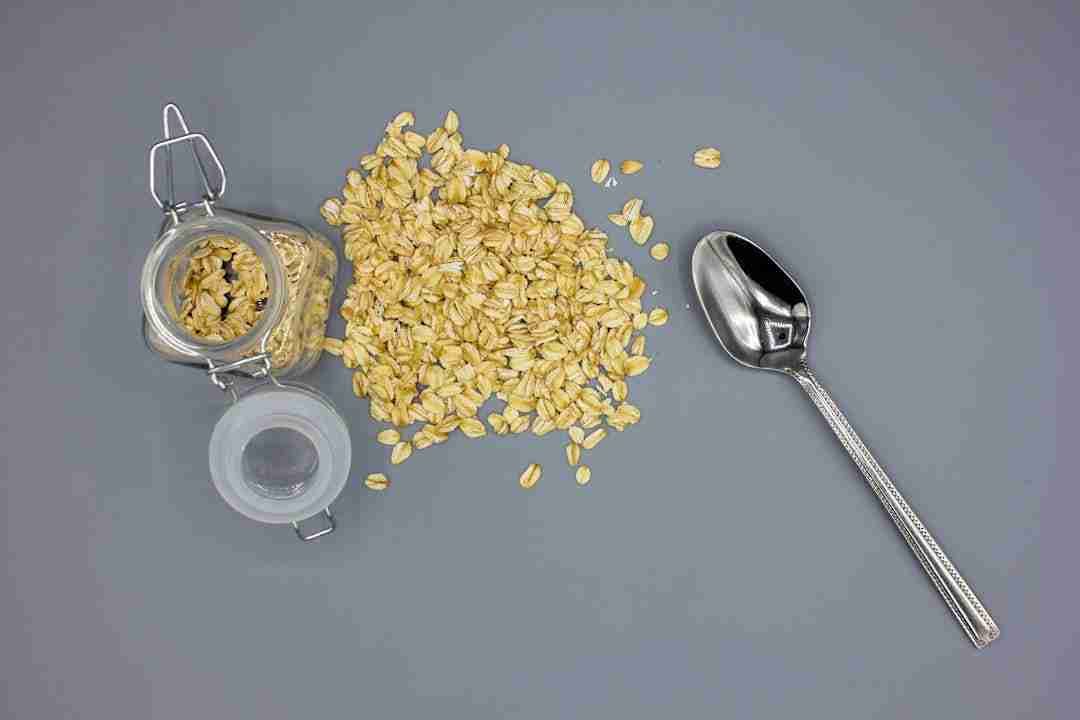
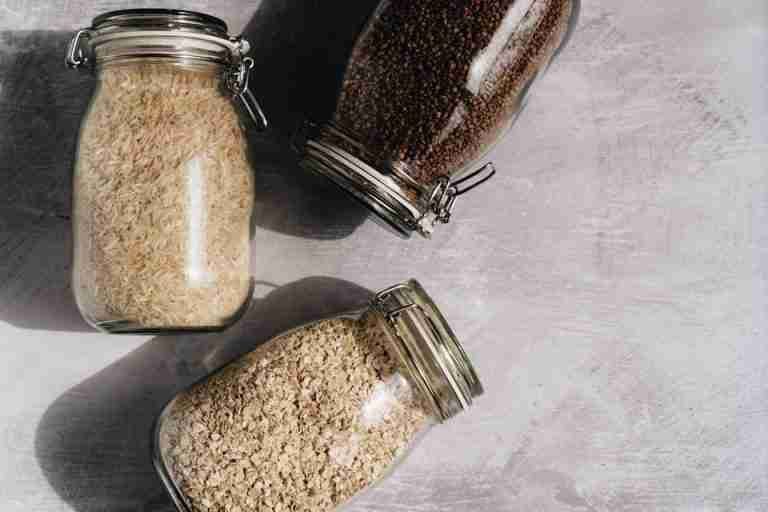
The foundation of a plant-based diet often begins with whole grains such as rice, quinoa, oats, and barley. These grains are not only nutrient-dense but also incredibly cost-effective. For instance, a 5-pound bag of rice often costs less than $10 and can serve as the base for multiple meals throughout the week. Quinoa, though slightly more expensive, offers a high protein content that can replace more costly meat options.
Consider this: replacing ground beef with lentils or beans in a chili recipe can cut costs significantly. A pound of lentils often costs less than $2 and can stretch over several meals. Compare that with the fluctuating price of beef, and the savings become clear. The reality is that whole grains and legumes provide the necessary calories and nutrients without breaking the bank.
Exploring different types of grains can also expand your culinary repertoire. Farro, bulgur, and millet are excellent alternatives that can be used in salads, pilafs, or as side dishes. They are often available in bulk sections, allowing you to try small amounts before committing to larger purchases. Incorporating these grains into your diet not only diversifies your meals but also ensures a steady intake of essential nutrients like fiber, iron, and B vitamins.
Seasonal Produce: The Key to Savings
Shopping for in-season fruits and vegetables is a game-changer for those looking to save money. Seasonal produce is not only cheaper but also fresher and more flavorful. For example, purchasing strawberries in the summer or squash in the fall can result in substantial savings. Many often overlook local farmers' markets, which can offer competitive prices compared to grocery stores.
Incorporating seasonal produce into meal planning can lead to exciting culinary experiments. During the spring, consider incorporating asparagus and peas into pasta dishes or stir-fries. In the winter, root vegetables like carrots and parsnips can be roasted to bring out their natural sweetness, serving as a hearty side dish or main meal component.
Additionally, frozen fruits and vegetables are a cost-effective alternative that retains nutritional value. Experts suggest that purchasing frozen produce can lead to significant savings, especially when items are out of season. A bag of frozen broccoli, for instance, can cost a fraction of its fresh counterpart while lasting much longer.
The Power of Bulk Buying
Purchasing certain items in bulk can drastically reduce the overall cost. Staples like oats, nuts, seeds, and beans are often cheaper when bought in large quantities. Stores like Costco or local co-ops frequently offer bulk sections where you can scoop exactly what you need, minimizing waste and cost.
But here's the thing: buying in bulk requires some planning. It's essential to consider storage options to keep these items fresh. Airtight containers or vacuum-sealed bags can extend the shelf life of bulk purchases, ensuring you get the most out of your investment.
Creating a pantry inventory can help manage bulk purchases effectively. By keeping track of what you have and what you need, you can avoid over-purchasing and ensure that you’re consuming items before they lose their freshness. This practice also helps in meal planning, as you can quickly identify which staples you have on hand to create meals without additional spending.
Plant-Based Proteins: Affordable and Nutritious
A common misconception is that plant-based proteins are expensive or hard to find. However, options like tofu, tempeh, and edamame are not only affordable but also versatile. A block of tofu costs around $2 and can be used in a variety of dishes, from stir-fries to smoothies.

Chickpeas, another excellent protein source, can be bought canned or dried. Canned chickpeas are ready to use and typically cost less than $1 per can. For those who prefer to cook from scratch, dried chickpeas are even more economical and can be easily prepared in bulk.
Exploring international cuisines can introduce new and exciting ways to incorporate plant-based proteins into meals. For instance, Indian cuisine offers a variety of lentil-based dishes such as dal, while Middle Eastern cuisine features chickpeas prominently in dishes like hummus and falafel. These cuisines provide a rich array of flavors and textures, making plant-based proteins a delicious addition to any meal.
Homemade Meals: The Ultimate Cost Saver
Pre-packaged meals and processed foods often come with a hidden premium. By preparing meals at home, not only is there greater control over ingredients, but it also leads to substantial savings. Cooking in batches and freezing portions for later can save time and money.
Consider investing in a slow cooker or an Instant Pot. These tools can help prepare large quantities of food with minimal effort, making it easier to stick to a plant-based diet. Websites like AllRecipes offer thousands of plant-based recipes that cater to all tastes and skill levels.
Meal prepping can be a game-changer for those with busy schedules. Setting aside a few hours on the weekend to prepare meals for the week can eliminate the need for last-minute takeout or expensive pre-packaged meals. By having healthy, plant-based options readily available, you can maintain a nutritious diet without the stress of daily cooking.
The Environmental and Economic Impact
Switching to a plant-based diet isn't just about personal health or finances; it's also about environmental sustainability. Producing plant-based foods generally requires fewer resources than animal products. This means less water usage, reduced greenhouse gas emissions, and a smaller carbon footprint.

Many find that aligning their dietary choices with environmental values enhances their commitment to a plant-based diet. Knowing that one’s food choices contribute positively to the planet while saving money is a powerful motivator.
Educating yourself on the environmental impact of different foods can further strengthen your resolve. For instance, understanding the resources required for beef production compared to lentil cultivation can highlight the significant environmental benefits of plant-based eating. Sharing this knowledge with friends and family can also inspire others to consider the impact of their dietary choices.
Actionable Steps for Transitioning
For those ready to explore a plant-based lifestyle, starting small can make the transition smoother. Begin by incorporating one plant-based meal a day or designating specific days of the week for plant-based eating. Websites like Forks Over Knives offer meal plans and recipes to get started.
Experimenting with different cuisines can also introduce new flavors and ingredients, keeping meals exciting and varied. Indian, Mediterranean, and Mexican cuisines offer a wealth of plant-based dishes rich in protein and flavor.
Finally, keep track of grocery expenses before and after making the switch. Many are pleasantly surprised by the decrease in their grocery bills, motivating them to continue exploring plant-based options.
Exploring the wealth of online resources, including cooking tutorials and plant-based blogs, can provide inspiration and guidance. Engaging with online communities can also offer support and share tips from those who have successfully transitioned to a plant-based diet.
Conclusion: Embrace the Change
Switching to a plant-based diet is not merely a trend but a viable lifestyle choice with tangible benefits. By focusing on whole grains, seasonal produce, and plant-based proteins, it's possible to create delicious, nutritious meals without overspending. The journey towards a plant-based diet can be transformative, offering not just financial savings but also health benefits and a positive environmental impact.
Today, consider swapping one animal product with a plant-based alternative. The savings, both monetary and environmental, might just surprise you.