Why Switching to Ginger Tea Helped Me Ditch Painkillers
Painkillers have become a routine part of life for many, whether dealing with chronic pain or the occasional headache. But here's an intriguing shift: some individuals are discovering the benefits of ginger tea as an alt

Painkillers have become a routine part of life for many, whether dealing with chronic pain or the occasional headache. But here's an intriguing shift: some individuals are discovering the benefits of ginger tea as an alternative. This humble brew, steeped in tradition, has been quietly transforming the way people manage discomfort. Imagine the possibility of reducing reliance on pharmaceuticals simply by incorporating a daily cup of ginger tea.
How Ginger Can Reduce Inflammation by 25%
Ginger, a staple in kitchens worldwide, isn't just for spicing up dishes. It's a natural anti-inflammatory powerhouse. Studies have shown that compounds in ginger, such as gingerols and shogaols, can reduce inflammation by up to 25%. This makes it particularly useful for those suffering from conditions like arthritis or muscle pain. Regular consumption of ginger tea allows these compounds to work their magic, gradually reducing inflammation and, consequently, pain.
For those tired of popping pills, ginger tea offers a refreshing change. It's not just about reducing inflammation; it's about doing so naturally and with fewer side effects. Instead of reaching for another painkiller, brewing a cup of ginger tea might be the more sustainable choice. Experts suggest that this approach not only helps with pain management but also contributes to overall well-being.
Consider the case of individuals with osteoarthritis who reported a noticeable decrease in pain after incorporating ginger tea into their daily regimen. The reduction in inflammation not only eased their physical discomfort but also improved their mobility and quality of life.
A Natural Solution for Nausea and Digestive Issues
Nausea and digestive discomfort are common ailments that can disrupt daily life. Ginger tea has long been a go-to remedy for these issues. The active components in ginger help soothe the stomach lining and enhance the movement of the digestive tract, making it an effective treatment for nausea.
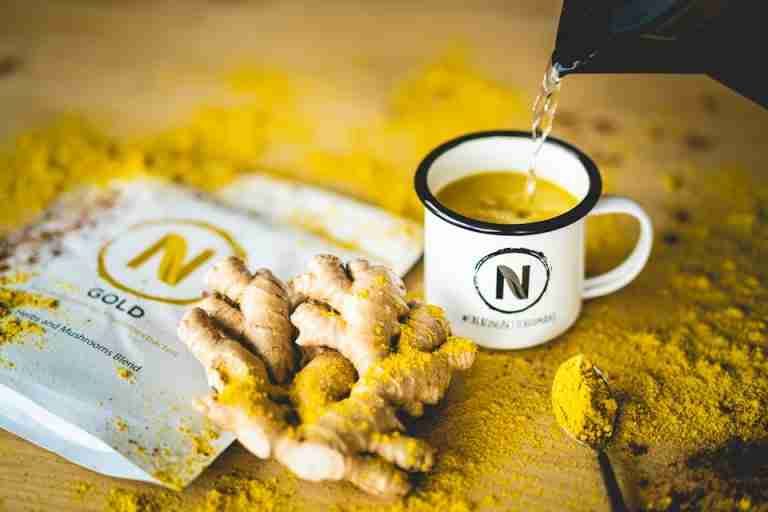
Research highlights ginger's ability to alleviate nausea caused by motion sickness, pregnancy, or chemotherapy. A study found that ginger reduced nausea symptoms in 70% of participants. For those prone to motion sickness or dealing with morning sickness, sipping ginger tea could offer much-needed relief without the side effects of medication.
Moreover, ginger tea can aid digestion. By promoting the production of digestive enzymes, it helps break down food more efficiently. This can be particularly beneficial after a heavy meal or for those with chronic digestive issues. For instance, individuals with indigestion have found that a cup of ginger tea post-meal can significantly ease bloating and discomfort.
Ginger Tea: A Cost-Effective Alternative
Switching to ginger tea isn't just beneficial for health; it can also be easier on the wallet. Painkillers and digestive aids can add up financially, especially for those who rely on them regularly. A box of ginger tea bags, however, costs only a fraction of these medications and can last for weeks.
For those who prefer fresh ginger, the price remains reasonable. A small piece of ginger root, which can make several cups of tea, is often just a couple of dollars. This affordability makes ginger tea an accessible option for many, providing a simple way to manage pain and discomfort without breaking the bank.
Imagine the savings over time as one gradually replaces over-the-counter medications with this natural remedy. Beyond the financial aspect, there's a sense of empowerment in opting for a natural, self-prepared solution that aligns with a more holistic lifestyle.
The Calming Effect of Ginger on Stress
In today's fast-paced world, stress is a constant companion. Ginger tea might not just relieve physical discomfort but also help with stress management. The soothing aroma and warmth of the tea can promote relaxation and reduce anxiety levels.
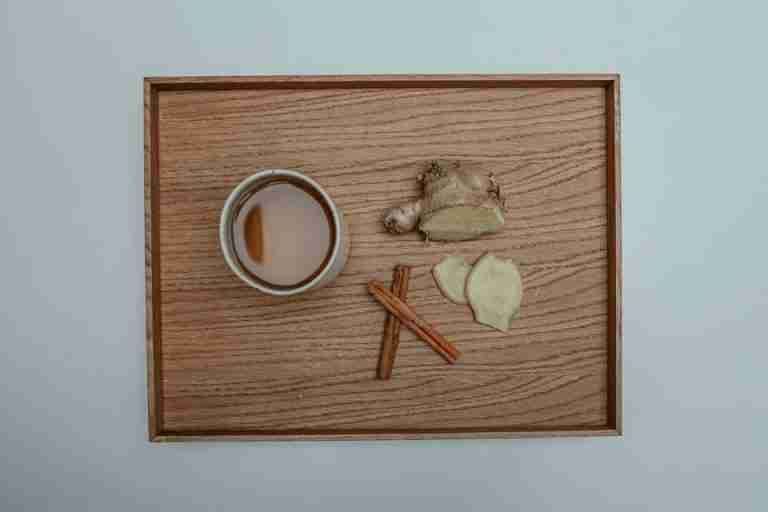
Many find that taking a moment to brew and enjoy a cup of ginger tea serves as a form of meditation. This ritual allows for a pause in the day, helping to reset and recharge. Additionally, some studies suggest that ginger may have a direct impact on stress hormones, contributing to a calmer state of mind.
Incorporating ginger tea into a daily routine could be a small yet significant step towards better mental health. It's a natural way to combat stress, offering a moment of peace in an otherwise hectic day.
For example, consider incorporating a daily afternoon break with ginger tea to counteract the mid-day slump. This practice not only rejuvenates the mind but also fosters a sense of mindfulness, enhancing overall productivity and mood.
DIY Ginger Tea: Simple Steps to Brew at Home
Making ginger tea at home is as straightforward as it gets. Here's a quick guide to brewing the perfect cup:
- Slice Fresh Ginger: Use about a thumb-sized piece of ginger. Peel and slice it thinly to maximize flavor.
- Boil Water: Bring a pot of water to a boil. For a single serving, about 1-2 cups should suffice.
- Simmer Ginger: Add the sliced ginger to the boiling water. Reduce heat and let it simmer for 10-15 minutes, depending on how strong you like your tea.
- Strain and Serve: Use a strainer to remove the ginger pieces, pouring the tea into a cup. Add honey or lemon for extra flavor if desired.
For those who prefer a spicier kick, adding more ginger or letting it simmer longer can enhance the flavor. Alternatively, using a ginger tea bag can be a convenient option for those short on time.
If you're feeling adventurous, try adding a pinch of cinnamon or a few mint leaves for a different twist. These additions can complement the ginger's natural spiciness and provide additional health benefits, such as improved circulation and added antioxidants.
The Role of Ginger in Boosting Immunity
Ginger tea isn't just about managing pain and stress; it can also play a role in boosting immunity. The antioxidant properties of ginger support the immune system by fighting off free radicals. This makes it a valuable ally during cold and flu season.
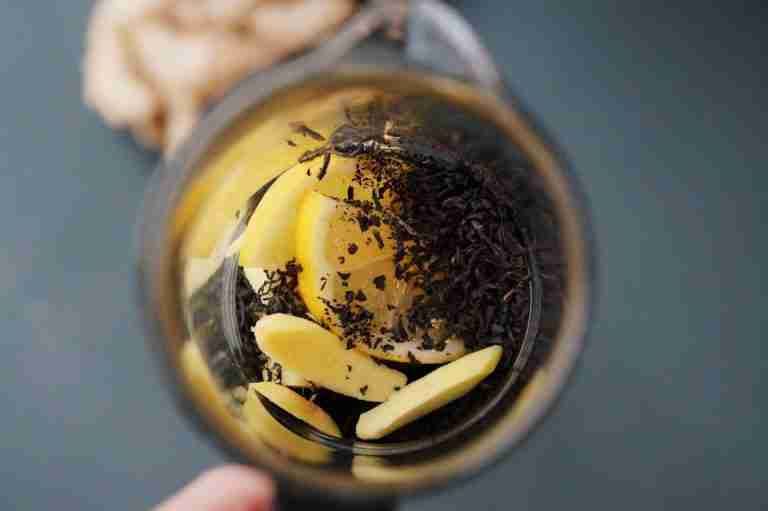
Some studies suggest that ginger can help reduce the severity of colds and even shorten their duration. By regularly consuming ginger tea, one can bolster their immune defenses, making it easier to fend off common illnesses.
It's important to note that while ginger tea can support immune health, it should complement other healthy practices like a balanced diet and regular exercise. Consider pairing your ginger tea with lemon and honey for an added boost of vitamin C and antimicrobial properties, enhancing the tea's immune-boosting effects.
Practical Tips for Incorporating Ginger Tea
Making ginger tea a part of daily life doesn't have to be daunting. Here are some practical tips to get started:
- Morning Ritual: Begin the day with a cup of ginger tea to kickstart digestion and reduce morning stiffness.
- Afternoon Pick-Me-Up: Instead of coffee, opt for ginger tea to avoid caffeine jitters while still feeling refreshed.
- Evening Relaxation: Unwind with a cup of ginger tea to help de-stress and prepare for a good night's sleep.
For those interested in exploring more about ginger tea, websites like Healthline offer in-depth articles on its benefits. WebMD provides a comprehensive look at how ginger can impact health.
To make this habit stick, consider setting reminders on your phone or placing ginger tea bags in visible spots around your home or workplace. This will serve as a gentle prompt to take a moment for yourself, encouraging a regular practice that can enhance overall well-being.
Understanding the Limitations
While ginger tea offers numerous benefits, it's essential to recognize its limitations. It's not a cure-all and may not completely replace medications for everyone. Individuals with certain medical conditions or those on specific medications should consult healthcare professionals before making significant changes.
Ginger can interact with blood-thinning medications and affect blood sugar levels. Therefore, understanding these interactions is crucial for safe consumption.
A Simple Step Towards Better Health
Switching to ginger tea offers a natural, cost-effective, and soothing alternative to painkillers and other medications. By incorporating this simple beverage into daily routines, many find relief from pain, nausea, and stress, along with added benefits like improved digestion and immunity support.
Here's what you can do today: brew a cup of ginger tea and see how it fits into your lifestyle. Whether it's for its anti-inflammatory properties or its calming effect, ginger tea could be the small yet impactful change you've been looking for.
Explore ginger tea options at your local grocery store or check out Traditional Medicinals for organic tea options. Take this step towards a healthier, more balanced life.