Why That Afternoon Slump Isn’t About Coffee
Ever found yourself struggling to keep your eyes open at 3 PM, even with a cup of coffee in hand? You're not alone. Many experience this notorious afternoon slump, often reaching for yet another caffeine fix, hoping it w
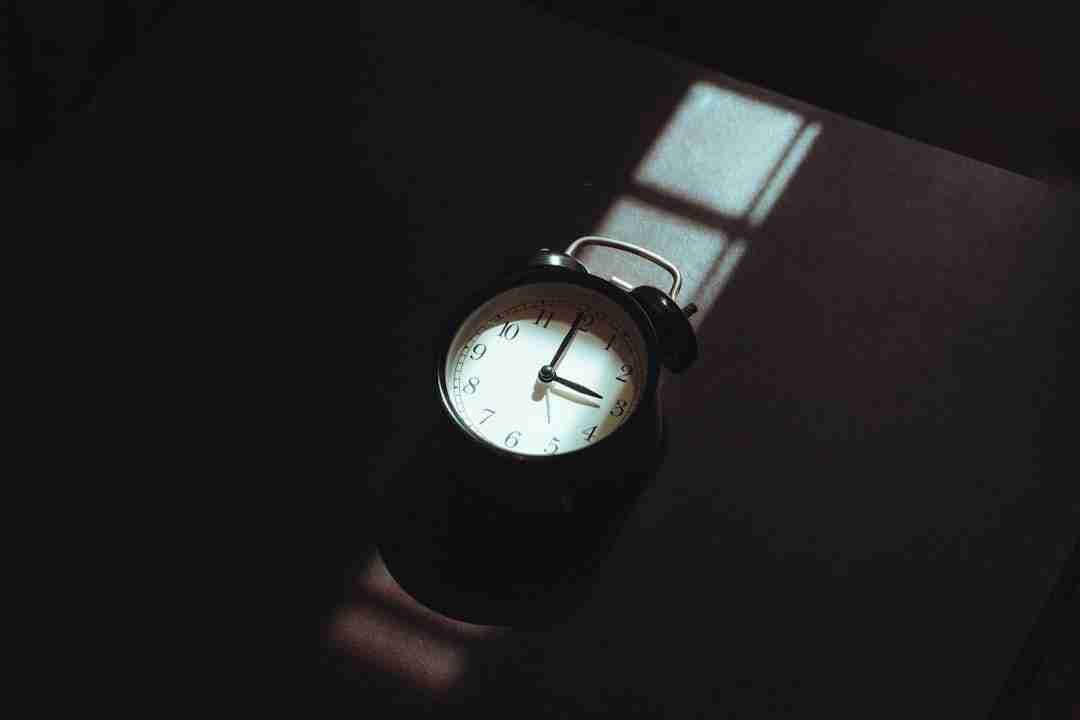
Ever found yourself struggling to keep your eyes open at 3 PM, even with a cup of coffee in hand? You're not alone. Many experience this notorious afternoon slump, often reaching for yet another caffeine fix, hoping it will jolt them back to life. But here's the kicker: that energy dip isn't necessarily about needing more coffee. In fact, there are several other factors at play, and understanding them can help you tackle that slump more effectively.
The Science Behind Your Internal Clock
The afternoon slump is closely tied to the body's natural circadian rhythms. These are physical, mental, and behavioral changes that follow a daily cycle, responding primarily to light and darkness in the environment. Research shows that for most people, these rhythms dictate a lower energy period in the late afternoon, typically between 1 PM and 3 PM. It's not just you; it's biology.
Interestingly, this dip often coincides with the post-lunch period, leading many to mistakenly blame their meal. While a heavy lunch can contribute to drowsiness, the circadian rhythm plays a more significant role. To combat this, consider aligning your most demanding tasks with your natural peak energy levels, usually in the late morning. Planning your day with this rhythm in mind can keep productivity high when it matters most. For instance, scheduling meetings that require creative thinking or problem-solving during the morning can capitalize on peak alertness.
The Role of Blood Sugar and Meals
What you eat can also significantly influence your afternoon energy levels. High-carb meals, particularly those with refined sugars, can lead to rapid spikes and subsequent crashes in blood glucose levels. This fluctuation can leave you feeling sluggish and unfocused.
Instead, aim for a balanced meal with a mix of protein, healthy fats, and complex carbohydrates. For instance, a lunch consisting of grilled chicken, quinoa, and a side of leafy greens can provide sustained energy without the dramatic blood sugar spikes. Incorporating snacks like almonds or a piece of fruit can also help maintain steady energy levels throughout the day. Consider preparing meals in advance to ensure you have healthy options readily available, reducing the temptation to grab processed foods.
Hydration: The Overlooked Factor
Dehydration is a common yet often overlooked cause of fatigue. Even mild dehydration can impair concentration, mood, and physical performance. Many people reach for coffee without realizing that it might exacerbate dehydration due to its diuretic effect.
Start your day with a glass of water and continue sipping throughout. If plain water doesn't appeal, infuse it with slices of citrus or cucumber for a refreshing twist. Keeping a water bottle at your desk can serve as a visual reminder to hydrate regularly. You'll likely find that maintaining hydration helps keep the afternoon slump at bay more effectively than yet another cup of coffee. Aim for at least eight 8-ounce glasses of water a day, but adjust based on your activity level and environment.
Movement and Micro-Breaks
Sitting for extended periods can intensify feelings of tiredness. The human body wasn't designed for prolonged inactivity, and the afternoon slump can be a signal to move. Short breaks for physical activity can boost mental clarity and energy levels.

Consider incorporating micro-breaks into your afternoon routine. A quick five-minute walk or a series of simple stretches at your desk can make a significant difference. Tools like Pomodoro timers can help structure these breaks into your workday, ensuring you stay refreshed and focused. Even standing up for a moment and performing a few deep knee bends can increase blood flow and invigorate your mind.
Light Exposure and Its Impact
Exposure to natural light plays a crucial role in regulating circadian rhythms. Insufficient daylight exposure, especially during the shorter days of winter, can contribute to lethargy and sleepiness.
Whenever possible, step outside during daylight hours, even if only for a brief walk. If getting outside isn't an option, consider using a light therapy box. These devices mimic natural sunlight and can help regulate your body's internal clock, reducing the afternoon slump's impact. It's a small change that can lead to big improvements in how you feel and function. Positioning your workspace near a window can also maximize natural light exposure during the day.
The Power of a Power Nap
A short nap, often referred to as a power nap, can be a game-changer for afternoon energy levels. Research suggests that a nap of 10 to 20 minutes can enhance alertness and performance without leaving you groggy.
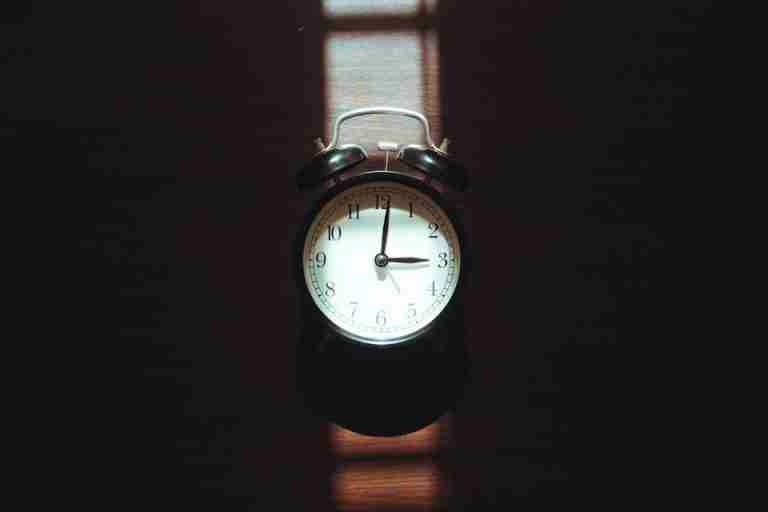
If your schedule and environment allow, find a quiet space to close your eyes for a few minutes. Set an alarm to ensure you don't oversleep. Apps like Pzizz can provide soothing sounds or guided relaxation to help you make the most of your nap time. This brief pause can rejuvenate your mind and prepare you to tackle the rest of the day. Try incorporating a nap into your routine when you know you'll be working late, as it can extend your productivity window.
Stress Management Techniques
Chronic stress can sap energy and focus, exacerbating the afternoon slump. Implementing stress management techniques can help maintain energy levels and improve overall well-being.
Mindfulness practices, such as meditation or deep breathing exercises, can be effective in reducing stress. Even a few minutes of focused breathing can lower cortisol levels and increase feelings of calm. Try using apps like Headspace for guided meditations that fit into your busy schedule. By managing stress, you contribute to a more balanced energy throughout the day. Journaling or engaging in a hobby for a few minutes can also provide a mental break and reduce stress.
Creating a Restful Sleep Environment
Quality nighttime sleep is foundational to daytime energy. A poor night's sleep can make the afternoon slump feel even more pronounced. Establishing a restful sleep environment can improve the quality of your sleep and, in turn, how you feel during the day.
Keep your bedroom cool, dark, and quiet. Invest in a comfortable mattress and pillows. Limit exposure to screens before bedtime, as the blue light emitted can interfere with sleep quality. Consider using tools like f.lux to reduce blue light exposure on devices in the evenings. By prioritizing sleep, you set the stage for more consistent energy levels. Developing a bedtime routine, such as reading or taking a warm bath, can signal to your body that it's time to wind down.
Making an Action Plan
The afternoon slump doesn't have to be an inevitability. By understanding its causes and implementing these strategies, you can better manage your energy levels. Start by identifying which factors are most relevant to your situation. Is it your meal choices, hydration, or perhaps your sleep quality?
Experiment with one or two changes at a time. Maybe start by swapping out a high-carb lunch for something more balanced, or commit to drinking an extra glass of water each day. Pay attention to how these adjustments affect your energy. Small, consistent changes often lead to the most sustainable improvements.
Here's what you can do today: Choose one area to focus on, whether it's meal planning, hydration, or stress management. Set a simple, achievable goal, and track your progress. Over time, these small steps can lead to a significant transformation in how you feel each afternoon.
By addressing the root causes of the afternoon slump, you can reclaim those hours and turn them into a productive, enjoyable part of your day.