Why Your Daily Stretch Routine Needs a Shake-Up
Ever notice how your daily stretch routine feels more like a chore than a revitalizing practice? If stretching has become a monotonous task rather than a moment of relief, it might be time for a shake-up. A stagnant rout

Ever notice how your daily stretch routine feels more like a chore than a revitalizing practice? If stretching has become a monotonous task rather than a moment of relief, it might be time for a shake-up. A stagnant routine can lead to plateaus in flexibility and even cause unnecessary strain on your muscles. How can you breathe new life into your daily stretches? The answer lies in diversity and adaptation, ensuring your body reaps the full benefits.
Why Sticking to the Same Stretch Routine Can Backfire
Sticking to the same stretch routine might feel comforting, but it can actually be counterproductive. Muscles adapt to repetitive movements, leading to diminishing returns. If you always perform the same stretches, your flexibility improvements may plateau. Worse yet, you might inadvertently create imbalances by overworking certain muscle groups while neglecting others.
Consider this: a study conducted by the University of California found that varying exercise routines, including stretching, can lead to a 30% increase in overall flexibility compared to static routines. This variety ensures different muscle fibers are engaged, promoting balanced strength and flexibility.
To put this into practice, try rotating your stretches every few weeks. For example, if you typically perform a seated forward bend, switch to a standing forward fold or incorporate a spinal twist. This simple change can activate different muscle groups and keep your routine dynamic.
Incorporating Dynamic Stretching for Better Mobility
Many people are familiar with static stretching, where you hold a position for a set period. But dynamic stretching can be a game-changer. These movements mimic the activity you’re about to perform, improving mobility and reducing the risk of injury.
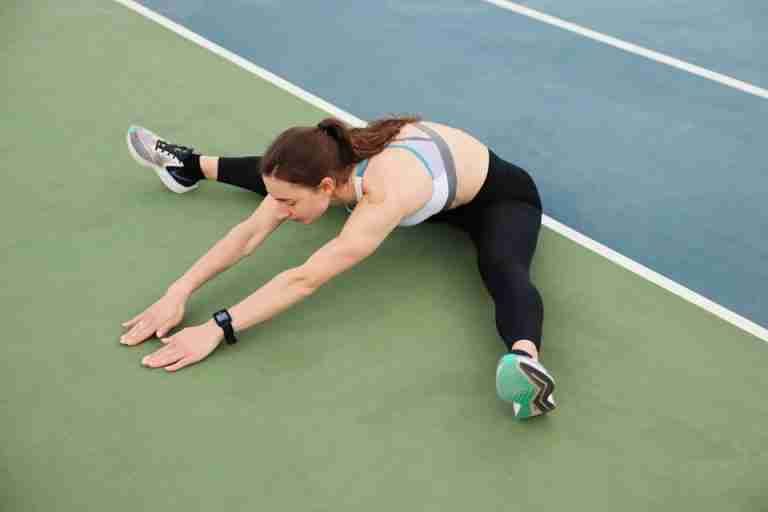
A classic example is the leg swing, a dynamic stretch that prepares the lower body for running or cycling. By incorporating movements like arm circles or hip circles, you activate muscles and increase blood flow, preparing your body for more vigorous activities. Experts suggest incorporating dynamic stretches before workouts for optimal performance and reduced muscle stiffness.
Dynamic stretching is also beneficial for enhancing coordination and balance. Activities like high knees or walking lunges not only stretch the muscles but also engage the core and improve alignment. This holistic approach ensures your body is well-prepared for any physical activity.
The Power of PNF Stretching: A 40% Flexibility Boost
Proprioceptive Neuromuscular Facilitation (PNF) stretching might sound complex, but it's a highly effective technique used by physical therapists and athletes alike. This method involves stretching a muscle to its limit, then contracting it for a few seconds before stretching it further.
Research published in the Journal of Strength and Conditioning Research indicates that PNF stretching can increase flexibility by up to 40% more than traditional static stretching. This method essentially tricks the muscle into relaxing further, allowing for a deeper stretch. Incorporating PNF stretches like the hamstring hold-relax can significantly enhance your flexibility routine.
For those new to PNF stretching, starting with a partner can be helpful. A partner can provide resistance and help guide your movements, ensuring you achieve the correct intensity and form. As you become more familiar with the technique, you can perform PNF stretches solo with the help of resistance bands or a sturdy wall.
Mixing in Tools: Foam Rollers and Resistance Bands
Using tools like foam rollers and resistance bands can add a new dimension to your stretching routine. Foam rolling acts as a form of self-myofascial release, breaking up knots in muscle tissue and improving circulation. It's like giving your muscles a mini massage, which can be particularly beneficial after intense workouts.
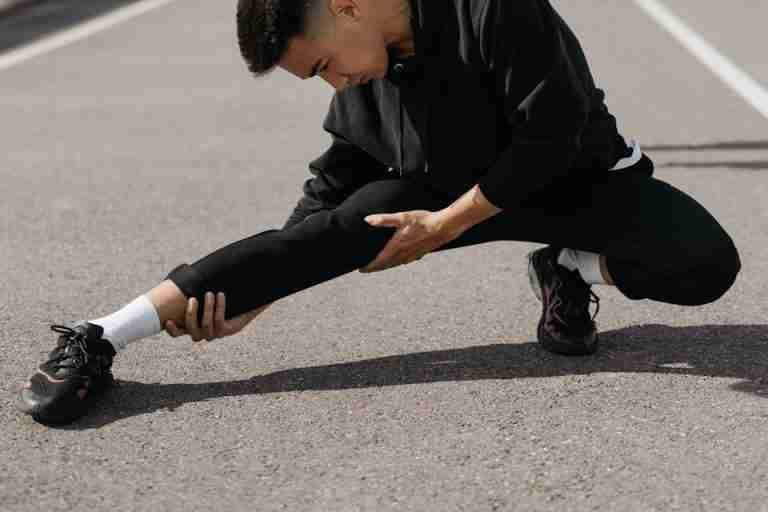
When using a foam roller, focus on areas that feel tight or sore, such as the calves, quadriceps, or upper back. Roll slowly over the muscle, pausing on any tender spots for 20-30 seconds to allow the muscle fibers to release.
Resistance bands, on the other hand, can help deepen stretches and enhance muscle activation. Incorporating a TheraBand into your stretching can increase the intensity and effectiveness of your routine, allowing you to target specific muscle groups with precision.
For example, use a resistance band for hamstring stretches by looping it around your foot and gently pulling your leg towards you. This added resistance can improve flexibility over time and is especially beneficial for those recovering from injuries or with limited mobility.
How Yoga and Pilates Can Refresh Your Stretching Routine
Integrating practices like yoga and Pilates into your stretch routine can offer a holistic approach to flexibility and strength. Both disciplines emphasize control, breathing, and proper alignment, which can enhance the effectiveness of your stretches.
Not only do yoga and Pilates improve flexibility, but they also promote core strength and balance. A Yoga with Adriene session or a Pilates Anytime class can introduce new stretches and techniques, providing variety and preventing the monotony of a static routine.
Incorporating yoga and Pilates into your routine can also support mental well-being. The focus on breath and mindfulness can reduce stress and increase your overall sense of calm. This mental shift can make your stretching practice more enjoyable and sustainable in the long term.
Setting a Routine that Adapts to Your Needs
Creating a stretch routine that adapts to your needs involves regular assessment and flexibility in approach. Consider keeping a journal to track your progress and identify areas that need more attention. If your hips feel tight, integrate more hip-openers like lunges or seated stretches.
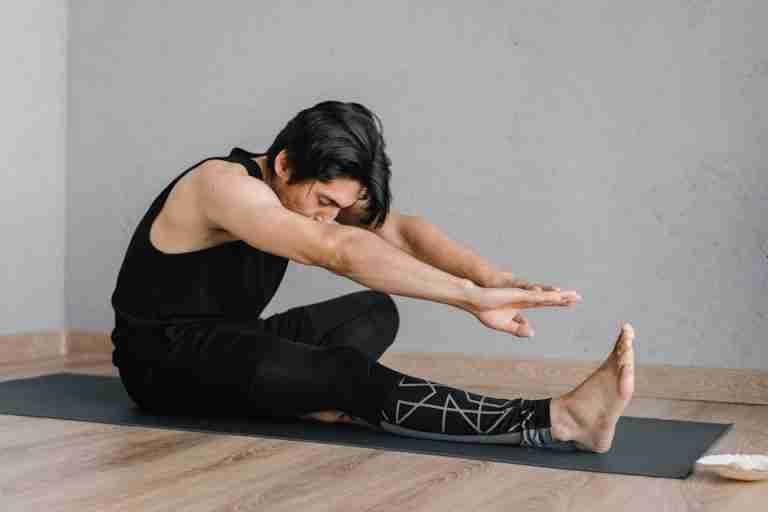
Feedback from your body is crucial. If a stretch feels too easy, it's time to progress to something more challenging. Conversely, if a stretch causes pain, it needs modification or replacement. Listening to your body ensures a safe and effective routine tailored to your needs.
Set aside time each week to re-evaluate your routine, adjusting as needed to accommodate any changes in your fitness goals or physical condition. This proactive approach helps maintain motivation and ensures continuous improvement.
The Role of Technology in Personalizing Your Stretch Routine
Technology offers innovative ways to personalize your stretch routine. Apps like StretchIt provide guided sessions tailored to your goals, whether it's improving flexibility or relieving tension. These apps often include video tutorials, allowing you to learn new techniques and ensure proper form.
Wearable devices can also track your flexibility improvements over time, providing data-driven insights into what works best for you. This approach allows for a more personalized routine, ensuring you get the most out of every session.
Consider setting reminders or alerts on your devices to stay consistent with your routine, and use the data collected to celebrate milestones and adjust your goals as needed. This integration of technology can make your stretching practice more engaging and goal-oriented.
Immediate Steps to Revitalize Your Stretching Practice
Ready to shake up your routine today? Start by evaluating your current stretches. Are there any that feel too easy or ineffective? Replace static stretches with dynamic ones for your warm-ups. Experiment with PNF techniques for deeper stretches.
Incorporate tools like foam rollers and resistance bands to add variety and intensity. Consider joining a yoga or Pilates class to learn new stretches and techniques. Finally, explore technology like apps or wearables to keep your routine fresh and tailored to your needs.
By diversifying your stretch routine, you not only break the monotony but also optimize your flexibility and overall well-being. The key is to remain curious and open to trying new approaches, ensuring your body remains agile and resilient.