Dancing in the Rain: A Joyful Approach to Mindful Movement
Imagine stepping outside on a drizzly day, the kind where most would rush to seek shelter. But instead of retreating, some choose to dance. This isn't merely about whimsical abandon; it's about embracing mindful movement

Imagine stepping outside on a drizzly day, the kind where most would rush to seek shelter. But instead of retreating, some choose to dance. This isn't merely about whimsical abandon; it's about embracing mindful movement, a practice that connects the body to the present moment. The idea of dancing in the rain serves as a metaphor for finding joy and mindfulness in movement, regardless of the circumstances. Here’s how this can be a transformative approach to living more fully.
Mindful Movement: A Pathway to Presence
Mindful movement isn't restricted to yoga or tai chi, although those are popular forms. It’s about bringing awareness to physical motion, whether you're walking, stretching, or indeed, dancing. The goal is to focus on the sensations in the body and the rhythm of the breath rather than being consumed by thoughts. Research shows that such practices can significantly reduce anxiety and depression by anchoring the mind in the here and now.
Consider this: When you're engaged in mindful movement, you're not just exercising; you're practicing a form of meditation. This can be as simple as a short daily walk where you notice the crunch of leaves underfoot or the wind on your face. The key is to engage fully with these experiences, allowing them to become a form of moving meditation. By doing so, you transform a routine activity into a powerful exercise in mental presence, one that can be both calming and invigorating.
Mindful movement can be incorporated into daily routines with just a few adjustments. For instance, while brushing your teeth, pay attention to the sensations in your arm as you move the brush. Or, when climbing stairs, notice the pressure on your feet and the contraction of your muscles. These small shifts in attention can create pockets of mindfulness throughout your day, gradually building a habit of presence.
How Dancing in the Rain Can Boost Mood
Dancing in the rain isn't just about the novelty of getting wet. It's an invitation to engage with the world in an unexpected way, breaking free from routine constraints. This act of spontaneity can lead to the release of endorphins, those feel-good hormones that enhance mood. In fact, studies suggest that dance, in any form, can improve emotional well-being and even reduce symptoms of depression.
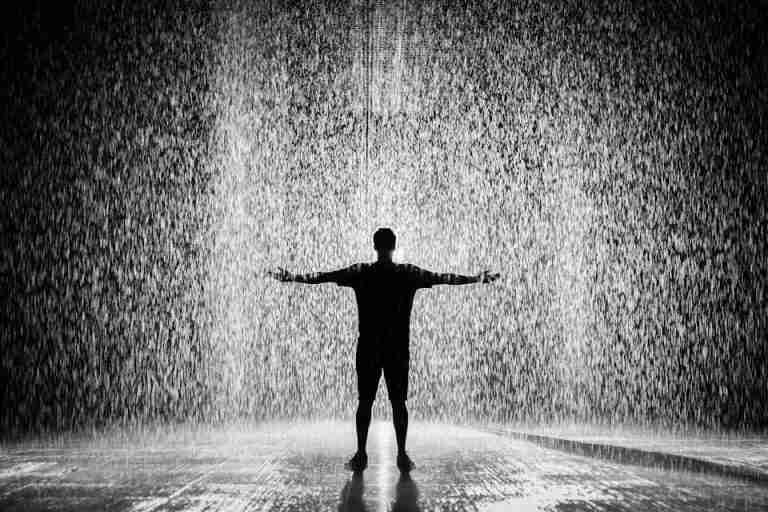
The beauty of dancing in the rain is that it removes expectations. There's no right or wrong way to move. This freedom allows for a genuine connection to the body's natural rhythms, which can be incredibly liberating. For those looking to try this, start with a slow sway and feel the raindrops on the skin. Let the movement be guided by the music of the rain itself. Such an experience can be a profound reminder of the simple joys of life and the power of going with the flow.
To enhance this experience, consider playing music that complements the mood of the rain. Slow, melodic tunes can deepen the meditative aspect, while upbeat tracks might inspire more energetic movements. The combination of natural sounds and music can create a symphony that encourages creative expression and emotional release.
The Science Behind Movement and Mindfulness
Why does mindful movement work? It comes down to the interaction between body and mind. Engaging in physical activity with awareness activates the parasympathetic nervous system, which calms the body. This is why practices like yoga and tai chi are renowned for their stress-relieving benefits. But you don't need a mat or a studio to achieve these effects.
Incorporate mindfulness into everyday activities. Try mindful dishwashing: feel the warm water, notice the texture of the soap, and hear the clinking of dishes. Or, during your next workout, pay attention to each muscle contracting and releasing. The idea is to be fully present in whatever you're doing, which can transform mundane tasks into opportunities for mindfulness.
This connection between movement and mindfulness is supported by neuroscience. Studies have shown that mindful practices can alter brain structure and function, enhancing areas associated with emotional regulation and attention. By regularly engaging in mindful movement, you are not only improving physical health but also cultivating a more resilient and focused mind.
Tools and Apps to Support Mindful Movement
For those who want to explore mindful movement but need a little guidance, several apps can help. Headspace offers guided meditations that include sessions focused on moving with awareness. Similarly, Calm provides breathing exercises that complement physical activity, helping to maintain focus on the present moment.

For a tech-free option, consider setting reminders throughout the day to pause and check in with your body. Apps like Google Keep can help set these reminders. When the alert goes off, take a few moments to stretch, breathe, and be aware of your surroundings. This practice encourages regular engagement with mindful movement, making it a part of daily life.
In addition to apps, consider using wearables like fitness trackers to remind you to move mindfully. Many devices offer gentle reminders to stand or move, which can be an excellent cue to practice mindfulness. Even traditional tools like a simple timer can serve as a prompt to pause and engage in a mindful breathing exercise.
Making Mindful Movement a Daily Habit
Establishing a routine is key to reaping the benefits of mindful movement. Professionals note that consistency is more impactful than duration. Start with just five minutes a day. Set a time that works best, perhaps in the morning to set the tone for the day, or in the evening to unwind.
Create an environment that supports mindfulness. This could mean finding a quiet space at home or a favorite spot in a local park. The aim is to minimize distractions. Over time, this daily practice becomes second nature, seamlessly integrating into one's lifestyle.
To maintain motivation, consider tracking your practice. Whether you use a journal or a digital app, recording your experiences can provide insight into your progress and help reinforce the habit. Reflecting on your entries might reveal patterns and preferences, guiding you towards the most fulfilling mindful movement practices.
Mindful Movement in Group Settings
While solo practice is beneficial, engaging in mindful movement with others can enhance the experience. Group activities, like dance classes or mindful walking groups, add a social element that can increase motivation and enjoyment. According to research, the sense of community in group settings can boost adherence to regular practice and improve psychological outcomes.

For those interested, check out local community centers or online platforms offering group sessions. Websites like Meetup can connect you with nearby groups focused on mindfulness and movement. Engaging with others not only enriches the experience but also fosters a sense of belonging.
Participating in group sessions can also introduce you to new techniques and perspectives. Observing others can inspire your practice and encourage you to explore movements you might not try on your own. The shared experience can create a supportive environment where everyone learns and grows together.
Starting Your Own Mindful Movement Practice
Ready to start your own practice? Begin with these steps:
-
Choose Your Activity: Whether it's dancing, walking, or stretching, pick an activity you enjoy. The more you love it, the easier it will be to stay consistent.
-
Set an Intention: Before starting, set a clear intention for your session. This could be to find calm, to connect with the body, or simply to enjoy the movement.
-
Focus on Sensations: Pay attention to physical sensations, breathing, and the environment. Notice how each movement feels without judgment.
-
Reflect Afterwards: After your session, take a moment to reflect on how you feel. This can deepen your appreciation for the practice and reinforce its benefits.
-
Stay Open and Flexible: Allow your practice to evolve. Some days might be more challenging, and that's okay. The key is to remain open to whatever the experience brings.
For those who thrive on structure, consider creating a routine with a mix of activities to keep things fresh and engaging. Experiment with different times of day, environments, and music to discover what resonates most with you. Remember, the goal is to find joy and presence in movement, so let your practice be as dynamic as it is mindful.
The Transformative Power of Mindful Movement
Incorporating mindful movement into daily life can be a game-changer. It’s not about perfecting a pose or mastering a dance step. It’s about cultivating a deeper connection to the self and the present moment. This practice nurtures both physical and mental health, offering a refuge from the busyness of modern life.
The next time you find yourself caught in a sudden rain shower, consider stepping into the rhythm, even for a few moments. Embrace the spontaneity and joy that comes from moving mindfully. It might just transform the way you interact with the world around you.