The Surprising Peace of Mind You Find on Forest Walks
Imagine standing on a soft carpet of pine needles, surrounded by towering trees that seem to reach for the sky. The air is crisp, and the only sounds are the gentle rustling of leaves and the distant call of a bird. In t

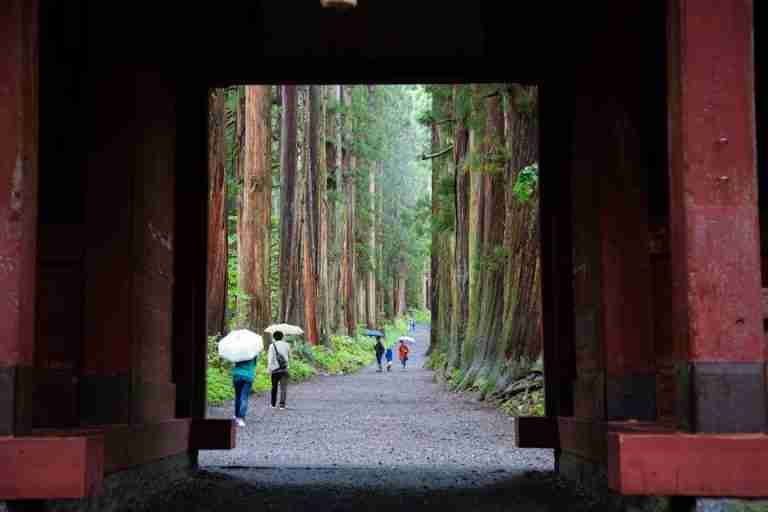
Imagine standing on a soft carpet of pine needles, surrounded by towering trees that seem to reach for the sky. The air is crisp, and the only sounds are the gentle rustling of leaves and the distant call of a bird. In this moment, the stress and noise of everyday life feel a world away. Many find that forest walks offer a surprising sense of peace and clarity that can be hard to come by in our fast-paced world. The benefits of spending time in nature, especially in a forest setting, are both profound and scientifically supported.
Forest Bathing: A Japanese Practice for Modern Stress
The practice of "forest bathing," or Shinrin-yoku, originated in Japan in the 1980s and has since gained international popularity. This practice involves immersing oneself in the forest atmosphere, not through exercise or hiking, but by simply being present and mindful of the surroundings. Research shows that forest bathing can reduce stress hormone levels, lower blood pressure, and even improve mood. The practice has become so popular that there are now guided forest bathing sessions available in many parts of the world.
One study conducted by the Center for Environment, Health and Field Sciences in Japan found that participants who engaged in forest bathing experienced a significant decrease in cortisol, a hormone commonly associated with stress. The results were clear: spending time in the forest can have a real and measurable impact on stress levels.
To enhance the experience of forest bathing, consider incorporating gentle activities like deep breathing exercises or stretching. These can further promote relaxation and help you focus on the sensory experiences of the forest. Many guides suggest taking slow, deliberate steps and paying close attention to the rhythm of your breathing, which can deepen the meditative aspect of the practice.
The Role of Phytoncides in Enhancing Well-Being
When walking through a forest, you might notice a distinct, earthy scent in the air. This is due to phytoncides, which are natural oils emitted by trees and plants. These compounds not only protect plants from insects and bacteria but also provide numerous health benefits to humans. Inhaling phytoncides has been shown to boost the immune system by increasing the number of natural killer cells, which play a role in fighting off infections and diseases.
A study published in the International Journal of Immunopathology and Pharmacology found that after a three-day, two-night forest trip, participants showed increased activity of natural killer cells lasting more than 30 days. This means that regular forest walks can potentially lead to long-term health benefits.
To maximize exposure to phytoncides, consider visiting forests with a high density of coniferous trees, which are known for their rich phytoncide emissions. You could also try visiting different forests throughout the year to experience the varied scents and benefits that different seasons and tree species offer.
Mindfulness and the Art of Being Present
In today's digital age, being constantly connected to technology can lead to feelings of overwhelm and anxiety. Forest walks offer a unique opportunity to disconnect from screens and reconnect with the present moment. By focusing on the sights, sounds, and smells of the forest, one can practice mindfulness—a state of active, open attention to the present.
Mindfulness during a forest walk can be as simple as noticing the different shades of green in the leaves or the texture of the bark on a tree. Experts suggest that this practice of being present can help reduce symptoms of anxiety and depression by shifting focus away from negative thoughts and towards the immediate experience.
Consider incorporating mindfulness exercises such as focusing intently on one specific sound at a time, like the chirping of birds or the rustle of leaves. This focused attention can help ground you in the moment, providing a mental break from the stresses of daily life.
Cognitive Benefits: Boosting Creativity and Problem-Solving
The peacefulness of a forest walk can also enhance cognitive function. A study conducted by the University of Michigan found that participants who took a walk in a natural setting performed better on memory and attention tests compared to those who walked in an urban environment. The natural environment seems to offer cognitive benefits by restoring attention and reducing mental fatigue.

For those facing a creative block or a challenging problem, taking a forest walk can provide the mental space needed to gain new perspectives and insights. Many professionals note that stepping away from the problem and immersing oneself in nature can lead to breakthroughs that were previously elusive.
To further stimulate creativity, bring a small notebook or sketchpad to jot down thoughts or draw inspiration from the natural surroundings. This can help capture fleeting ideas that arise during a walk and provide a tangible connection between the natural environment and creative processes.
Planning Your Forest Walk: Practical Tips and Considerations
Embarking on a forest walk doesn't require much, but a few practical tips can enhance the experience. First, choose a location that is convenient yet offers a sense of escape. Websites like AllTrails provide detailed information about trails, difficulty levels, and user reviews, making it easier to find a suitable spot.
Dress appropriately for the weather and terrain. Comfortable shoes, layered clothing, and a hat are often recommended. Don't forget a water bottle, sunscreen, and insect repellent, especially in warmer months. For those new to forest walks, starting with a guided tour or group walk can be a great way to learn more about the local flora and fauna.
For added safety, inform someone of your plans and estimated return time, especially if venturing into less-traveled areas. Carry a small first aid kit and a fully charged phone, but remember to keep it on silent or in airplane mode to minimize distractions.
Incorporating Forest Walks into Your Routine
One of the most effective ways to reap the benefits of forest walks is to incorporate them into your regular routine. Scheduling a weekly or bi-weekly walk can provide consistent mental and physical health benefits. For city dwellers, even small patches of urban forests or parks can offer similar advantages.

Consider setting a specific day or time each week dedicated to this practice. Use it as an opportunity to disconnect from technology and reconnect with nature. Bringing a friend or family member along can make the experience more enjoyable and provide additional motivation to keep it consistent.
To keep the routine interesting, explore different trails or parks and observe how the environment changes with the seasons. This variety can keep the experience fresh and continually engaging.
Forest Walks as a Gateway to Other Outdoor Activities
For those looking to expand their outdoor experiences, forest walks can serve as an excellent gateway to other activities. From birdwatching and photography to sketching and meditation, the forest provides a versatile backdrop for a range of interests. Engaging in these activities can deepen one's connection to nature and provide additional outlets for relaxation and creativity.
Birdwatching, for instance, not only enhances observational skills but also encourages patience and focus. Websites like eBird offer tools and resources for bird enthusiasts, making it easy to get started. Similarly, nature photography can be a rewarding way to capture the beauty of the forest and hone artistic skills.
Consider joining local clubs or online communities focused on these activities. Connecting with others who share similar interests can provide a supportive network and enhance the enjoyment of your forest walks.
Taking the First Step: What You Can Do Today
The tranquility of a forest walk is something that anyone can experience, regardless of fitness level or experience with nature. To get started, research local parks or nature reserves that offer forested areas. Reach out to friends or family who might be interested in joining. Set a date, prepare your gear, and take that first step into the forest.
Even if a sprawling forest isn't nearby, urban parks and botanical gardens can offer similar benefits. The key is to immerse oneself in a natural setting, even if only for a short period. As research and personal testimonials suggest, the peace of mind found in nature is both real and accessible.
Incorporating forest walks into one's life can be a simple yet transformative practice. The benefits extend beyond mental health, touching on physical well-being, creativity, and social connection. So lace up those walking shoes and step into the forest—the peace and clarity found there might just surprise you.