Dancing Your Way to Balance: The Unexpected Perks of Moving with Joy
In a world that's constantly on the move, finding the right balance between mind and body often feels like chasing a mirage. Yet, there's a surprising ally in this quest for equilibrium—dance. It might sound unconvention
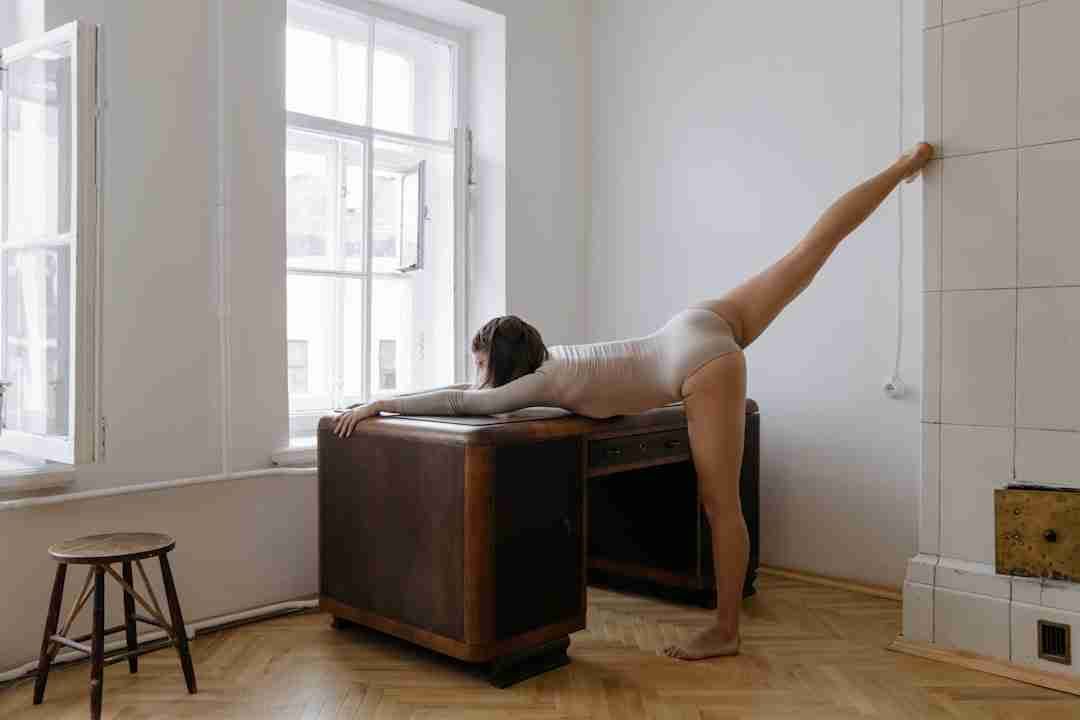
In a world that's constantly on the move, finding the right balance between mind and body often feels like chasing a mirage. Yet, there's a surprising ally in this quest for equilibrium—dance. It might sound unconventional, but dancing offers a unique blend of physical activity, mental engagement, and emotional expression that can significantly enhance your overall well-being. Whether it's a quick salsa in the kitchen or a structured ballroom class, the act of moving with joy can be a powerful tool for achieving mind-body wellness.
Boosting Mental Health with 30 Minutes of Dance
A study by the Arts in Psychotherapy journal found that just 30 minutes of dance can significantly reduce symptoms of depression and anxiety. The rhythmic patterns and physical exertion release endorphins, those feel-good hormones, which help improve mood and reduce stress. Imagine a hectic day at work, and instead of reaching for that extra cup of coffee, you opt for a short dance break. The results? A noticeable lift in spirits and a calmer mindset ready to tackle more challenges.
But it's not just about feeling good in the moment. Regular dancing can foster long-term mental health benefits. It encourages mindfulness, requiring focus and presence to keep up with the steps and rhythms. This mindfulness is a cornerstone of mental health, often linked to reduced stress and increased happiness. So, the next time stress levels rise, consider turning on your favorite tune and letting your body do the talking.
For those struggling with mental health, dance can serve as a form of self-care. It can be as simple as putting on headphones and dancing in the living room, an act that feels liberating and private. Importantly, this can be a non-verbal way to release pent-up emotions, providing a therapeutic experience that words might not be able to capture.
Physical Fitness Through Dance: Burning 200-400 Calories Per Hour
Physical fitness is often associated with rigorous gym routines or marathon running. Yet, dancing offers an enjoyable alternative that still packs a punch. Depending on the intensity, dance can burn between 200 and 400 calories per hour. That's comparable to a brisk walk or a light jog but with the added benefit of fun and creativity.
For those who find the treadmill tedious, dance provides a dynamic and varied workout. Take Zumba, for example—a popular dance fitness program that combines Latin music with easy-to-follow moves. It's a high-energy class that feels more like a party than exercise, making it easier to stick with over time. And the best part? You don't need to be a professional. The point is to move, sweat, and enjoy the process.
Consider experimenting with different dance styles to find the perfect fit for your fitness goals. For instance, ballet can improve posture and core strength, while hip-hop can enhance cardiovascular health. Even traditional folk dances from around the world offer unique benefits, incorporating both aerobic and anaerobic elements that challenge the body differently.
Social Connection: Joining a Dance Class for Community and Support
Humans are inherently social creatures, and the isolation many feel in today's digital age can be detrimental to mental and emotional health. Dance classes offer a remedy. They provide a space to meet like-minded individuals and form connections through shared movement and rhythm.
Whether it's a local salsa class or a community hip-hop workshop, these gatherings create a supportive environment where everyone is welcome, regardless of skill level. The camaraderie and collective joy experienced in dance classes can lead to lasting friendships and a sense of belonging. If you're looking to expand your social circle, consider checking out local dance studios or community centers that offer classes. Websites like Meetup can help you find dance groups in your area.
Joining dance classes can also open doors to cultural experiences, as many styles are deeply rooted in the traditions and histories of different communities. Participating in such classes can enhance cultural understanding and appreciation, enriching one's perspective while enjoying the social aspects of dance.
Cognitive Benefits: Enhancing Memory and Coordination through Dance
Dancing is not just a physical activity; it's a mental workout as well. Choreography requires concentration, memorization, and coordination—all of which boost cognitive function. Researchers at the Albert Einstein College of Medicine found that dancing frequently can improve brain health and even reduce the risk of dementia by up to 76%.
The act of learning and remembering dance steps activates several brain regions, improving memory and spatial awareness. For those looking to sharpen their minds, incorporating dance into a weekly routine can be highly beneficial. Even following along with dance tutorials on platforms like YouTube can help keep the brain engaged and active.
Incorporating dance into educational settings can be particularly beneficial for children and adolescents, enhancing their academic performance by improving concentration and problem-solving skills. Dance challenges the brain to think creatively and adaptively, skills that are invaluable both in educational contexts and in everyday life.
Emotional Expression: Using Dance as a Form of Therapy
Dance is more than just movement; it's a form of expression. It allows individuals to convey emotions and stories through their bodies, providing an outlet for feelings that might be difficult to articulate in words. Dance therapy, a recognized therapeutic approach, uses movement to support emotional, cognitive, and physical integration.
Consider attending a dance therapy session if traditional forms of therapy feel restrictive. These sessions often focus on the here and now, using movement to explore and release emotions. The therapeutic effects of dance are profound, offering a safe space to process and express complex emotions.
Dance can also be a powerful tool for healing from trauma. The act of dancing can help individuals reconnect with their bodies in a positive way, fostering a sense of control and empowerment. This is particularly beneficial for those who have experienced physical or emotional trauma, as dance provides a pathway to reclaim agency and rebuild trust with oneself.
Practical Tips: How to Incorporate Dance into Your Routine
If you're ready to experience the benefits of dance, start by setting aside time each week for movement. Here's how to begin:
-
Choose Your Style: Whether it's ballet, hip-hop, or belly dancing, start with a style that excites you. The key is to enjoy the process.
-
Set a Schedule: Like any habit, consistency is crucial. Aim for at least two dance sessions per week, even if they're just 15-minute breaks during your day.
-
Find Resources: Utilize online platforms like DancePlug for tutorials and classes. These resources offer a range of styles and skill levels.
-
Create a Dance Space: Clear a small area in your home where you can move freely. A mirror can help you see your movements and improve technique.
-
Invite Friends: Make it social. Invite friends or family to join your dance sessions, either virtually or in person.
-
Track Your Progress: Consider keeping a dance journal or recording your sessions to track improvements and celebrate milestones. This can be a motivating way to see how far you've come and set new goals.
By integrating dance into your routine, you're not just investing in your physical health but your mental and emotional well-being as well.
Dancing Through Life: A Path to Holistic Wellness
The journey to mind-body wellness doesn't have to be a daunting one. Dance offers a joyful, engaging way to balance the demands of life while nurturing the body and soul. It's a reminder that wellness isn't just about discipline and effort; it's about finding joy in movement and expression.
So, consider this: next time you feel life's pressures mounting, turn on your favorite song and let your body lead. Dance isn't just an activity; it's a celebration of life—a way to connect with yourself and others, all while fostering a healthier, happier you.