Exploring the Ancient Art of Herbal Sleep Elixirs
Imagine a world where falling asleep is as simple as sipping a warm, fragrant tea. In ancient times, this wasn't just a dream—it was a reality. Herbal sleep elixirs have been used for centuries to combat insomnia and fos
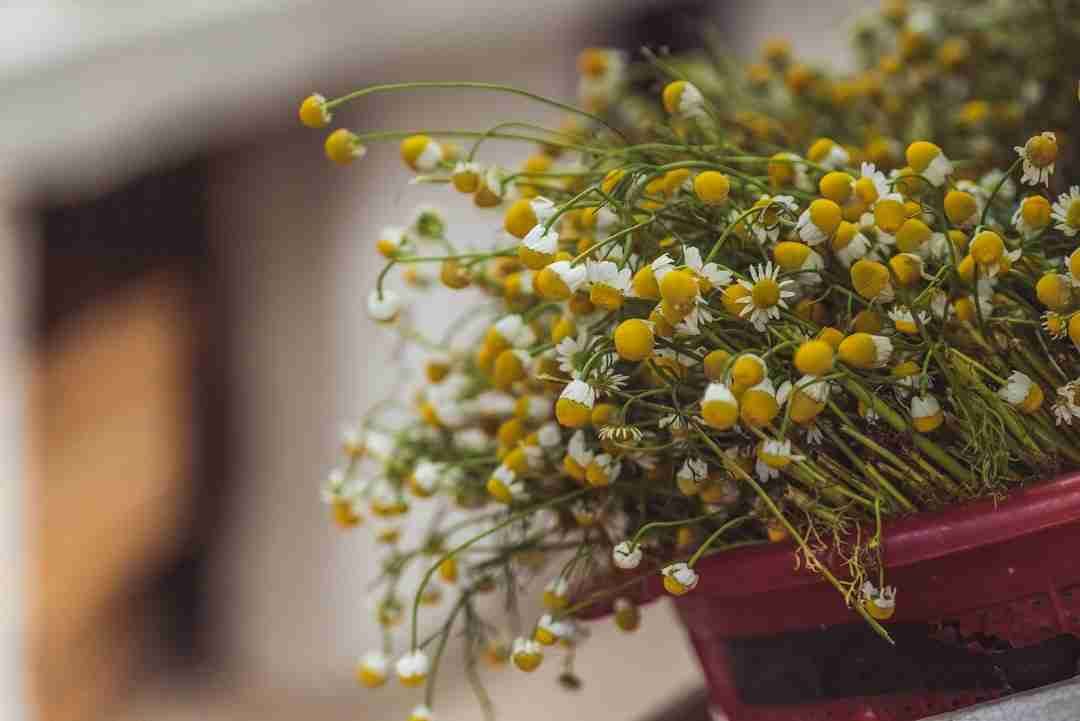
Imagine a world where falling asleep is as simple as sipping a warm, fragrant tea. In ancient times, this wasn't just a dream—it was a reality. Herbal sleep elixirs have been used for centuries to combat insomnia and foster restful nights. These age-old remedies, rooted in nature, offer a gentle yet effective alternative to modern pharmaceuticals. For those struggling with sleeplessness, understanding and exploring these herbal solutions could be the key to unlocking peaceful slumber.
Chamomile: The Gentle Sleep Inducer
Chamomile is arguably the most famous herbal remedy for sleep. Its calming effects are well-documented, backed by a significant amount of research. Chamomile contains apigenin, an antioxidant that binds to specific receptors in the brain that may decrease anxiety and promote sleep. Studies suggest that consuming chamomile tea before bed can significantly improve sleep quality.
Preparing chamomile tea is simple. Boil water, steep a chamomile tea bag or dried chamomile flowers for about five minutes, and enjoy. For enhanced effects, some prefer to add a teaspoon of honey or a splash of milk. Chamomile is widely available and can be found at most grocery stores or online retailers. It's worth noting that chamomile can be enjoyed not just as a tea, but also as part of a bedtime bath or in sachets tucked under your pillow, offering a multi-sensory approach to relaxation.
Valerian Root: A Potent Sleep Aid
Valerian root has been used since ancient Greece and Rome as a treatment for insomnia. It's known for its potent sedative properties, which are believed to stem from its interaction with gamma-aminobutyric acid (GABA), a neurotransmitter that reduces brain activity. This can lead to a calming effect that helps you fall asleep faster and enjoy deeper sleep.

Valerian root is typically consumed as a tea or in supplement form. When making tea, steep one teaspoon of dried valerian root in a cup of hot water for about 10 minutes. However, it's important to note that valerian can have a strong odor and taste, which some may find unpleasant. Valerian root supplements are an alternative, available at health food stores or online. To counteract the strong taste, consider blending valerian with other herbs like peppermint or lemon balm, which can mask the odor while enhancing its calming properties.
Lavender: More Than Just a Fragrance
Lavender is often associated with its soothing scent, but it also offers significant sleep-enhancing benefits. Research indicates that lavender can help reduce anxiety, slow the heart rate, and promote relaxation, making it easier to drift off to sleep. Inhaling lavender essential oil is a common method, but consuming it as a tea is also effective.
To make lavender tea, steep one tablespoon of fresh lavender blossoms or one teaspoon of dried lavender in boiling water for about five minutes. Strain and enjoy the aromatic, calming effects. For those interested in essential oils, adding a few drops of lavender oil to a diffuser in the bedroom can create a relaxing environment conducive to sleep. Additionally, lavender sachets placed under your pillow or a gentle mist of lavender spray on your linens can infuse your sleeping space with tranquility.
Passionflower: A Sleep Secret from the Tropics
Passionflower is less known but highly effective in promoting sleep. Native to the southeastern United States and Central and South America, passionflower has been used for centuries to treat anxiety and insomnia. Like valerian root, it interacts with GABA in the brain to produce a calming effect.

To prepare passionflower tea, steep one teaspoon of dried passionflower in a cup of hot water for about 10 minutes. This herbal infusion has a mild flavor that pairs well with other herbs like chamomile or lemon balm. Passionflower is available at herbal shops and online. For those who prefer not to drink tea, passionflower supplements or tinctures offer a convenient alternative, ensuring you can benefit from its calming properties in a form that suits your lifestyle.
Lemon Balm: The Calming Citrus Herb
Lemon balm, a member of the mint family, has a light lemon scent and flavor. It has been used since the Middle Ages to reduce stress and anxiety, and promote sleep. Research shows that lemon balm can help improve mood and cognitive function while easing insomnia symptoms.
Making lemon balm tea is straightforward. Use one to two teaspoons of dried lemon balm leaves per cup of boiling water, steep for 5 to 10 minutes, and enjoy. Lemon balm is also available as a supplement if the taste doesn't appeal to you. This versatile herb can be combined with other calming herbs for a more potent sleep aid. Consider growing lemon balm in a home garden; its fresh leaves can be used not only for tea but also in culinary dishes, adding a calming element to your daily meals.
Combining Herbs for a Custom Sleep Elixir
Combining different herbs can create a personalized sleep elixir tailored to specific needs. For instance, a blend of chamomile, valerian root, and passionflower can offer a powerful sleep-inducing effect, combining the best attributes of each herb. Experimenting with different combinations can help identify what works best for individual sleep issues.
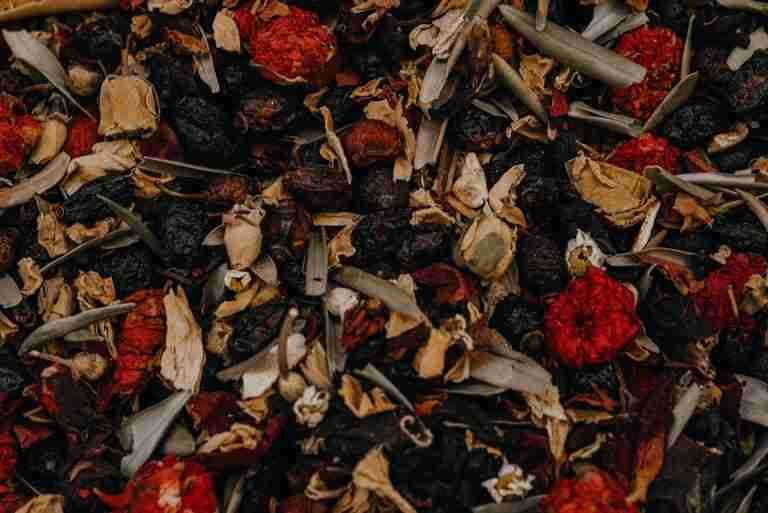
Start with equal parts of each herb, steep in hot water, and adjust the blend according to taste and effectiveness. Some might prefer a more chamomile-heavy mixture for its pleasant taste, while others might lean towards valerian for its strong sedative properties. Creating a log or journal of your experiences with different blends can provide valuable insights into what combinations yield the best results for your sleep patterns.
The Role of Ritual in Enhancing the Effects
The process of preparing and consuming an herbal sleep elixir can be as beneficial as the elixir itself. Establishing a bedtime routine that includes brewing and sipping herbal tea can signal to the body that it's time to wind down. The ritual provides a sense of calm and predictability, which can be particularly soothing after a hectic day.
Consider creating a designated tea time, perhaps an hour before bed, to enjoy your chosen herbal blend. Dim the lights, turn off electronic devices, and allow yourself to relax fully. This mindful practice can enhance the effects of the herbs and lead to more restful sleep. Incorporating other soothing activities, such as reading a book or practicing gentle yoga stretches, can complement your tea ritual and further ease the transition into sleep.
Safety and Considerations: When to Consult a Professional
While herbal sleep remedies are generally considered safe, it's important to approach them with caution. Some herbs can interact with medications or may not be suitable for individuals with certain health conditions. For example, valerian root can enhance the effects of sedatives, and passionflower might not be suitable for pregnant or breastfeeding women.
Consulting with a healthcare professional before starting any new herbal regimen is always wise. This ensures that the chosen herbs won't interfere with existing medications or health conditions. Keeping an open line of communication with your healthcare provider about your use of herbal remedies can help tailor a safe and effective sleep strategy that aligns with your overall health goals.
Incorporating Herbal Remedies into Your Lifestyle
Incorporating herbal sleep elixirs into your lifestyle can be a natural and effective way to improve sleep quality. Start by identifying which herbs resonate most with your needs and preferences. Experiment with different blends and rituals to find what works best. Over time, these ancient remedies can become a cherished part of your nightly routine, providing a gentle transition into restful sleep.
For more information on herbal remedies and where to find quality products, consider visiting Mountain Rose Herbs or exploring the offerings at Herb Pharm. Both sources offer a wide range of organic herbs and supplements to support your journey toward better sleep. Engaging with online communities and forums dedicated to herbal medicine can also offer valuable insights and shared experiences from others on similar paths toward improved sleep.
By embracing the ancient art of herbal sleep elixirs, you can tap into nature's wisdom and discover a path to more peaceful nights. It's a reminder that sometimes the best solutions are the ones that have been around for centuries, waiting to be rediscovered.