Exploring the Power of Ancient Grains for Modern Breakfasts
Imagine starting your day with a breakfast that's not only delicious but also packed with nutrients that have sustained civilizations for centuries. Ancient grains, once overshadowed by modern wheat and corn, are making

Imagine starting your day with a breakfast that's not only delicious but also packed with nutrients that have sustained civilizations for centuries. Ancient grains, once overshadowed by modern wheat and corn, are making a powerful comeback. They're not just filling your plate with history, but offering health benefits that are hard to ignore. These grains aren't just for rustic bread and hearty stews; they're perfect for modern breakfasts that fuel your day. So, what makes these grains so special, and how can you incorporate them into your morning routine?
Quinoa: The Complete Protein Powerhouse
Quinoa is often hailed as a superfood, and for good reason. Originally cultivated by the Incas, this grain is unique because it contains all nine essential amino acids, making it a complete protein source. For vegetarians and vegans, quinoa is a game-changer. A cup of cooked quinoa provides about 8 grams of protein, along with fiber, iron, and magnesium. It's also gluten-free, making it a versatile option for those with gluten sensitivities.
Cooking quinoa for breakfast is straightforward. Rinse the grains to remove the bitter saponin coating, then cook it in water or milk for about 15 minutes. For a simple breakfast, try a warm quinoa porridge with almond milk, cinnamon, and a handful of berries. Or, mix cooked quinoa with yogurt and top with nuts for an easy parfait. Quinoa can even be used in breakfast muffins for a protein boost.
Teff: The Mighty Ethiopian Grain
Teff, a staple of Ethiopian cuisine, is gaining attention for its impressive nutritional profile. It's rich in calcium, iron, and resistant starch, which helps maintain blood sugar levels. Teff is also one of the smallest grains in the world, but don't let its size fool you—it's packed with nutrients.

Preparing teff is similar to cooking other grains. It can be used to make porridge, much like oats or cream of wheat. Combine teff with water or milk and simmer until it reaches a creamy consistency. Add honey, bananas, or nuts for a wholesome breakfast. Another option is using teff flour to make pancakes or waffles. The nutty flavor of teff adds a unique twist to these breakfast classics.
Amaranth: The Heart-Healthy Grain
Amaranth, revered by the Aztecs, is a grain that's rich in protein, fiber, and micronutrients like magnesium and phosphorus. It's particularly known for its heart-healthy properties due to its high content of antioxidant compounds. Amaranth can be a great addition to your breakfast if you're looking to support cardiovascular health.
To cook amaranth for breakfast, simmer it in water or milk until it becomes creamy. You can sweeten it with maple syrup and add fruits like apples or raisins. Amaranth can also be popped like popcorn and used as a crunchy topping for yogurt or smoothies. Its versatility makes it a valuable addition to any breakfast menu.
Millet: The Gluten-Free Grain with a Low Glycemic Index
Millet is one of the oldest cultivated grains, and it's gaining popularity among those following gluten-free diets. With a low glycemic index, millet is ideal for maintaining stable blood sugar levels. It's also a good source of magnesium, which contributes to heart and bone health.
Millet can be cooked like rice or oats, resulting in a fluffy texture perfect for breakfast bowls. Try cooking millet with coconut milk and adding tropical fruits like pineapple and mango for a refreshing start to your day. Millet flour can also be used to make gluten-free pancakes or muffins, offering a nutritious alternative to traditional wheat-based recipes.
Spelt: The Ancient Grain with Modern Appeal
Spelt, an ancient relative of modern wheat, offers a nutty flavor and a slightly chewy texture that's perfect for hearty breakfasts. It's high in fiber and protein, and many find it easier to digest than regular wheat. Spelt is not gluten-free, but it's often tolerated by those with mild wheat sensitivities.
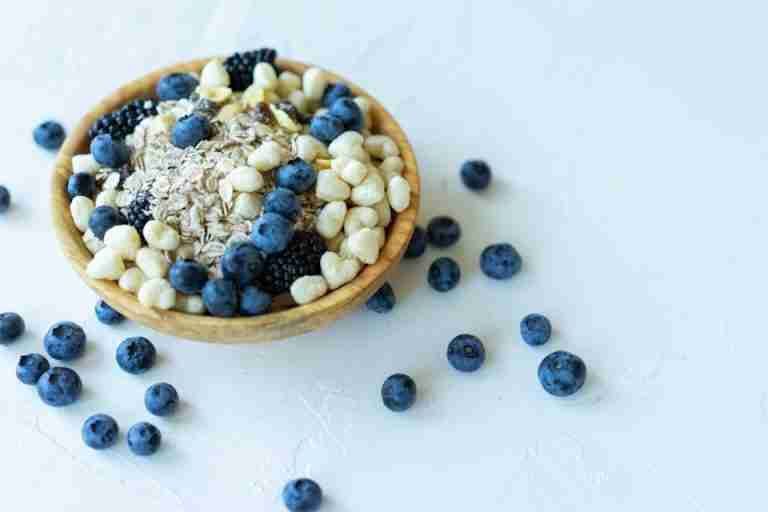
Spelt flour can be used to make delicious pancakes, waffles, or bread. For a savory breakfast option, consider cooking spelt berries and serving them with sautéed vegetables and poached eggs. Spelt porridge, made by simmering whole spelt grains in milk or water, can be topped with fruits and nuts for added flavor and nutrition.
Farro: The Versatile Grain for Any Breakfast
Farro, an ancient Roman grain, is known for its chewy texture and nutty flavor. It's packed with fiber, protein, and essential nutrients like zinc and B vitamins. Farro is particularly versatile, making it suitable for a range of breakfast dishes.
To cook farro, simmer it in water until it's tender, then drain any excess liquid. It can be used as a base for breakfast bowls, topped with roasted vegetables and a fried egg. Alternatively, mix cooked farro with yogurt and honey for a sweet breakfast option. Farro can even be used in breakfast salads, combined with fresh greens, fruits, and nuts.
Incorporating Ancient Grains into Your Breakfast Routine
The beauty of ancient grains lies in their adaptability. They can be mixed and matched with other ingredients to create a wide variety of breakfast dishes. Here are some practical tips for incorporating these nutritious grains into your morning meals:
-
Experiment with Flavors: Don't be afraid to try different flavor combinations. Ancient grains have unique flavors that pair well with a variety of ingredients. For instance, try adding spices like cinnamon and nutmeg to your porridge or mixing savory grains with herbs and cheese.
-
Batch Cooking: Cook a large batch of your favorite grain and store it in the fridge. This makes it easy to prepare quick breakfasts throughout the week. Simply reheat the grains and add your desired toppings.
-
Use Grains in Baking: Substitute a portion of the flour in your baking recipes with ancient grain flours. This not only boosts the nutritional content but also adds interesting flavors and textures to your baked goods.
-
Make Breakfast Bars: Combine cooked ancient grains with nuts, seeds, and dried fruits to create homemade breakfast bars. These can be prepared in advance and make a convenient on-the-go breakfast option.
-
Try Savory Breakfasts: While many associate breakfast with sweet flavors, savory breakfasts can be just as satisfying. Use ancient grains as a base for savory bowls, topped with eggs, vegetables, and a sprinkle of cheese.
The Nutritional Impact of Ancient Grains
Switching to ancient grains for breakfast can have a significant impact on your overall health. These grains are generally higher in protein, fiber, and essential nutrients compared to more refined grains. They also tend to have a lower glycemic index, which helps maintain steady blood sugar levels throughout the morning.
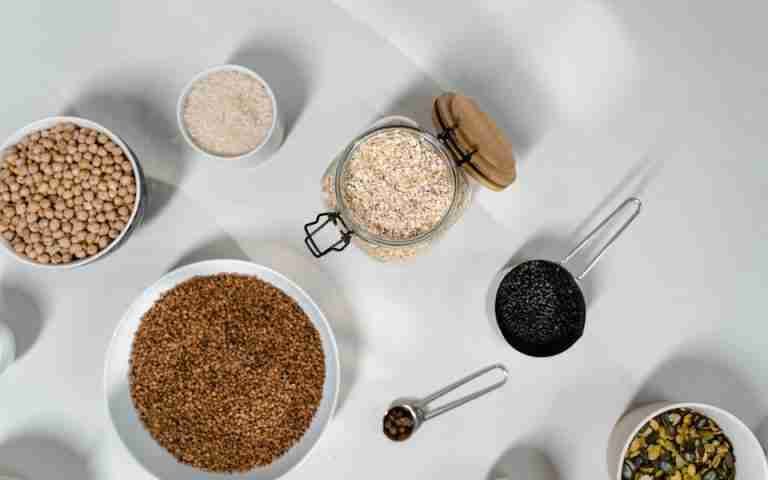
Research from the Whole Grains Council indicates that incorporating whole grains into your diet can reduce the risk of chronic diseases such as heart disease, diabetes, and obesity. The fiber content in ancient grains promotes digestive health and can aid in weight management by keeping you fuller for longer.
Choosing the Right Grains for Your Lifestyle
With so many ancient grains available, it might be challenging to decide which ones to incorporate into your diet. Consider your specific dietary needs and preferences. For those following a gluten-free diet, options like quinoa, amaranth, and millet are excellent choices. If you prefer a grain with a chewier texture, spelt and farro offer satisfying options.
It's also essential to source high-quality grains from reputable suppliers. Look for organic and non-GMO options when possible. Many health food stores and online retailers offer a wide selection of ancient grains, allowing you to explore different varieties and find what suits you best.
Bringing Ancient Grains into Your Kitchen Today
The resurgence of ancient grains in modern diets is not just a trend; it's a return to nutritious, wholesome eating. By incorporating these grains into your breakfast, you're not only tapping into the wisdom of ancient cultures but also investing in your health.
Start by experimenting with one or two ancient grains in your breakfast routine. Over time, you may find that these grains become staples in your kitchen. Whether you're making a creamy quinoa porridge, a batch of teff pancakes, or a savory spelt bowl, the possibilities are endless.
As you explore the world of ancient grains, you'll discover a variety of flavors and textures that elevate your breakfast experience. So, why not begin your day with the enduring power of ancient grains? Your taste buds—and your body—will thank you.