Finding Balance: How a 10-Minute Daily Ritual Changed My Stress Levels
Stress is like that uninvited guest who shows up unexpectedly and overstays their welcome. Imagine a world where stress levels are not only manageable but significantly reduced by dedicating just ten minutes a day to a s
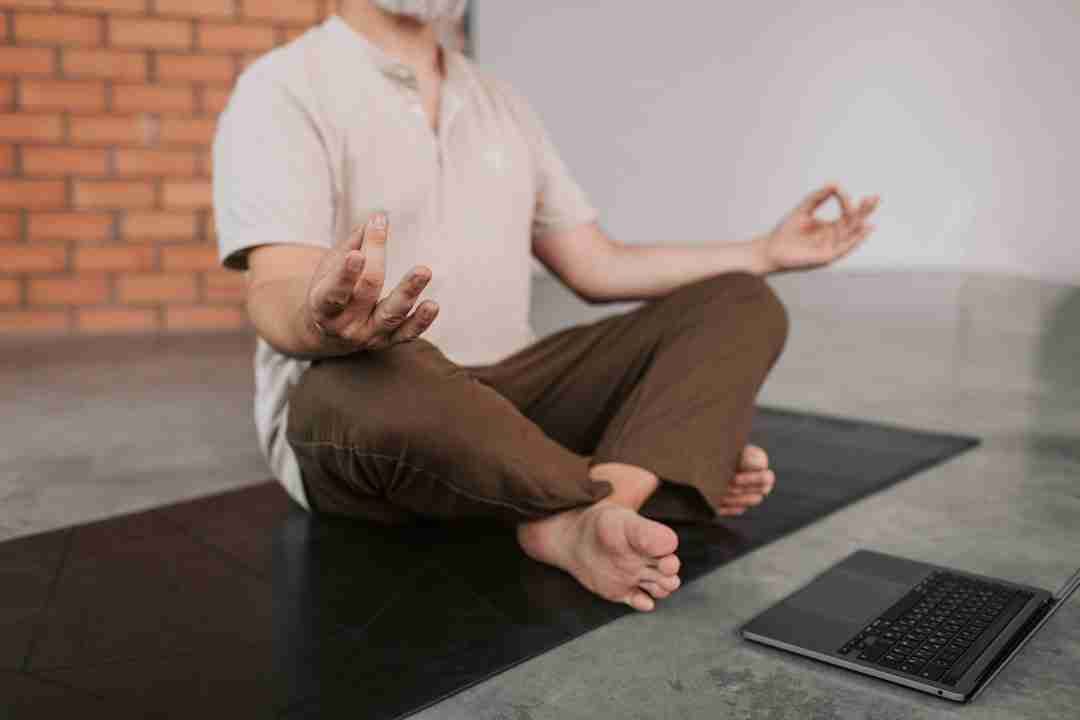
Stress is like that uninvited guest who shows up unexpectedly and overstays their welcome. Imagine a world where stress levels are not only manageable but significantly reduced by dedicating just ten minutes a day to a simple ritual. Many have found that incorporating a daily stress management ritual can transform their lives, leaving them calmer, more focused, and better equipped to handle life's challenges. The secret lies in finding an approach that resonates with you and fits seamlessly into your lifestyle.
The Science Behind Short Rituals: Why 10 Minutes Works
Research has consistently shown that even short periods of mindfulness or relaxation can have profound effects on stress levels. A study published in the journal Psychosomatic Medicine found that just 10 minutes of meditation can lower levels of cortisol, the stress hormone, significantly. The brain responds positively to these brief but consistent bouts of calm, leading to long-term benefits.
This isn't just about meditation. Many types of activities can form an effective 10-minute ritual. The key is consistency. Your brain craves routine, and when it knows a moment of peace is coming, it starts to anticipate and prepare for relaxation. This makes the ritual even more effective over time. So, if you're pressed for time, remember that a short, focused effort can go a long way. Consider pairing your 10-minute ritual with daily activities like your morning coffee or your evening wind-down routine, which can make it easier to stick to this practice.
Breathing Techniques: The Simplest Stress Relief
One of the most accessible forms of stress management is breathing exercises. No special equipment is required, and they can be performed anywhere. Techniques like the 4-7-8 method, where you inhale for four seconds, hold for seven, and exhale for eight, can instantly calm the nervous system. This technique, developed by Dr. Andrew Weil, is based on an ancient yogic method and is praised for its simplicity and effectiveness.
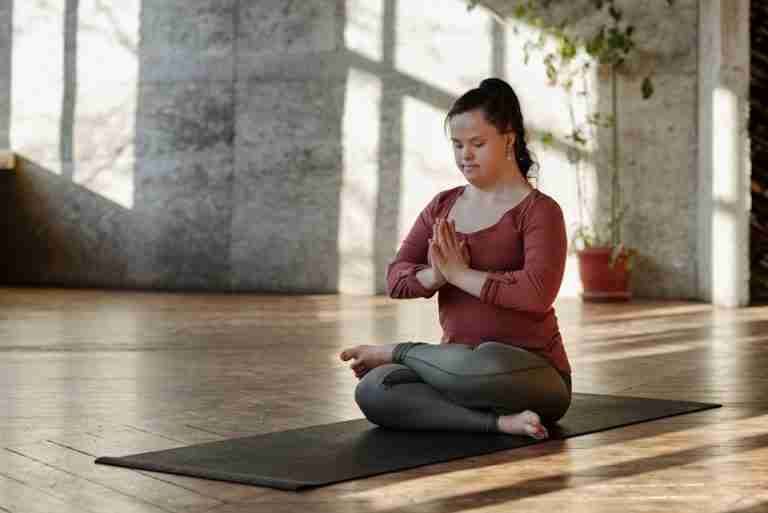
Studies have shown that controlled breathing can reduce anxiety and increase alertness. By focusing on your breath, you divert attention away from stressors and into a state of relaxation. Try setting a timer for 10 minutes, close your eyes, and focus solely on your breath. You'll likely find that this short practice leaves you feeling refreshed and more centered. For those new to breathing exercises, consider using a guided app like Breathe2Relax to help you maintain the rhythm and focus needed for effective practice.
Guided Visualization: A Mini Vacation for the Mind
Guided visualization is another powerful tool that can be incorporated into a 10-minute ritual. It involves creating a mental image of a peaceful place or scenario, allowing your mind to experience relaxation. Many find that this technique provides an escape from the pressures of daily life, offering a brief but effective mental vacation.
Apps like Calm and Headspace offer guided visualization exercises that can be easily integrated into your daily routine. These tools provide structured sessions, making it easier to focus and achieve a state of calm. Visualization not only reduces stress but also enhances creativity and problem-solving skills. So, next time you need a break, consider taking a 10-minute journey in your mind. Imagine walking through a serene forest or lounging by a tranquil beach, engaging all your senses to deepen the experience.
The Power of Journaling: Clearing the Mental Clutter
Journaling offers a therapeutic way to process emotions and reduce stress. Spending just 10 minutes writing down thoughts, worries, or things you're grateful for can significantly lighten your mental load. This practice helps organize thoughts and emotions, making them more manageable.
The act of writing engages different parts of your brain, providing a distraction from stressors and helping you gain perspective. Tools like Notion and Evernote make digital journaling easy and accessible. By regularly offloading mental clutter onto paper or a digital screen, you create space for clarity and calm. To enhance this practice, try using prompts such as "What is one thing I'm grateful for today?" or "What is one challenge I overcame recently?" to guide your writing and encourage reflection.
Movement as Medicine: Quick Exercise Routines
Exercise is a proven stress reliever, and even a short burst of physical activity can do wonders for your mood. A 10-minute exercise routine, whether it's a brisk walk, a quick yoga session, or a few sets of jumping jacks, can elevate endorphin levels and reduce stress.
The American Heart Association recommends at least 150 minutes of moderate exercise per week, but even short sessions contribute to this goal and offer immediate benefits. Consider incorporating a quick morning or afternoon exercise break into your day. Not only will this help manage stress, but it also boosts energy levels and improves overall health. If you're short on space or equipment, use body-weight exercises like squats, lunges, or push-ups. Online platforms like Yoga with Adriene offer free short routines that can easily fit into your schedule.
Setting Boundaries: The Art of Saying No
Stress often arises from overcommitment. Learning to set boundaries and say no is a crucial skill in stress management. Many professionals recommend a brief daily reflection on upcoming commitments to identify potential stress points. This reflection can be part of your 10-minute ritual, allowing you to make conscious decisions about how you spend your time.
By prioritizing tasks and commitments, you protect your time and energy, reducing stress and increasing productivity. Consider using tools like Trello or Google Calendar to keep track of your commitments and ensure you're not overextending yourself. Practice saying no by starting with smaller commitments and gradually setting boundaries in more significant areas of your life, fostering a healthier balance between obligations and personal time.
Creating a Personal Sanctuary: Your Stress-Free Zone
Having a dedicated space for your stress management ritual can enhance its effectiveness. Whether it's a corner of your room, a spot in the garden, or a cozy chair, creating a space that feels calming and inviting is important. This doesn't have to be elaborate. A comfortable cushion, a scented candle, or soothing music can transform any area into a personal sanctuary.
This space becomes a signal to your brain that it's time to relax. Over time, merely entering this area can trigger a stress-reducing response. Personalizing your space with elements that bring you joy or calm can make your 10-minute ritual more enjoyable and effective. Consider adding plants for a touch of nature or using a diffuser with essential oils like lavender or eucalyptus to enhance the atmosphere.
Making It Stick: Consistency Is Key
Establishing a new habit requires consistency. Experts suggest starting with a clear intention and setting a specific time for your ritual daily. Whether it's the first thing in the morning or a break during the afternoon, having a routine helps reinforce the habit.
Consider using habit-tracking apps like Habitica to keep yourself accountable. These tools can remind you to take your daily 10 minutes and celebrate your consistency, making it easier to integrate the ritual into your life. Additionally, sharing your progress with a friend or a community can provide extra motivation and support, helping you stay committed to your stress management journey.
Taking Action Today: Start Your 10-Minute Ritual
Begin by choosing one of the suggested techniques that resonate with you. Experiment with different options to see what fits into your lifestyle and provides the most relief. Remember, the goal is to reduce stress, not add to it, so keep your approach simple and enjoyable.
Commit to giving this ritual a try for at least two weeks. Notice any changes in stress levels, mood, and overall well-being. With time, this small daily investment can lead to significant improvements in how you feel and handle stress.
The journey to stress reduction doesn't have to be overwhelming. By dedicating just 10 minutes a day, you can create a powerful habit that fosters peace and resilience, making life's challenges a bit more manageable.