Why Dancing in Your Living Room Beats Yoga for Stress Relief
Imagine a long day filled with chaotic meetings, endless emails, and looming deadlines. Stress might feel like an unwelcome companion, slowly building up as the hours tick by. Now, picture turning on your favorite song a
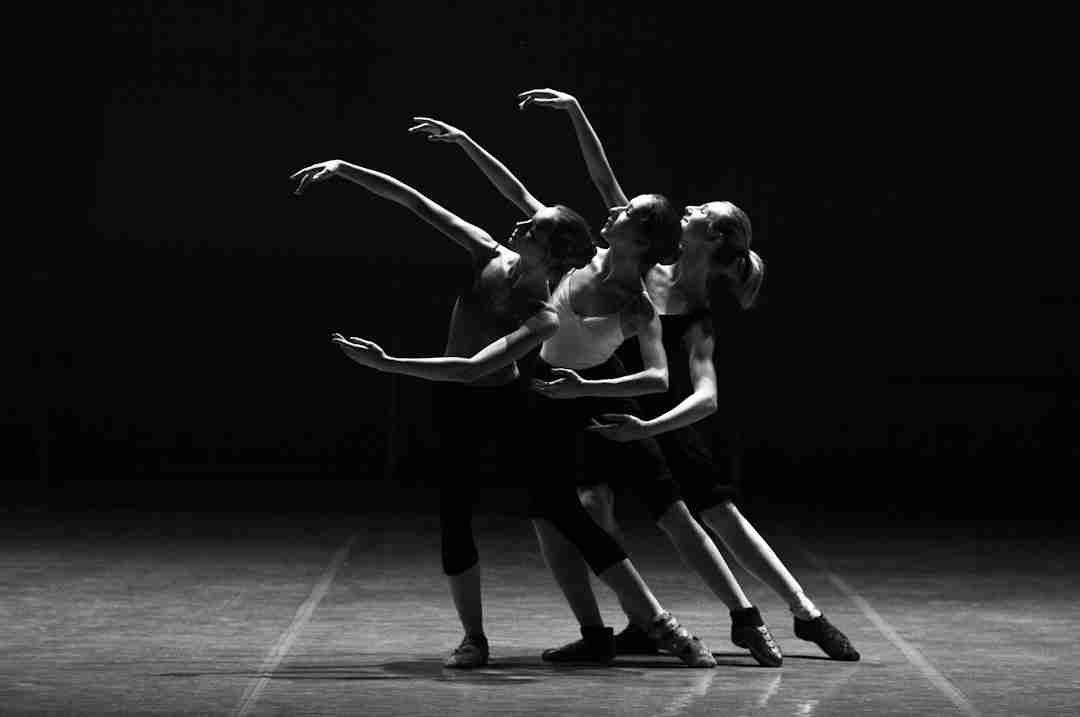
Imagine a long day filled with chaotic meetings, endless emails, and looming deadlines. Stress might feel like an unwelcome companion, slowly building up as the hours tick by. Now, picture turning on your favorite song and moving freely around your living room. Suddenly, stress seems to melt away. This isn't just a fanciful notion. Many find that dancing at home can provide more immediate and joyful stress relief than traditional yoga. While yoga has its merits, dancing offers a unique and dynamic way to shake off anxiety and lift your spirits.
The Science Behind Dance and Stress Reduction
Research indicates that dancing triggers the release of endorphins, the body's natural feel-good chemicals. These endorphins interact with the receptors in the brain, reducing the perception of pain and triggering a positive feeling in the body. In a study published by the American Journal of Dance Therapy, participants reported decreased stress levels after engaging in dance sessions. The physical exertion combined with the joy of movement creates a powerful antidote to stress.
But there's more to it. Dancing engages both the body and mind, requiring coordination, rhythm, and emotional expression. This full-body engagement can lead to a state of "flow," where individuals become fully immersed in the activity, temporarily losing awareness of time and self. This immersive experience is what makes dance particularly effective in alleviating stress quickly.
Flexibility Meets Fun: Why Dancing at Home Is So Effective
Consider this: dancing requires no special equipment, no specific space, and no prior training. All you need is music and a bit of enthusiasm. Unlike yoga, which often requires a dedicated area and sometimes props like mats or blocks, dancing allows for spontaneous bursts of movement whenever you feel the need.
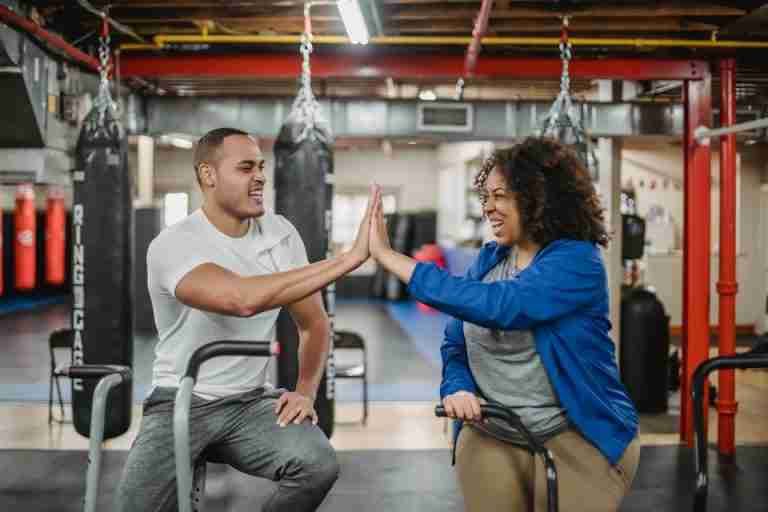
Many people find that dancing in the privacy of their home removes the pressure of performance. There's no instructor watching, no peers to compare oneself against, just personal enjoyment. This freedom can significantly enhance the stress-relieving qualities of dance, as it encourages self-expression without judgment.
Here's the thing: you don't need to be a trained dancer to benefit. Whether you're doing the salsa, some freestyle, or even a silly dance, the key is to move in a way that feels good to you. Some might enjoy a structured choreography, while others might find comfort in the randomness of freestyle dance. The important part is to enjoy the movement and let go of any inhibitions.
The Perfect Playlist: Music's Role in Dance Therapy
Music is a crucial component of dance's stress-relieving power. Different genres can evoke a wide array of emotions, and choosing the right playlist is essential. Upbeat songs can boost energy levels and uplift mood, while slower, melodic tunes might help calm an anxious mind.
A study in the Journal of Positive Psychology shows that listening to upbeat music can improve mood and increase feelings of happiness. Pairing this with dance amplifies the effect. Apps like Spotify and Apple Music offer curated playlists designed to promote positivity and relaxation, making it easy to find music that resonates with you.
To create an effective dance playlist, consider the following steps:
- Identify Your Mood: Are you looking to energize or unwind? This will guide your music choice.
- Mix It Up: Include a variety of tempos and genres to keep the dance session engaging.
- Personal Favorites: Incorporate songs that have personal significance or evoke positive memories.
Dance vs. Yoga: Time Efficiency and Accessibility
Yoga requires time for setup, practice, and cooldown, which can be a barrier for those with a packed schedule. A typical yoga session might last anywhere from 30 to 90 minutes, while a quick dance break can be as short as a single song. This makes dance a more adaptable option for those seeking stress relief without a significant time commitment.

Furthermore, yoga classes might not be accessible to everyone, whether due to location, cost, or scheduling conflicts. Dancing at home eliminates these barriers. With platforms like YouTube, you can access dance tutorials or just find songs to inspire your movement.
Dancing at home also offers the benefit of inclusivity. Regardless of age, ability, or experience level, anyone can participate in dance. This accessibility makes it a great option for families or group activities, allowing everyone to join in on the fun and reap the stress-relieving benefits.
The Social Aspect: Virtual Dance Parties
While dancing alone has its benefits, dancing with others can amplify the experience. Virtual dance parties have become popular, offering a way to connect with friends or even strangers while doing something enjoyable. This social interaction can enhance the mood-boosting effects of dancing, as it combines physical movement with social engagement.
Platforms like Zoom or Houseparty allow people to host or join dance sessions from anywhere in the world. Organizing a virtual dance party can be as simple as setting a time, sending out invites, and playing a shared playlist. This can be a great way to maintain social connections and share joy, even when physically apart.
Dance as an Emotional Outlet
Dance offers a unique outlet for emotional expression. Unlike yoga, which focuses on mindfulness and controlled breathing, dancing allows for the release of pent-up emotions through movement. This can be particularly therapeutic for those who find it challenging to articulate their feelings verbally.
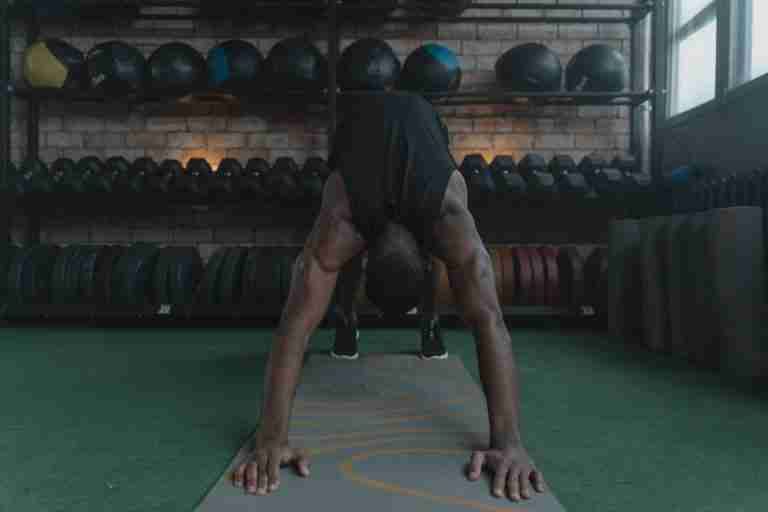
Expressing emotions through dance can lead to a cathartic release, helping to alleviate stress and tension. This is supported by findings in the field of dance/movement therapy, which highlight the effectiveness of dance in processing emotions and promoting mental health. The act of moving to music can evoke memories and feelings, providing a safe space for emotional exploration and release.
Simple Steps to Start Dancing at Home Today
Ready to give dancing a try? Here are some practical steps to get started:
- Create Your Space: Clear a small area in your living room where you can move freely.
- Choose Your Music: Select a playlist that matches your current mood or desired energy level.
- Set a Time: Whether it's a 5-minute break or a longer session, schedule it into your day.
- Move Freely: There's no right or wrong way to dance. Focus on what feels good and let your body lead.
- Incorporate It Regularly: Like any stress-relief method, consistency is key. Aim to include a dance session into your routine several times a week.
To help you stay motivated, consider setting small dance goals such as learning a new step each week or increasing the duration of your dance sessions over time. These goals can provide a sense of accomplishment and encourage continued practice.
Conclusion: Reclaim Joy Through Dance
Dancing at home offers a simple yet powerful way to combat stress. Its combination of physical movement, emotional expression, and musical enjoyment creates a holistic experience that can uplift and rejuvenate. While yoga has its place, the spontaneity and accessibility of dance make it a compelling option for those seeking immediate stress relief. So the next time stress starts to creep in, consider turning up the music and letting your body find its rhythm. It might just be the joyful escape you need to reclaim your day.