From Farm to Fork: Why Joining a CSA Transformed My Eating Habits
Imagine savoring a bright, juicy tomato, knowing it was picked fresh from a local farm just hours before. For many, this isn't just a dream—it's a weekly reality thanks to community-supported agriculture (CSA). CSAs are
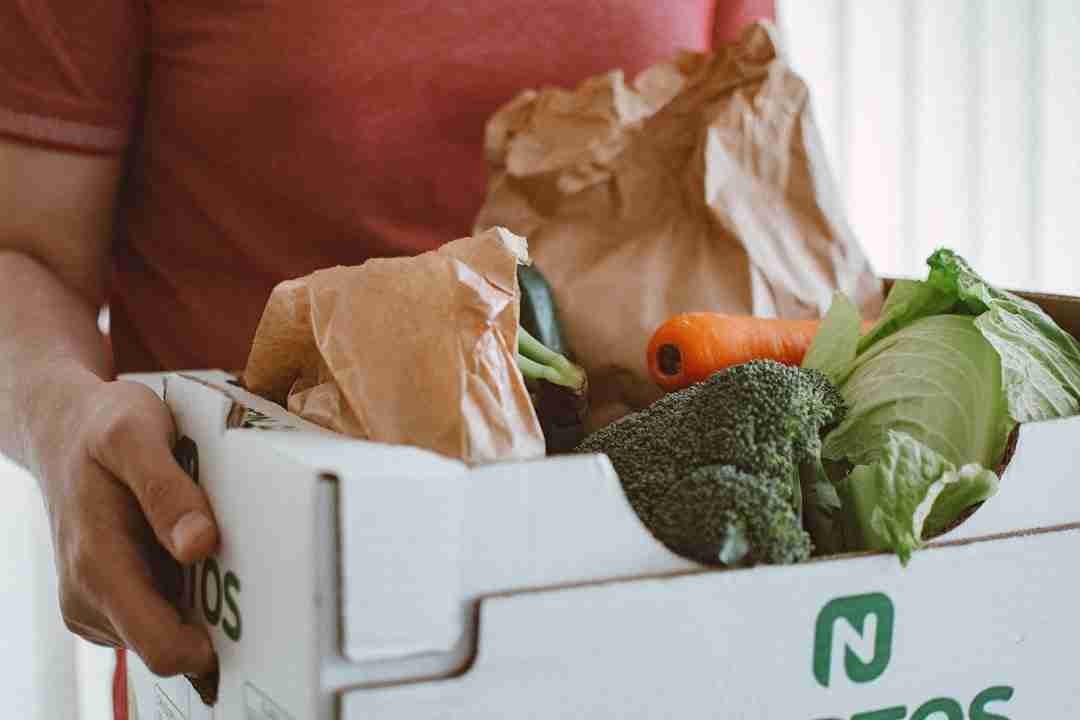
Imagine savoring a bright, juicy tomato, knowing it was picked fresh from a local farm just hours before. For many, this isn't just a dream—it's a weekly reality thanks to community-supported agriculture (CSA). CSAs are transforming how people eat, offering fresher produce and a deeper connection to food sources. But what is the magic behind these farm-to-fork programs, and why are they becoming so popular?
The Rise of CSAs: How They Work and What They Offer
CSAs have been around since the 1980s, but their popularity has surged recently. The concept is simple yet powerful: members pay a subscription fee to a local farm in exchange for regular shares of fresh produce. This model benefits both consumers and farmers, creating a sustainable cycle of supply and demand. Typically, members receive a box of seasonal produce weekly or bi-weekly, packed with whatever is ripe and ready for harvest.
The upfront cost can vary significantly based on the farm and the season length. For example, a typical CSA share might range from $400 to $800 for a 20-week season. This might seem like a substantial investment upfront, but when broken down, it often costs less than buying the same organic produce from a grocery store. Plus, the quality and freshness are unmatched. Many members report that their CSA experience not only improves their diet but also enhances their appreciation for the hard work that goes into farming.
Seasonal Surprises: Embracing New and Unusual Vegetables
One of the most exciting aspects of joining a CSA is the surprise factor. Each box is like a culinary adventure, filled with seasonal treasures. While some weeks might include familiar favorites like carrots and lettuce, others might introduce you to kohlrabi or Romanesco cauliflower. This variety encourages you to expand your culinary repertoire and try new recipes.
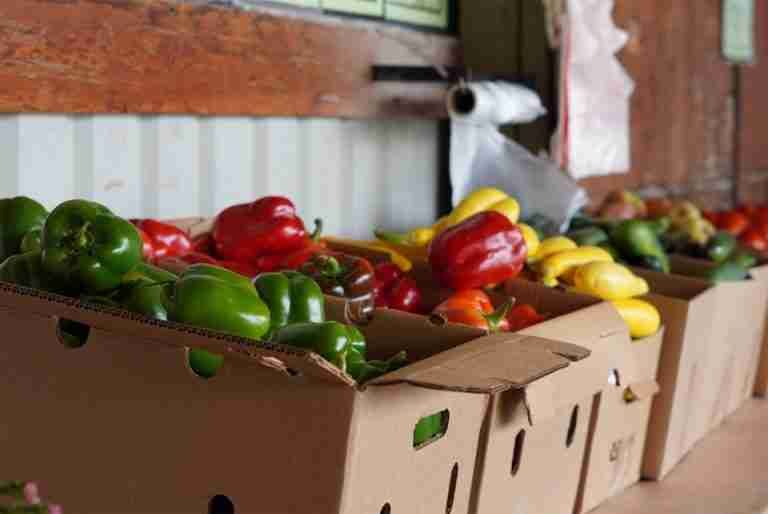
Experts suggest that cooking with seasonal ingredients not only enhances flavor but also boosts nutritional value. Seasonal produce is harvested at its peak, ensuring optimal taste and health benefits. Plus, eating seasonally supports local ecosystems and reduces the carbon footprint associated with transporting out-of-season produce. Imagine discovering new recipes focused on seasonal stars, such as a roasted beet and goat cheese salad in the fall or a refreshing cucumber and dill salad in the summer.
Building a Community: Farmers and Members Connect
CSAs foster a unique sense of community. Members often feel a deep connection to the farmers who grow their food. Many farms encourage this by hosting events like farm tours, harvest festivals, or cooking classes. These events offer a firsthand look at farm operations and a chance to meet fellow members.
This sense of community extends beyond social gatherings. It translates into a shared commitment to sustainable agriculture and a healthier planet. Members aren't just passive consumers; they're active participants in a movement toward food sovereignty and environmental stewardship. Furthermore, many CSA members develop friendships with other participants, creating a network of like-minded individuals who share recipes and tips for making the most of their weekly shares.
Reducing Food Waste: A Sustainable Choice
Food waste is a pressing issue, with an estimated 30-40% of the food supply ending up as waste, according to the USDA. CSAs address this problem by supplying only what is fresh and in-season, reducing the likelihood of surplus and spoilage. Many CSA farms also practice zero-waste farming techniques, using compost and crop rotation to maintain soil health and reduce waste.
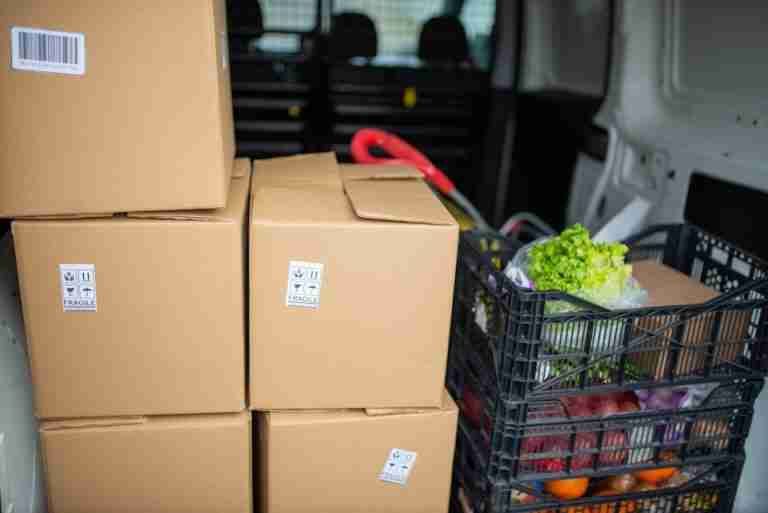
For consumers, receiving a fixed amount of produce can encourage more mindful meal planning and cooking. Knowing that a new box of produce arrives each week motivates people to use what they have, resulting in less waste. This creates a win-win situation—less food waste for the environment and more nutrient-rich meals for you. By engaging in creative cooking methods and preserving techniques such as pickling and fermenting, you can extend the life of your produce and enjoy it even longer.
Economic Benefits: Supporting Local Economies
Buying local through a CSA not only benefits your health but also supports local economies. By investing directly in a farm, members provide farmers with the capital needed to plan and sustain their operations. This financial stability allows farmers to focus on producing high-quality crops rather than worrying about market fluctuations.
Local spending has a multiplier effect. Money spent at local farms tends to stay within the community, boosting other local businesses. This creates a robust local economy, fostering job creation and community development. Supporting CSAs can also encourage the preservation of farmland and green spaces, ensuring that future generations can continue to benefit from local agriculture.
Challenges and Considerations: Is a CSA Right for You?
CSAs aren't without their challenges. The fixed nature of produce boxes means that you'll need to be flexible with meal planning. It can be daunting to figure out how to use an unexpected vegetable. However, many find that this unpredictability enhances their creativity in the kitchen.
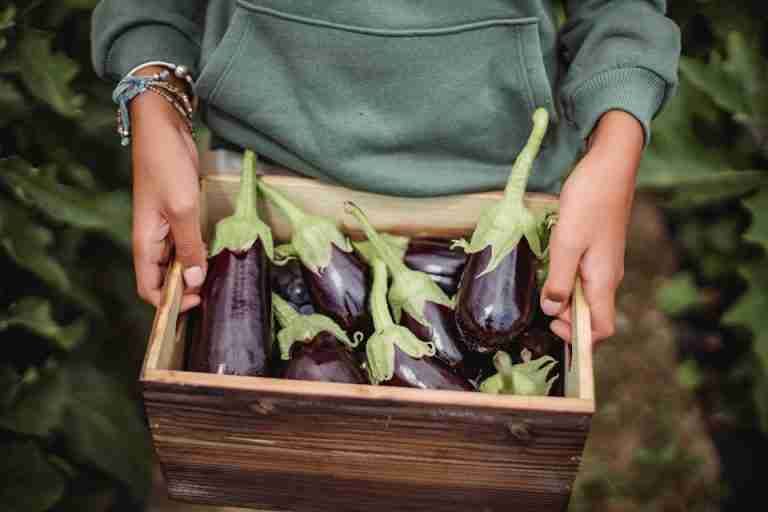
It's also important to consider your lifestyle. If you frequently travel or prefer specific produce, a CSA might not suit your needs. But for those who value freshness, sustainability, and community, a CSA can be a game-changer. To help navigate these challenges, many CSA farms offer newsletters with recipes and storage tips. Online resources like Eat Your CSA provide additional support, offering recipes and advice for making the most of each box.
Immediate Steps: How to Join a CSA Today
Ready to make the leap? Here's how you can start:
-
Research Local Farms: Use resources like LocalHarvest to find CSA farms near you. This platform provides detailed listings of farms, their offerings, and member reviews.
-
Evaluate Your Needs: Consider your household size, dietary preferences, and budget. Most farms offer different share sizes and options, so you can find a match that suits your lifestyle.
-
Visit the Farm: If possible, visit the farm or attend an open house event. This gives you a feel for the farm's practices and allows you to meet the farmers.
-
Sign Up: Once you've chosen a farm, sign up for a share. Be sure to read the terms and conditions, including pickup locations and times.
-
Get Cooking: Prepare to experiment in the kitchen and embrace the variety. Use the farm's resources and online communities to find inspiration and make the most of your CSA. Consider setting aside a weekly "CSA cooking night" to explore new recipes with your family or friends.
A Lasting Impact: Transforming Your Eating Habits Today
Joining a CSA is more than just a change in where you get your produce—it's a shift in how you relate to food. You'll find yourself not only eating healthier but also becoming more in tune with the seasons and the land. The experience can transform eating habits, encouraging a more mindful, sustainable approach to food.
So, whether you're looking to improve your diet, support local agriculture, or simply try something new, a CSA offers a pathway to achieving these goals. Explore the options, connect with local farmers, and transform your eating habits today. The journey from farm to fork is one worth taking, offering delicious rewards and a deeper connection to the food that nourishes you.