Grandma’s Aloe Vera Secret for Sunburn Relief
Sunburn. It's one of those summer mishaps that many know all too well. Imagine spending a perfect day at the beach, only to return home with that all-too-familiar red, aching skin. While there are countless remedies out
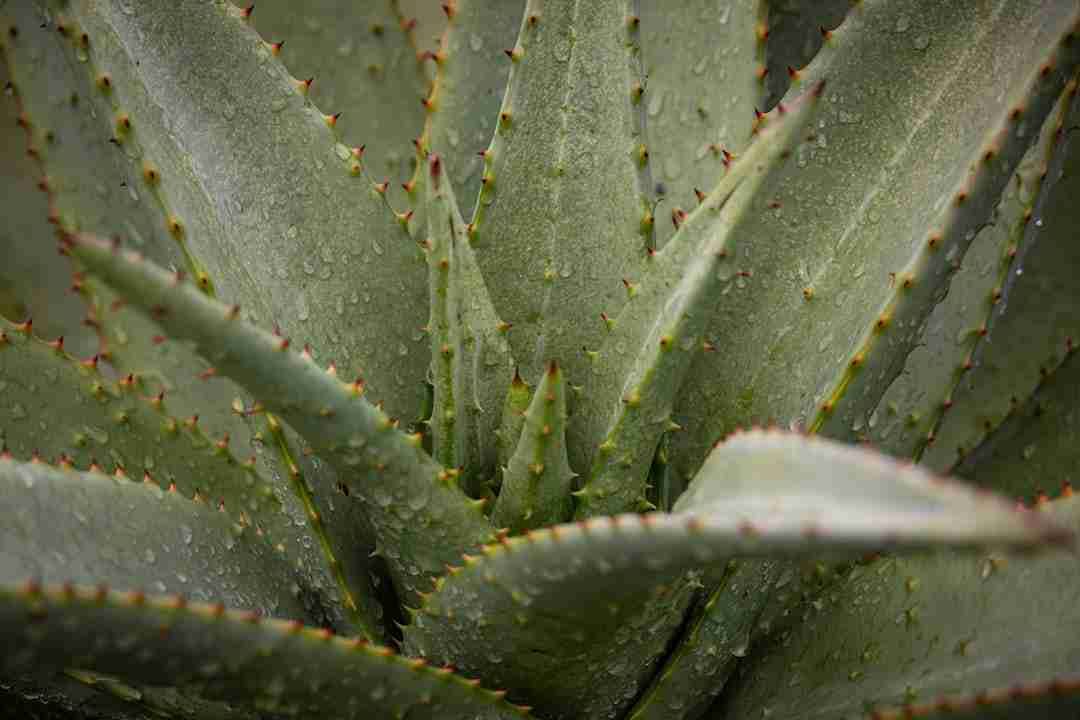
Sunburn. It's one of those summer mishaps that many know all too well. Imagine spending a perfect day at the beach, only to return home with that all-too-familiar red, aching skin. While there are countless remedies out there, from cold showers to over-the-counter creams, there's an age-old secret that many grandmothers swear by: aloe vera. This humble plant has been a go-to for generations and is revered for its ability to soothe and heal sunburned skin.
Aloe Vera's Healing Properties: What Makes It So Effective?
Aloe vera isn't just another plant; it's a powerhouse of healing properties. Inside its thick leaves lies a gel that's rich in vitamins, minerals, and antioxidants. Experts suggest that the gel contains compounds like acemannan, which aids in reducing inflammation and promotes healing. It's no wonder that dermatologists often recommend aloe vera for sunburn relief.
The gel's cooling effect provides immediate relief from the burning sensation of sunburn. Many find that applying the gel directly from the plant delivers the best results. While store-bought gels are convenient, they often contain additives that might reduce the plant's natural efficacy. So, if you have access to a fresh aloe vera plant, using its gel can be a game-changer.
For those curious about the science, aloe vera's soothing properties are largely attributed to its high water content, which hydrates the skin and helps maintain moisture balance. This hydration is crucial in mitigating the peeling that often accompanies sunburn.
Step-by-Step: How to Use Fresh Aloe Vera Gel for Sunburn
Using fresh aloe vera gel is straightforward, but there are specific steps to ensure you get the most benefit. Here's how you can harness its full potential:
-
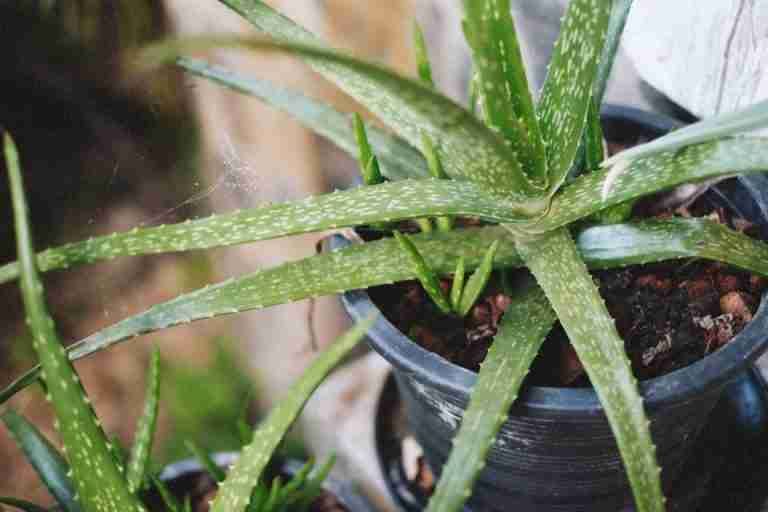
Harvesting the Gel: Cut a mature leaf from the base of the plant. A sharp knife works best. Once cut, let the leaf sit in a vertical position for a few minutes to allow the yellow latex to drain out. This latex can be irritating to the skin.
-
Extracting the Gel: After the latex has drained, carefully slice open the leaf. Use a spoon to scoop out the clear gel inside. It's this gel that contains the soothing properties you're after.
-
Application: Gently apply the gel directly to the sunburned skin. For best results, let it sit and absorb naturally. There's no need to rinse it off unless it becomes sticky or uncomfortable.
-
Storage: If you've extracted more gel than needed, store it in an airtight container in the refrigerator. It should remain usable for up to a week.
For those who enjoy a more sensory experience, consider infusing your aloe vera gel with a few drops of essential oil, like lavender or chamomile, known for their calming properties. This can enhance the soothing effect and provide a pleasant aroma.
The Science Behind Aloe Vera's Sunburn Relief
Aloe vera's effectiveness isn't just folklore; there's science to back it up. Research shows that aloe vera has anti-inflammatory properties that help reduce the swelling and redness associated with sunburn. One study published in the Journal of Dermatological Treatment found that aloe vera gel can increase the rate of healing by stimulating the production of collagen. Collagen is essential for skin repair, making aloe vera a natural choice for treating sunburns.
Moreover, the gel's hydration properties ensure that the skin remains moisturized, preventing peeling and further damage. The antioxidants present in aloe vera, like vitamins C and E, also help neutralize free radicals, which can further damage the skin.
For those interested in a deeper dive, the polysaccharides in aloe vera are thought to form a protective barrier on the skin, which not only aids in healing but also provides a protective layer against additional environmental damage. This aspect makes aloe vera a multifaceted tool not just for treatment, but also for ongoing skin protection.
Choosing the Best Aloe Vera Products: What to Look For
Not everyone has access to a fresh aloe vera plant. Fortunately, there are numerous aloe vera products available on the market. But not all are created equal. When choosing an aloe vera product, here are some tips:

-
Ingredients: Look for products with a high concentration of aloe vera. Ideally, aloe should be the first ingredient listed. Avoid products with alcohol, fragrances, and artificial colors, as these can irritate sunburned skin.
-
Certification: Consider products that are certified organic or have been tested by dermatologists. Certifications can offer some assurance of the product's quality.
-
Reviews and Recommendations: Sometimes, the best insights come from other users. Check reviews on platforms like Amazon or Sephora to see what others have experienced.
In addition to these, consider reaching out to skincare professionals or dermatologists for recommendations tailored to your specific skin type and needs. This personalized advice can often lead to discovering hidden gems in the skincare product world.
Alternative Uses of Aloe Vera for Skin Care
Aloe vera isn't just for sunburns. Its versatile nature makes it a staple in many skincare routines. Here are a few other ways it can be beneficial:
-
Moisturizer: Aloe vera gel can be used as a light moisturizer, especially for those with oily skin. Its non-greasy texture makes it ideal for daily use.
-
Acne Treatment: Thanks to its anti-inflammatory properties, aloe vera can help reduce the redness and swelling associated with acne. Using it as a spot treatment can yield positive results.
-
Anti-Aging: The antioxidants in aloe vera, particularly vitamins C and E, help combat signs of aging. Regular application can reduce the appearance of fine lines and wrinkles.
For those exploring natural skincare options, aloe vera can also be a component in homemade lotions or mixed with other natural ingredients like shea butter or coconut oil to enhance its hydrating effects.
DIY Aloe Vera Recipes: From Face Masks to Hair Treatments
For those who love DIY beauty treatments, aloe vera is a versatile ingredient. Here are a couple of simple recipes to try at home:
Aloe Vera Face Mask
Ingredients:
- 2 tablespoons of fresh aloe vera gel
- 1 tablespoon of honey
- 1 tablespoon of yogurt
Instructions:
Mix all ingredients in a bowl until well combined. Apply the mask to a clean face and leave it on for 15-20 minutes. Rinse with lukewarm water. This mask is excellent for hydration and brightening.
Aloe Vera Hair Mask
Ingredients:
- 3 tablespoons of aloe vera gel
- 2 tablespoons of coconut oil
- 1 tablespoon of lemon juice
Instructions:
Combine the ingredients and apply the mixture to the scalp and hair. Leave it on for 30 minutes before washing it out with shampoo. This treatment can help promote hair growth and shine.
For an added boost, consider adding a few drops of essential oils like rosemary or peppermint, which can invigorate the scalp and promote healthy hair growth.
How to Grow Your Own Aloe Vera Plant at Home
Growing an aloe vera plant at home is easier than one might think, and having a fresh supply of gel on hand can be incredibly convenient. Here's how to start:
-
Choosing the Right Pot: Ensure that the pot has drainage holes. Aloe vera doesn't like to sit in water, so proper drainage is crucial.
-
Soil Selection: Use a cactus or succulent potting mix. This type of soil provides the drainage that aloe vera needs.
-
Sunlight and Watering: Place the plant in a sunny spot. Water it sparingly, allowing the soil to dry out completely between waterings.
-
Propagation: Aloe vera produces "pups" or offshoots. These can be separated and planted in their own pots to grow new plants.
For those new to gardening, aloe vera is an excellent plant to start with. Its hardy nature and low maintenance requirements make it a perfect candidate for those looking to add a touch of green to their home without the hassle of constant care.
Start Using Aloe Vera for Sunburn Relief Today
Aloe vera offers a natural, effective way to soothe sunburn and enhance skin health. Its rich composition of vitamins, minerals, and antioxidants makes it a valuable addition to any skincare routine. Whether using fresh gel from a plant or a high-quality product from the store, aloe vera can provide the relief and nourishment your skin needs.
For those dealing with sunburn today, consider trying aloe vera. The relief can be almost immediate, and your skin will thank you. Remember, taking care of one's skin means taking care of oneself. Why not give this age-old remedy a try and experience the benefits firsthand?