Harnessing Ginger’s Magic: Soothe an Upset Stomach Naturally
Stomach troubles can strike at the most inconvenient times, leaving many searching for immediate relief. But before reaching for that over-the-counter remedy, consider what's already in the kitchen. Ginger, an ancient sp
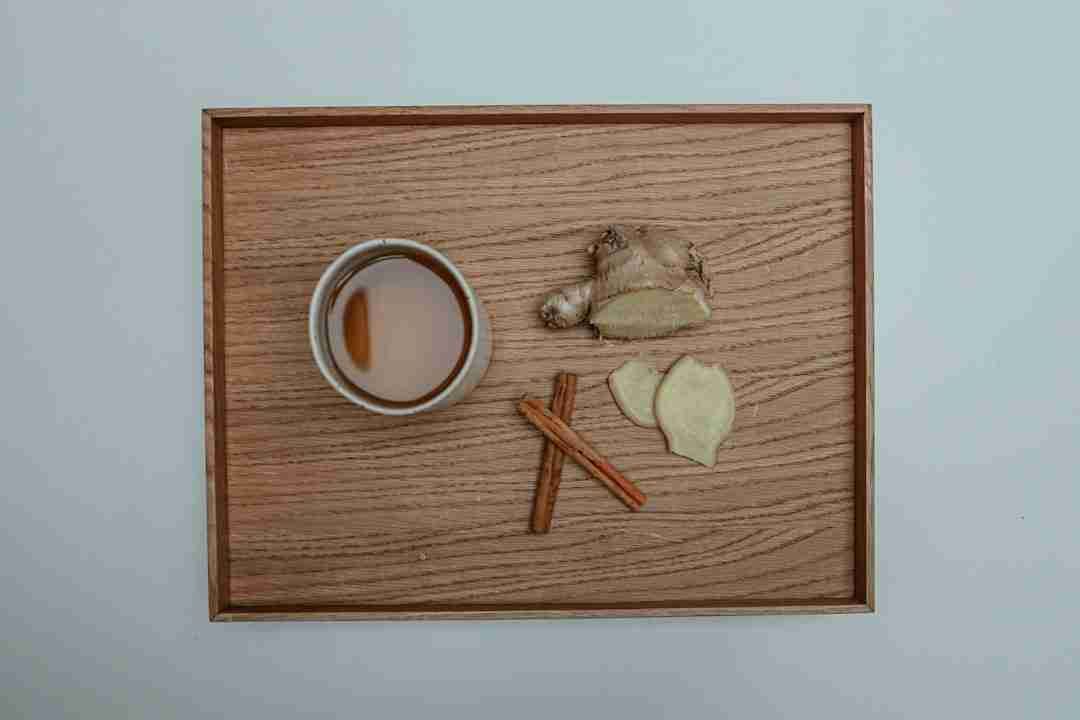
Stomach troubles can strike at the most inconvenient times, leaving many searching for immediate relief. But before reaching for that over-the-counter remedy, consider what's already in the kitchen. Ginger, an ancient spice with a storied history, offers a natural solution for soothing an upset stomach. Known for its spicy, aromatic qualities, ginger has been a staple in traditional medicine for thousands of years. But what makes this humble root so effective? And how can it be used to ease that queasy feeling? Let's explore the wonders of ginger and how it can help calm your stomach naturally.
Ginger's Chemical Magic: How Gingerol Works
Ginger's effectiveness in calming an upset stomach doesn't happen by magic. It's all about chemistry. The active compound in ginger, gingerol, is responsible for its medicinal properties. Gingerol has powerful anti-inflammatory and antioxidant effects, making it an ideal remedy for gastrointestinal discomfort.
Research shows that gingerol can help relax the gastrointestinal tract's muscles, which can reduce feelings of nausea and discomfort. This is particularly useful for those experiencing nausea due to motion sickness, pregnancy, or post-surgery. A study published in the Journal of the Medical Association of Thailand found that ginger was as effective as some anti-nausea medications in reducing postoperative nausea.
For individuals who frequently experience nausea during travel, carrying ginger candies or chews can be a handy tip. These products often contain concentrated gingerol and can be easily consumed without preparation, providing quick relief during transit.
The takeaway here is clear: ginger's natural compounds can work wonders in soothing your stomach, making it a worthwhile alternative to synthetic medications. And the best part? It's both effective and easy to find.
Ginger Tea: A Simple Yet Powerful Remedy
For those seeking an immediate and comforting solution, ginger tea is a tried-and-true option. It's simple to make and can provide quick relief for an upset stomach. Here's how you can prepare it:
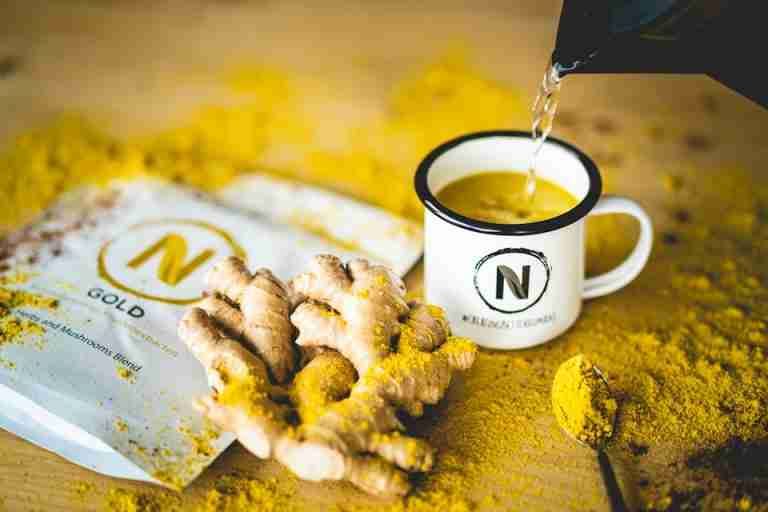
- Slice fresh ginger: Take a piece of ginger root about the size of your thumb and slice it thinly.
- Boil water: Bring a pot of water to a boil and add the sliced ginger.
- Simmer: Reduce the heat and let it simmer for about 10-15 minutes. This allows the gingerol to infuse into the water.
- Strain and serve: Pour the tea through a strainer into a cup. Add a squeeze of lemon or a teaspoon of honey if desired.
Ginger tea not only helps with nausea but also promotes digestion and can alleviate bloating. Drinking a cup after meals can support digestive health and prevent discomfort. For a refreshing twist, try adding a sprig of mint or a dash of cinnamon to your ginger tea. These additions can enhance the flavor profile and provide additional digestive benefits.
Ginger Supplements: Convenient Relief on the Go
For those who find themselves frequently on the move, ginger supplements can offer a convenient alternative. Available in capsules, tablets, or chewable forms, they provide a concentrated dose of ginger's active ingredients without the need for preparation.
When choosing a ginger supplement, look for products standardized to contain a specific amount of gingerol. Typically, a daily dose of 1,000 mg of ginger extract is recommended for nausea relief, but it's always wise to consult with a healthcare professional before starting any new supplement regimen.
One popular option is Nature's Way Ginger Root, known for its high-quality and potency. Remember, while supplements are convenient, they should complement a balanced diet rather than replace natural sources of ginger.
For those interested in natural supplements, ginger can also be found in combination products alongside other herbs like peppermint or chamomile, both known for their stomach-soothing properties. These blends can offer a holistic approach to managing digestive discomfort.
Ginger Ale: Not All Are Created Equal
It's a common misconception that any ginger ale can soothe an upset stomach. The truth is, not all ginger ales contain real ginger. Many commercial brands use artificial flavors and contain little to no ginger extract. This means they lack the gingerol necessary to provide any real benefit.
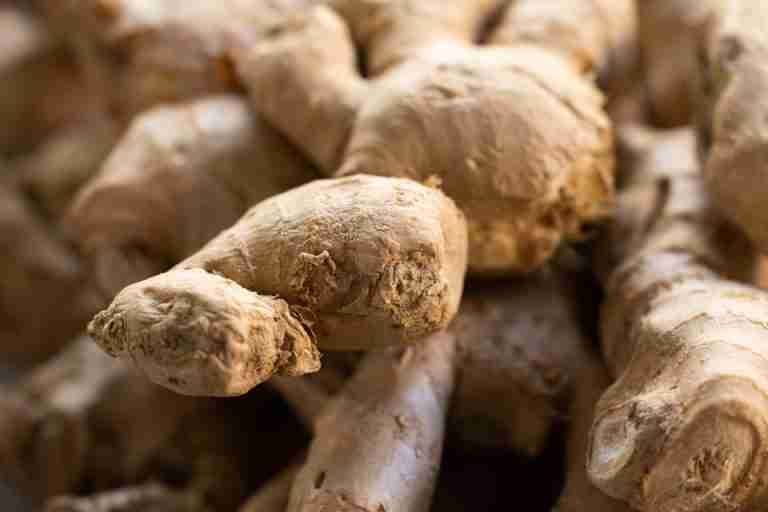
If you prefer ginger ale, look for brands that use real ginger root. Brands like Reed's Ginger Beer offer non-alcoholic options made with real ginger, providing a more authentic and effective remedy. Alternatively, making homemade ginger ale is an option, allowing control over the ingredients and ensuring the presence of real ginger.
For those who enjoy experimenting in the kitchen, try crafting a homemade ginger syrup by simmering fresh ginger with water and sugar. This syrup can be mixed with sparkling water to create a personalized ginger ale, ensuring both taste and efficacy.
Incorporating Ginger into Meals: Delicious and Effective
Ginger's versatility extends beyond beverages; it can be easily incorporated into daily meals. This not only enhances flavor but also supports digestive health consistently. Here are a few practical ways to include ginger in your diet:
- Smoothies: Add a small piece of fresh ginger to your morning smoothie. It pairs well with fruits like banana and pineapple.
- Stir-Fries: Grate ginger into your stir-fries for a spicy kick that complements vegetables and meats alike.
- Soups: A spoonful of ginger paste can elevate the flavor of soups and broths, while also aiding digestion.
- Baked Goods: Ginger can be a delightful addition to cookies and cakes, offering a warm and aromatic twist.
By making ginger a regular part of your meals, you can enjoy its stomach-soothing benefits without much effort. For those who love international cuisine, dishes like ginger-infused curries or sushi with pickled ginger provide delicious opportunities to incorporate this beneficial root.
The Science of Ginger and Pregnancy: A Safe Solution
Nausea during pregnancy, commonly known as morning sickness, can be a significant challenge. Fortunately, ginger offers a safe and natural option for relief. Several studies have investigated ginger's effectiveness in reducing pregnancy-related nausea, with promising results.

A review published in the Journal of Pregnancy analyzed multiple studies and concluded that ginger significantly reduced nausea symptoms in pregnant women. Typically, consuming 1-1.5 grams of ginger per day is considered safe during pregnancy, but it's always best to consult with a healthcare provider.
Ginger tea or ginger candies are popular choices among pregnant women seeking relief. Products like Preggie Pop Drops, which contain natural ginger, are specifically designed for this purpose and can provide quick relief during bouts of nausea.
For those looking for a creative solution, try making ginger-infused ice cubes to suck on during particularly nauseous moments. This can be a soothing and hydrating way to benefit from ginger's properties.
Cautions and Considerations: When to Consult a Professional
Despite its benefits, ginger isn't a one-size-fits-all remedy. It's important to consider individual health conditions and potential interactions with medications. For instance, those with gallstone issues or bleeding disorders should exercise caution, as ginger can exacerbate these conditions.
Additionally, while ginger is generally safe, excessive consumption can lead to mild side effects such as heartburn or stomach irritation. It's recommended to start with small amounts and observe how your body responds.
If there's any doubt, consulting a healthcare professional can provide personalized advice and ensure that ginger complements your health needs effectively. For those undergoing surgery or taking blood thinners, professional guidance is especially important to avoid adverse interactions.
Immediate Actions: Soothe Your Stomach Today
So, how can you take advantage of ginger's stomach-soothing properties right now? Start by incorporating one of the methods mentioned above into your routine. Whether it's brewing a cup of ginger tea, trying a ginger supplement, or adding ginger to your meals, each approach offers a practical way to harness ginger's benefits.
With its natural anti-nausea properties and versatility, ginger stands out as a valuable addition to anyone's health toolkit. By taking action today, you can enjoy a happier, healthier stomach and potentially discover a newfound appreciation for this remarkable root. Consider keeping a small ginger plant in your kitchen garden or windowsill for a constant supply of fresh ginger, ensuring you always have this natural remedy at your fingertips.