How Ginger Tea Helped Me Breathe Easier This Allergy Season
Springtime should be a breath of fresh air, but for so many, it’s a season of relentless sneezing, itchy eyes, and stuffy noses. Allergies can be more than just a nuisance; they can disrupt sleep, work, and daily activit
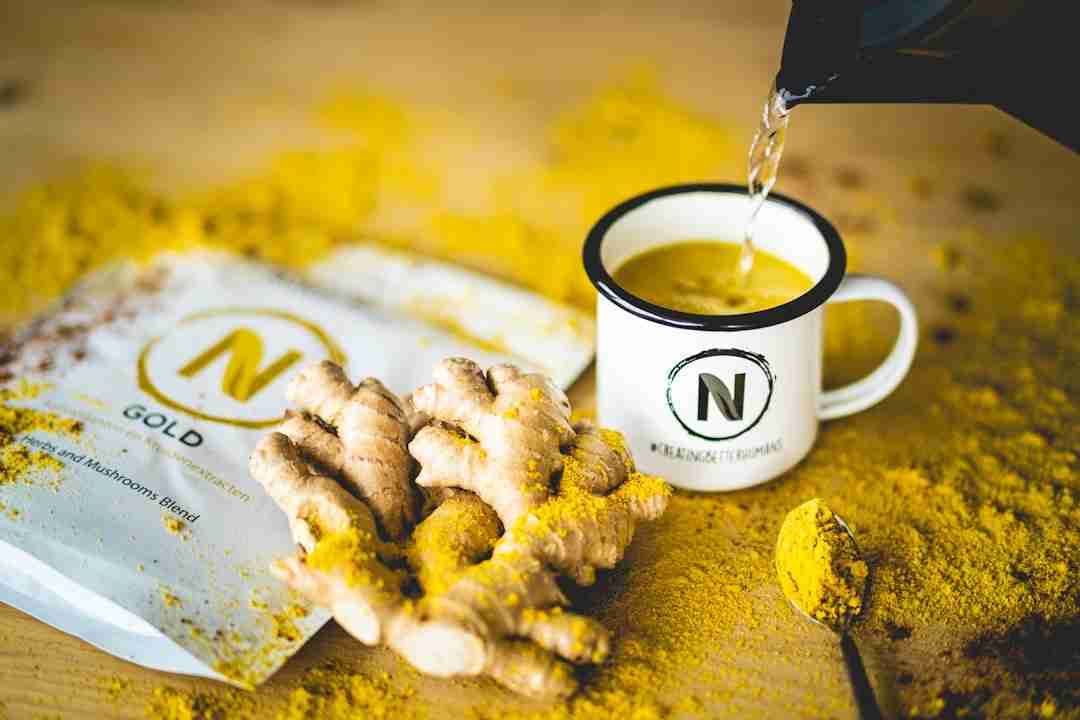
Springtime should be a breath of fresh air, but for so many, it’s a season of relentless sneezing, itchy eyes, and stuffy noses. Allergies can be more than just a nuisance; they can disrupt sleep, work, and daily activities. The search for relief can feel endless. But imagine a simple, natural remedy that might be sitting in your kitchen right now. Ginger tea isn’t just a comforting drink; it’s a potential game-changer for those battling seasonal allergies.
How Ginger Acts as an Anti-Inflammatory Powerhouse
Ginger, a staple in many cuisines, is more than a flavor enhancer. It contains compounds like gingerol and shogaol, which research shows have strong anti-inflammatory properties. These compounds can help reduce the inflammation in the nasal passages that often accompanies allergic reactions. When the body encounters allergens, it tends to overreact, leading to inflammation and the symptoms many find all too familiar. Regular consumption of ginger tea can help mitigate these reactions, making it easier for you to breathe.
Imagine sipping a warm cup of ginger tea and feeling relief as the steam opens your nasal passages. This isn’t just anecdotal. Studies, such as one published in the "Journal of Ethnopharmacology," have demonstrated ginger's effectiveness in reducing inflammation, which can significantly alleviate allergy symptoms. It’s like having a natural antihistamine at your disposal whenever you need it. The takeaway? Consider incorporating ginger tea into your daily routine, especially during allergy season, to help reduce inflammation naturally.
Brewing the Perfect Cup of Ginger Tea
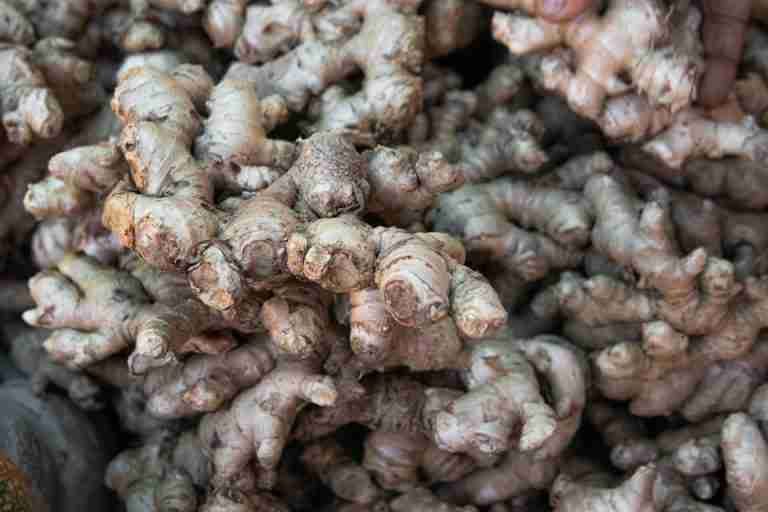
The process of making ginger tea is simple, yet it can be tailored to enhance its benefits. Start with fresh ginger root, which contains the highest concentration of beneficial compounds. Here's a quick guide:
-
Peel and slice: Use about a two-inch piece of fresh ginger. Peel it and slice it thinly to increase the surface area.
-
Boil: Add the ginger slices to two cups of water. Bring it to a boil, then reduce the heat and let it simmer for 10-15 minutes. The longer it simmers, the stronger the flavor and potential benefits.
-
Strain and serve: Strain the tea into a cup. Add honey or lemon if desired. Honey can further help with soothing a sore throat, another common allergy symptom.
By following these steps, you can create a potent cup of ginger tea that not only tastes good but also supports your body in fighting off allergy symptoms. Drinking this tea once or twice a day can provide consistent relief throughout the allergy season. For an added twist, consider grating the ginger instead of slicing it, which can intensify the flavor and ensure even more of the ginger's beneficial compounds are infused into the tea.
The Cost-Effective Relief Ginger Tea Offers
Over-the-counter allergy medications can add up quickly, especially if they're a daily necessity throughout the spring and summer. Ginger tea, on the other hand, is a cost-effective alternative. A standard grocery store sells fresh ginger for about $2-$3 per pound, and a pound goes a long way. When compared to the cost of allergy medications, ginger tea is a budget-friendly option that doesn’t skimp on effectiveness.
Consider this: A typical box of allergy pills can cost upwards of $15 and might last a month. In contrast, the same amount spent on ginger can produce enough tea for several months. This makes ginger tea not only a natural but also a financially wise choice for managing allergies. For those who are budget-conscious, buying ginger in bulk or growing it at home can further reduce costs, making it an even more accessible remedy.
Combining Ginger with Other Natural Remedies
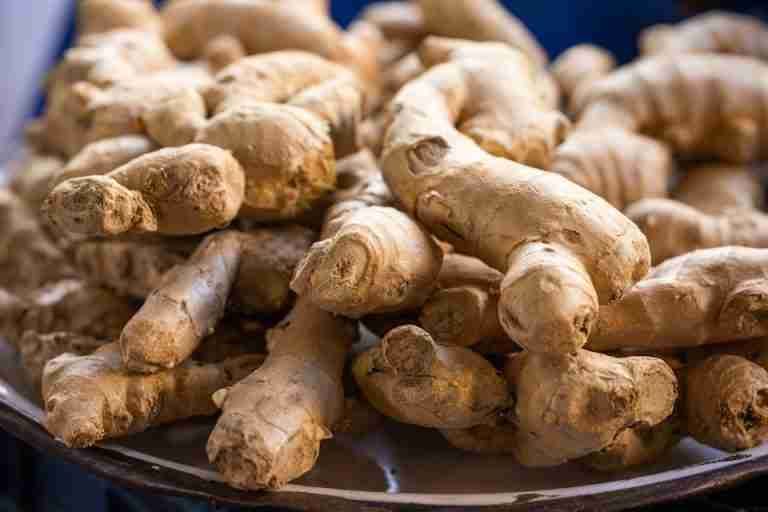
While ginger tea on its own is beneficial, combining it with other natural remedies can amplify its effects. Here are a few combinations to consider:
-
Honey and Lemon: Adding honey and lemon to ginger tea not only enhances the flavor but also boosts its allergy-fighting properties. Honey can act as a natural cough suppressant, while lemon provides vitamin C, which supports the immune system.
-
Turmeric: Known for its anti-inflammatory properties, turmeric can be added to ginger tea. A pinch of turmeric can further help reduce inflammation and improve overall health. For best results, add a dash of black pepper to enhance the absorption of turmeric’s active ingredients.
-
Peppermint: For those who enjoy a minty flavor, adding peppermint leaves can provide additional relief. Peppermint acts as a natural decongestant, helping to clear nasal passages.
By experimenting with these combinations, you can create a personalized tea blend that addresses your specific allergy symptoms. This approach allows you to tailor your tea to your tastes and needs, making it a versatile part of your allergy management. For a cooling effect, try chilling your ginger tea for an iced version, perfect for warm days when allergies are at their peak.
Studies Supporting Ginger’s Efficacy in Allergy Relief
Scientific research provides a strong foundation for ginger's use in treating allergies. A study published in the "American Journal of Rhinology & Allergy" highlighted ginger's ability to inhibit the release of histamines, the compounds responsible for allergy symptoms. This makes ginger a natural antihistamine, offering relief without the drowsiness associated with some medications.
Another study in the "International Journal of Preventive Medicine" found that ginger extract significantly reduced the severity of allergy symptoms in participants. These studies underscore ginger’s potential as a natural remedy, providing a compelling reason to consider ginger tea as part of a holistic approach to allergy management. For those interested in exploring more scientific findings, accessing these journals through academic libraries or online subscriptions can provide further insights into ginger’s potential health benefits.
Practical Steps to Incorporate Ginger Tea into Your Routine
Integrating ginger tea into your daily routine is straightforward and can be done with minimal disruption. Here’s how you can make it a regular part of your lifestyle:

-
Morning Ritual: Start your day with a cup of ginger tea. It can replace your morning coffee or be an addition to your breakfast routine. This sets a positive tone for the day and provides early relief from allergy symptoms.
-
After Meals: Drinking ginger tea after meals can aid digestion and help prevent inflammation. It’s a soothing way to end a meal, particularly if you’ve indulged in foods that can trigger allergies. For added digestive benefits, consider adding a pinch of cinnamon to your tea.
-
Before Bed: A warm cup of ginger tea before bed can relax your body and prepare you for a restful night's sleep. Add a touch of honey to soothe your throat and reduce any nighttime coughing. If you find it difficult to sleep, consider adding a few drops of lavender essential oil to your pillow or diffuser to enhance relaxation.
By incorporating ginger tea at these key times, you can maximize its benefits and enjoy continuous relief from allergy symptoms throughout the day. Establishing a consistent tea-drinking routine can also serve as a calming ritual, providing a moment of tranquility amidst a busy schedule.
Ginger Tea as Part of a Holistic Lifestyle
Incorporating ginger tea into your routine is not just about alleviating allergy symptoms; it can also be part of a broader, holistic approach to health and wellness. Consider complementing your ginger tea consumption with regular physical activity, a balanced diet rich in fruits and vegetables, and mindfulness practices such as yoga or meditation.
Mindful breathing exercises, for instance, can help improve lung capacity and reduce stress, both of which can contribute to better management of allergy symptoms. Yoga poses that open up the chest and improve circulation, like the bridge pose or seated forward bend, can further enhance respiratory function, making it easier to breathe during allergy season.
Engaging in these practices can create a synergistic effect, boosting your overall well-being and resilience against seasonal allergies. By embracing a holistic lifestyle, you can not only manage allergies more effectively but also enhance your overall quality of life.
Conclusion: Start Sipping for Relief Today
The reality is, managing allergies doesn’t have to mean relying solely on pharmaceuticals. Ginger tea offers a natural, effective, and affordable solution that can provide much-needed relief. By making ginger tea a part of your daily routine, you can breathe easier and enjoy the season with fewer disruptions.
Why not start today? Brew a cup of ginger tea and see how this natural remedy can enhance your allergy management strategy. With its anti-inflammatory properties and versatility, ginger tea might just be the ally you need in the fight against allergy symptoms.