Harnessing the Power of Ginger to Soothe Migraines
Migraines can be debilitating. Those who suffer from these intense headaches often find themselves desperate for relief. After trying numerous medications and remedies, many eventually turn to alternative solutions. One
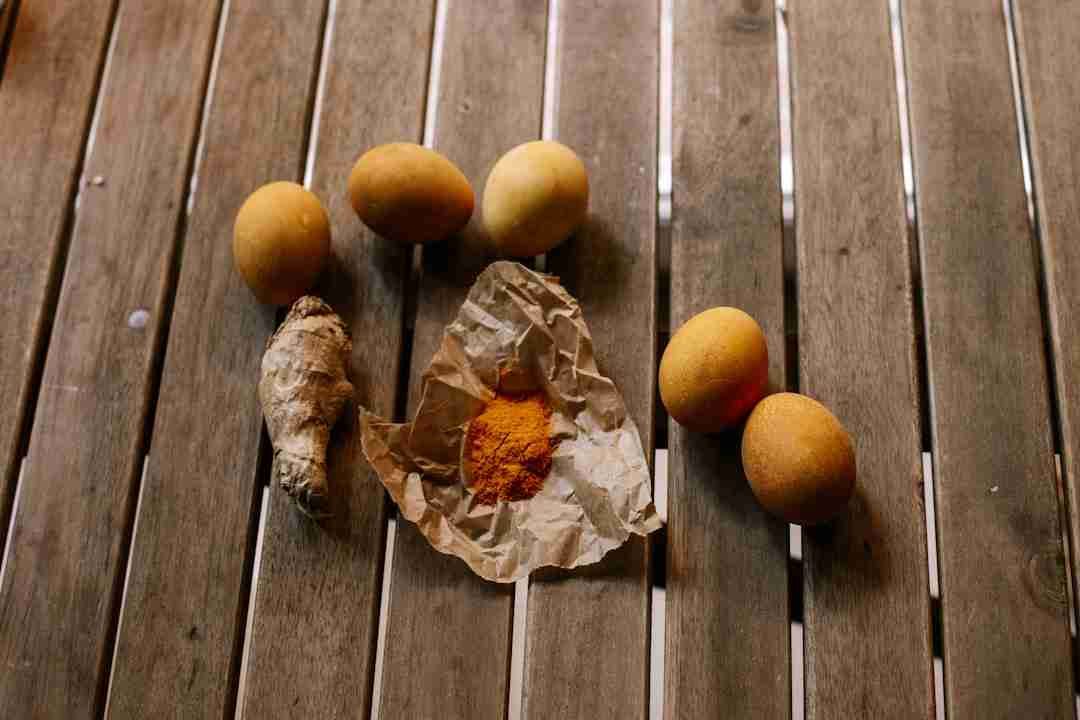
Migraines can be debilitating. Those who suffer from these intense headaches often find themselves desperate for relief. After trying numerous medications and remedies, many eventually turn to alternative solutions. One such remedy that has gained attention is ginger. Known for its anti-inflammatory properties and culinary versatility, ginger might just be the natural solution for migraine sufferers. So, what makes ginger an effective ally against migraines, and how can you incorporate it into your routine?
The Science Behind Ginger's Migraine-Fighting Properties
Ginger's reputation as a natural remedy isn't just based on folklore. Research shows that this powerful root contains compounds like gingerols and shogaols, which have anti-inflammatory and pain-relieving effects. These compounds work by inhibiting the synthesis of prostaglandins, which are chemicals in the body that promote inflammation and pain. A study published in the "Phytotherapy Research" journal found that ginger can reduce the severity and duration of migraines, making it a promising alternative for those looking to manage their symptoms naturally.
But here's the thing: while ginger is effective for some, it might not be the best solution for everyone. The effectiveness of ginger can depend on the individual's body chemistry and the severity of their migraines. It's always wise to consult with a healthcare professional before making any significant changes to your migraine management plan.
Moreover, the bioactive compounds in ginger have antioxidant properties, which help combat oxidative stress—a factor often linked to the onset of migraines. Regular consumption of ginger may contribute to the overall reduction of oxidative stress in the body, potentially reducing migraine occurrences over time.
Incorporating Ginger into Your Daily Routine
Incorporating ginger into your diet doesn't have to be complicated. Many find that ginger tea is a simple and soothing way to start. Boil water, add a few slices of fresh ginger, and let it steep for 10 minutes. Not only does this create a warm, comforting drink, but it also makes the beneficial compounds in ginger more bioavailable.
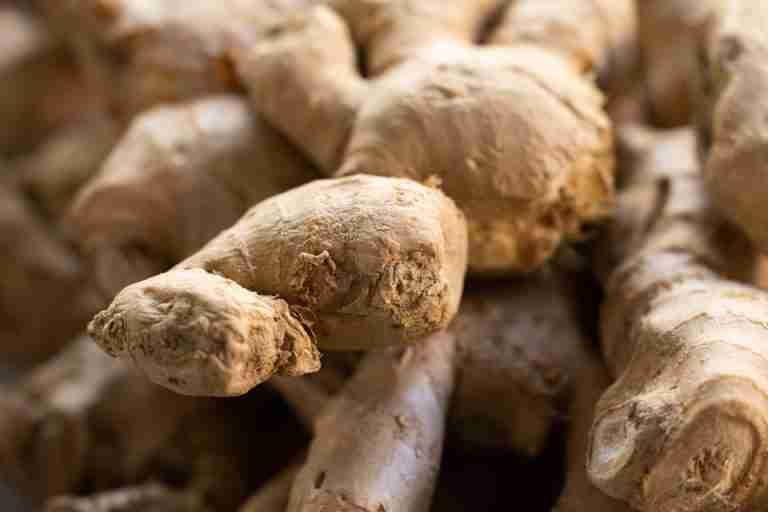
For those who prefer a more potent form, ginger supplements are available in capsule form. These supplements can be found at health food stores or online. It's important to follow the recommended dosage on the packaging or consult with a healthcare provider to determine the right amount for you.
Another option is adding ginger to your meals. Fresh ginger can be grated and added to stir-fries, soups, and even smoothies. Its distinctive flavor enhances dishes while providing your body with its health benefits. For instance, a ginger-infused carrot soup or a tropical smoothie with ginger can not only taste delightful but also boost your daily intake of this beneficial root.
For those who enjoy baking, ginger can be used in sweet treats such as ginger cookies or cakes. This not only diversifies your culinary repertoire but also ensures you're integrating ginger into your diet in enjoyable ways. Keep prepped ginger in small containers to easily incorporate into recipes without the hassle of peeling and chopping each time.
Comparing Ginger to Traditional Migraine Medications
Traditional migraine medications, such as triptans and NSAIDs, are commonly prescribed to alleviate symptoms. These medications, while effective, can have side effects such as nausea, dizziness, and even rebound headaches with frequent use. This is where ginger shines as a natural alternative.
A study in the "Journal of Phytochemistry" found that ginger, when compared to sumatriptan (a common triptan), was equally effective in reducing migraine symptoms without the side effects. However, ginger might not act as quickly as prescription medications, which can be a drawback for those seeking immediate relief.
Here's a practical takeaway: if you're considering transitioning from medication to ginger, consider starting with a combination approach. Use ginger as a preventive measure and reserve medication for acute attacks. This can potentially reduce your reliance on pharmaceuticals over time.
In addition, practicing relaxation techniques such as deep breathing or meditation alongside ginger consumption can enhance its effects. By lowering stress levels, you might notice an improved response to ginger's beneficial properties.
Potential Side Effects and Precautions
While ginger is generally safe, it's not without potential side effects. Some individuals might experience heartburn, diarrhea, or stomach discomfort, especially when consumed in large quantities. Pregnant women, in particular, should consult their doctor before using ginger as a remedy, as high doses could pose risks.

For those on blood-thinning medications, ginger can enhance the effects and increase the risk of bleeding. It's crucial to discuss with a healthcare provider if you're considering ginger as a regular part of your migraine management.
It's also worth noting that while ginger is less likely to interact with other medications compared to synthetic drugs, it is still important to review any potential interactions with your healthcare provider. This ensures that integrating ginger into your regimen does not inadvertently affect any other treatments you may be undergoing.
Success Stories: Ginger's Impact on Migraine Sufferers
Many migraine sufferers have turned to ginger and found relief. Take Sarah, for example. After years of suffering from chronic migraines and trying various medications with limited success, she decided to give ginger a try. By incorporating ginger tea into her daily routine and taking a ginger supplement during migraine episodes, she noticed a significant decrease in both the frequency and intensity of her migraines.
Another success story is that of Mike, who struggled with medication side effects. After switching to ginger, he found that not only were his migraines less frequent, but he also avoided the nausea and dizziness he experienced with traditional medications.
These stories highlight the potential of ginger as a natural remedy. However, they also emphasize the importance of finding a personalized approach that works for you. Consider documenting your experiences with ginger in a journal, noting any changes in the frequency or severity of your migraines, to help tailor a plan that suits your needs.
Practical Tips for Buying and Storing Ginger
When buying fresh ginger, look for roots that are firm, smooth, and free of mold. Fresh ginger can be stored in the refrigerator for up to three weeks. For longer storage, consider freezing ginger. Simply peel, chop, and store it in an airtight container in the freezer.
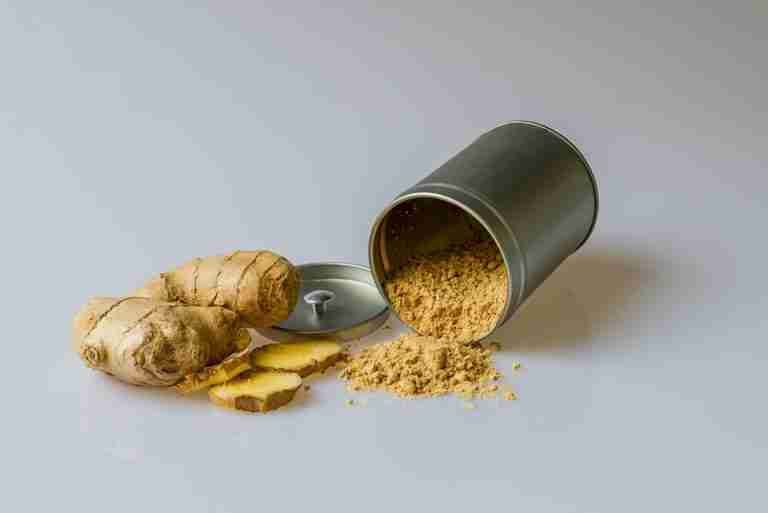
If opting for ginger supplements, choose a reputable brand. Look for products that have been third-party tested to ensure you're getting a quality supplement. The ConsumerLab website is a helpful resource for checking supplement quality.
Additionally, if you find peeling ginger to be cumbersome, consider using the edge of a spoon. This technique can help peel the ginger more efficiently without removing too much of the flesh. Investing in a ginger grater or microplane can also make quick work of incorporating ginger into your meals, ensuring it's always ready when you need it.
Taking Action: Start Your Ginger Journey Today
The reality is, managing migraines is a highly individual process. While ginger may not be a miracle cure for everyone, it's a natural option worth exploring. Start by introducing ginger tea into your daily routine. Keep track of your migraine frequency and intensity to see if there's an improvement. Consider discussing with your healthcare provider about the possibility of incorporating ginger supplements.
For those seeking a natural alternative to medication, ginger offers a promising option that's backed by research and personal testimonials. With its anti-inflammatory properties and minimal side effects, it might be just what you need to find relief. Take action today by trying ginger and monitoring how it affects your migraines. You might just discover a new ally in your battle against these debilitating headaches.