Harnessing the Power of Lemon Balm for a Calmer Day
In the hustle and bustle of everyday life, finding calm can feel like searching for a needle in a haystack. Imagine, just for a moment, that a simple herb could help you achieve a more serene state. Enter lemon balm, a f
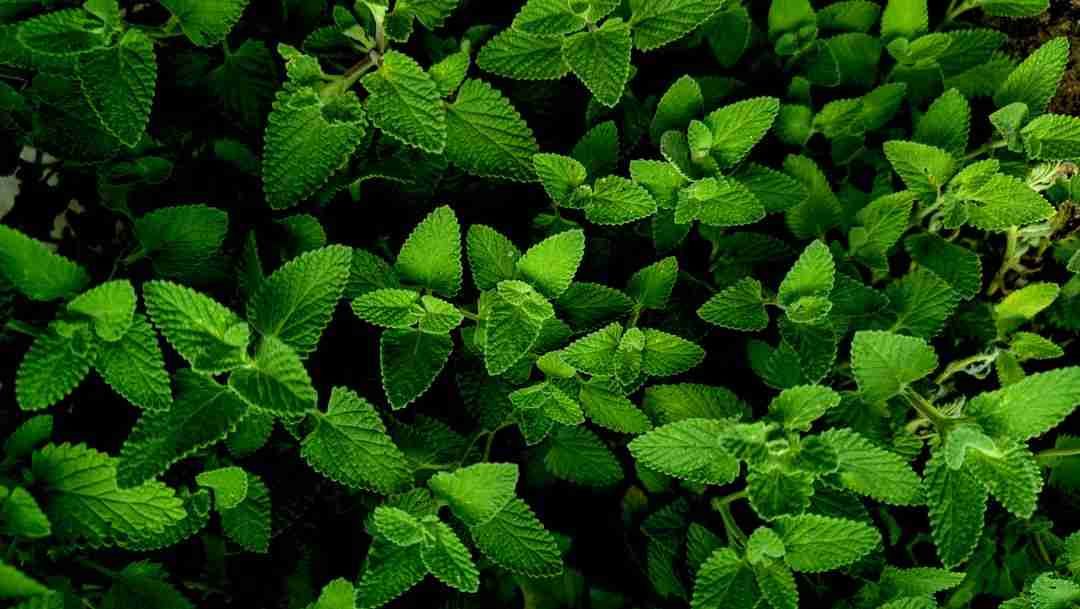
In the hustle and bustle of everyday life, finding calm can feel like searching for a needle in a haystack. Imagine, just for a moment, that a simple herb could help you achieve a more serene state. Enter lemon balm, a fragrant herb that has been soothing minds for centuries. With its gentle properties, lemon balm could be the ally you're looking for to cultivate a calmer day.
Lemon Balm: A Historical Soother
Lemon balm, known scientifically as Melissa officinalis, has a rich history dating back to the Middle Ages. It was traditionally used to reduce stress and anxiety, promote sleep, and improve digestion. Monks in medieval Europe even used it to brew calming teas. Today, while the world has changed dramatically, lemon balm's soothing effects remain just as relevant. Its use is backed by modern research, which suggests that compounds in lemon balm can help regulate mood and enhance cognitive function.
Throughout history, lemon balm was often mixed with wine as a medicinal concoction to uplift spirits and alleviate melancholic moods. Ancient physicians like Paracelsus, a Swiss physician and alchemist, hailed it as the "elixir of life," believing it could rejuvenate the mind and prolong youth. This historical context underlines the herb's long-standing reputation as a natural remedy for stress.
The Science Behind Lemon Balm's Calming Effects
Understanding how lemon balm works begins with its active compounds. The herb contains rosmarinic acid, a compound known for its antioxidant properties. Studies suggest that rosmarinic acid can inhibit the breakdown of gamma-aminobutyric acid (GABA) in the brain. GABA is a neurotransmitter that helps calm nervous activity, and its increased presence can lead to a more relaxed state.
For instance, a study published in the journal Phytotherapy Research found that participants who consumed lemon balm reported a significant reduction in anxiety and improved cognitive performance. This isn't just about feeling calmer; it’s about functioning better too. The evidence suggests that even small doses can be effective, making it a practical option for daily use.
Another study in the Journal of Ethnopharmacology indicated that lemon balm could potentially improve mood and cognitive function in a dose-dependent manner, meaning that the effects increase with higher doses within safe limits. This research reinforces the idea that lemon balm could be a valuable addition to a holistic approach to managing stress.
How to Use Lemon Balm in Your Daily Routine
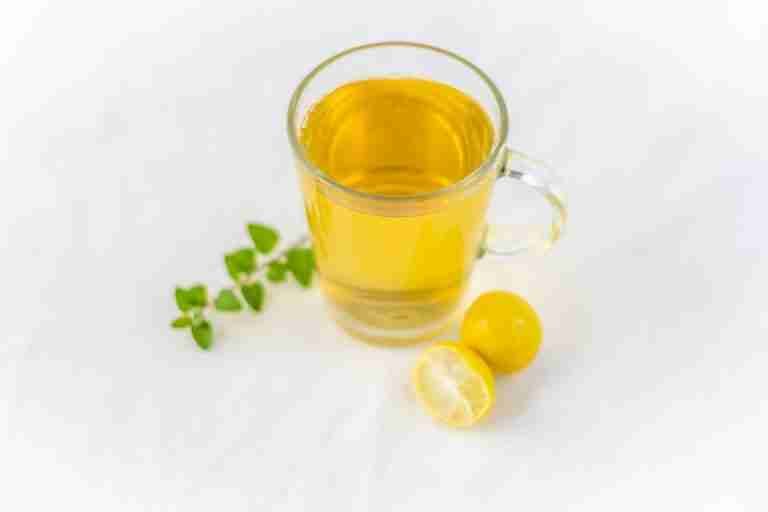
Incorporating lemon balm into your daily life doesn't have to be complicated. One of the simplest methods is through tea. Brewing a cup of lemon balm tea can be a comforting ritual, especially in the evening. To make it, steep one tablespoon of dried lemon balm leaves in hot water for about 10 minutes. You might find that sipping this tea before bed helps ease your mind and improve sleep quality.
But tea isn't the only way to enjoy lemon balm. It's also available in supplement form, such as capsules or tinctures. These can be conveniently taken with meals. When opting for supplements, ensure they are sourced from reputable brands to guarantee quality and potency. Some popular brands include Nature's Way and Solaray, both known for their rigorous testing and high standards.
For those who prefer a more hands-on approach, making a homemade lemon balm tincture can be a rewarding project. All you need is fresh lemon balm leaves, a clean glass jar, and a neutral spirit like vodka. Fill the jar with leaves, cover them with the spirit, and let the mixture steep in a cool, dark place for several weeks. This tincture can then be used in small doses as a natural anxiety remedy.
Growing Your Own Lemon Balm
For those who enjoy gardening, growing lemon balm can be both rewarding and practical. Lemon balm is a hardy perennial that thrives in a range of environments. It prefers well-drained soil and a sunny spot but can tolerate partial shade. Planting it in a pot can keep its growth in check, as it tends to spread vigorously.
Here's a step-by-step guide to growing lemon balm:
- Select Your Spot: Choose a location with at least five hours of sunlight daily.
- Prepare the Soil: Ensure the soil is well-draining. If planting in a pot, use a mix of potting soil and sand.
- Plant the Seeds or Seedlings: Sow seeds directly into the soil in spring or plant seedlings after the last frost.
- Water Regularly: Keep the soil moist but not waterlogged.
- Harvest Thoughtfully: Once the plant is established, pick leaves regularly to encourage growth.
With a little care, you can enjoy fresh lemon balm leaves for tea, cooking, or simply as a fragrant addition to your garden. The act of tending to your lemon balm can be meditative, providing a dual benefit of relaxation through both the gardening process and the herb itself.
Combining Lemon Balm with Other Calming Practices
While lemon balm is effective on its own, pairing it with other calming practices can amplify its benefits. Many find that integrating mindfulness techniques, such as meditation or deep breathing exercises, provides a synergistic effect that enhances relaxation.
Consider setting aside a few minutes each day for meditation. You can easily do this while enjoying a cup of lemon balm tea. Focus on your breath, let go of the day’s stresses, and allow the herb’s calming properties to work their magic.
Another option is to use lemon balm essential oil for aromatherapy. Adding a few drops to a diffuser can create a soothing environment. This practice can be particularly beneficial in the evening, helping to signal to your body that it’s time to wind down.
Consider complementing lemon balm with other herbal allies. Herbs such as chamomile and lavender can be combined with lemon balm in teas or essential oil blends, creating a powerful calming synergy. Chamomile, known for its mild sedative properties, and lavender, with its soothing aroma, work in harmony with lemon balm to deepen relaxation.
Understanding Dosages and Potential Side Effects
While lemon balm is generally safe, understanding the appropriate dosage is key to maximizing its benefits. For teas, experts recommend no more than three cups per day, while capsules or tinctures should be taken according to the manufacturer's instructions or a healthcare provider's guidance.
It's important to note that lemon balm can interact with certain medications, particularly those affecting the central nervous system. As always, consulting with a healthcare professional before beginning any new supplement regimen is a wise step.
Some individuals might experience mild side effects, such as dizziness or gastrointestinal discomfort. If these occur, it might be wise to adjust the dosage or try another form of the herb. Monitoring your body's reaction when first introducing lemon balm is crucial to ensuring it complements your health positively.
Lemon Balm in the Kitchen: Creative Uses
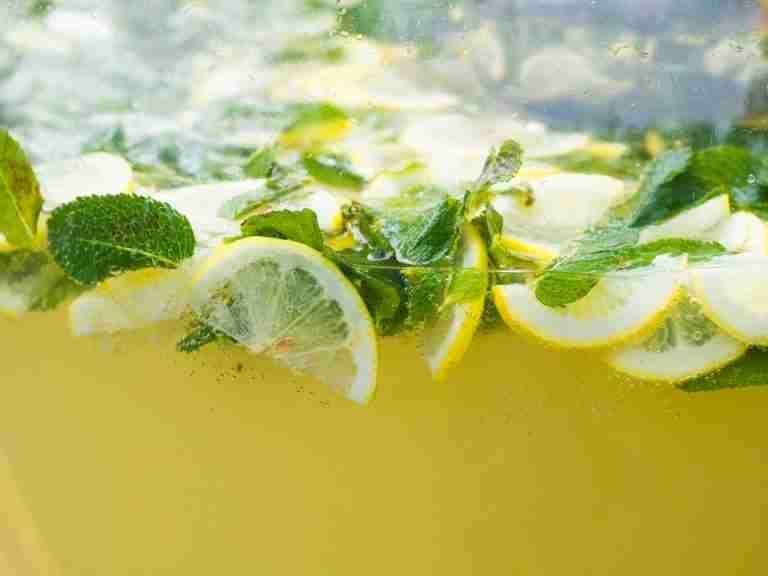
Beyond teas and supplements, lemon balm can be a delightful addition to your culinary repertoire. Its citrusy aroma pairs well with a variety of dishes, from salads to desserts. Try chopping fresh leaves and adding them to a fruit salad for a refreshing twist. Or, infuse your water with lemon balm and cucumber for a hydrating, calming drink.
For those who enjoy baking, lemon balm can be used in place of lemon zest in recipes, adding a subtle herbaceous note. This versatility makes lemon balm a valuable herb in any kitchen.
For a savory option, consider incorporating lemon balm into marinades for chicken or fish. Its lemony notes can enhance the flavors of these dishes, providing a unique twist. Additionally, you can make a lemon balm pesto by blending the leaves with garlic, nuts, olive oil, and cheese, creating a delicious topping for pasta or grilled vegetables.
A Calmer Day Starts Today
So, what can you do today to harness the power of lemon balm for a calmer day? Start small. Brew a cup of lemon balm tea, pay attention to your senses as you sip, and notice how your body responds. Consider growing your own plant or trying a new recipe. Little by little, these small actions can add up to a significant shift in how you experience each day.
Remember, finding calm is a journey, not a destination. With lemon balm at your side, you're equipped with a natural, accessible tool to help navigate the stresses of life. Give it a try and see how this humble herb can make a difference.