Rewiring Stress Responses: A Weekend Challenge with Mindful Movement
Transforming Stress with Mindful Movement: A Weekend Challenge Stress is a formidable opponent in today's fast-paced world. It's a universal challenge, affecting individuals across different walks of life. But here's som
Transforming Stress with Mindful Movement: A Weekend Challenge
Stress is a formidable opponent in today's fast-paced world. It's a universal challenge, affecting individuals across different walks of life. But here's something to consider: what if there was a way to transform stress responses in just one weekend? Mindful movement offers a practical approach to do just that, providing an opportunity to rewire the body's stress reactions and foster a more balanced state of being.
Embracing Mindful Movement: The 48-Hour Challenge
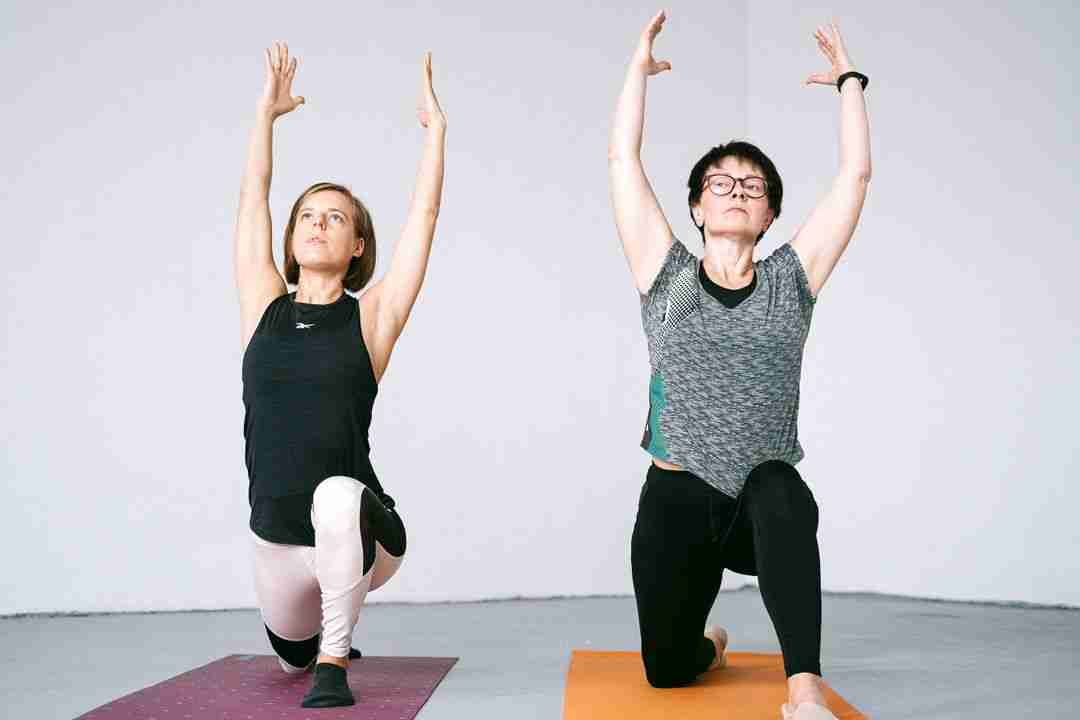
Mindful movement isn't just yoga or tai chi, though those are popular examples. It encompasses any physical activity performed with awareness and intention. Think of it as moving meditation. Over a weekend, engaging in mindful movement can begin to shift how the body handles stress. Research suggests that just 48 hours of focused practice can start to retrain the nervous system, promoting relaxation and resilience.
To undertake this weekend challenge, set aside dedicated time for mindful movement sessions. Aim for three sessions, each lasting about 30 to 45 minutes. Activities could include walking, dancing, or even gentle stretching, but the key is to maintain a heightened awareness of each movement and breath. Pay attention to how the body feels, the sensation of muscles contracting and relaxing, and the rhythm of breathing. This focus helps divert the mind from stressors and into a state of calm presence.
Choosing the Right Activity
The choice of activity is crucial for optimizing the benefits of mindful movement. While traditional practices like yoga and tai chi are beneficial, consider exploring a variety of activities to find what resonates best. For instance, mindful walking in a natural setting can enhance the connection to the environment, allowing you to engage your senses fully. Alternatively, mindful dance can be an expressive way to release pent-up tension and foster joy. Experimenting with different activities can also keep the practice engaging and prevent monotony.
The Science of Stress and Mindful Movement
The body's stress response is a survival mechanism, designed to protect against immediate threats. However, in modern life, this response is often over-activated by non-life-threatening stressors, leading to chronic tension and anxiety. Mindful movement offers a counterbalance by engaging the parasympathetic nervous system, which promotes relaxation and healing.
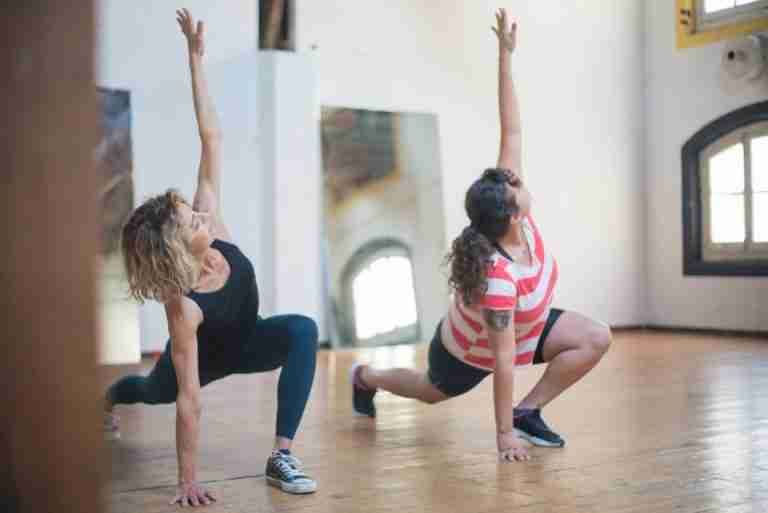
Studies indicate that mindful movement can lower cortisol levels—the hormone associated with stress—and increase endorphin production, which enhances mood. For instance, a study published in the Journal of Clinical Psychology found that participants who engaged in mindful movement reported significant reductions in stress and anxiety levels after just a single session. These physiological changes underscore the potential of mindful movement to rewire stress responses.
Understanding the Mind-Body Connection
The mind-body connection is a central theme in understanding how mindful movement influences stress. When you engage in mindful activities, neural pathways that promote relaxation and emotional stability are strengthened. This connection is bidirectional; improving physical well-being can enhance mental health and vice versa. By acknowledging this relationship, you can appreciate how each mindful movement session contributes to a harmonious balance between mind and body.
Practical Steps to Rewire Stress with Mindful Movement
Implementing mindful movement into a weekend routine doesn't require special equipment or prior experience. Here's a step-by-step guide to get started:
-
Set Intentions: Begin by identifying personal stressors and setting an intention to address them through mindful movement. This could be as simple as wanting to feel more relaxed or seeking mental clarity.
-
Choose Activities: Select activities that align with personal interests and physical capabilities. Walking in nature, practicing tai chi, or even mindful gardening can be effective. The goal is to maintain awareness throughout the activity.
-
Create a Schedule: Plan three mindful movement sessions over the weekend. Morning, afternoon, and evening sessions can help maintain a consistent practice and maximize benefits.
-
Stay Present: During each session, focus attention on the present moment. Notice the sensations in the body, the sounds of the environment, and the flow of breath. If the mind wanders, gently bring it back to the present.
-
Reflect on Changes: After each session, take a few minutes to reflect on any changes in mood, physical sensations, or stress levels. Keeping a journal can help track progress and reinforce positive outcomes.
Enhancing Your Practice with Mindfulness Techniques
Incorporating mindfulness techniques such as body scans or progressive muscle relaxation can deepen your experience. A body scan involves mentally scanning different parts of the body to notice any sensations, tension, or areas of relaxation. Progressive muscle relaxation involves systematically tensing and relaxing muscle groups, which can heighten body awareness and reduce stress. Integrating these techniques can enhance the effectiveness of your mindful movement sessions.
The Role of Breath in Mindful Movement
Breathing is an integral part of mindful movement, serving as an anchor for awareness. Conscious breathing techniques can amplify the stress-reducing effects of physical activity. Techniques such as diaphragmatic breathing or the 4-7-8 method can be incorporated into movement practices.
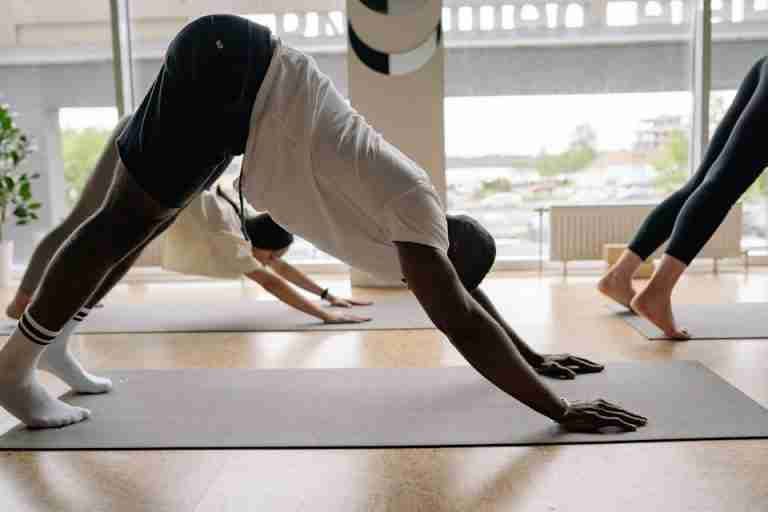
Diaphragmatic breathing involves deep breathing into the diaphragm, expanding the belly rather than the chest. This technique encourages full oxygen exchange, which can slow the heartbeat and stabilize blood pressure. The 4-7-8 method involves inhaling for four counts, holding the breath for seven counts, and exhaling for eight counts. This pattern can help regulate the body's stress response and induce a state of calm.
Exploring Different Breathing Techniques
Beyond diaphragmatic breathing and the 4-7-8 method, other techniques like alternate nostril breathing or box breathing can be explored. Alternate nostril breathing involves inhaling through one nostril while holding the other closed, then exhaling through the opposite nostril. This practice is believed to balance the hemispheres of the brain and improve focus. Box breathing, used by Navy SEALs and athletes, involves inhaling, holding, exhaling, and pausing for equal counts, promoting mental clarity and stress control.
Apps and Resources for Guided Mindful Movement
For those new to mindful movement, guided sessions can provide structure and support. Several apps and online resources offer guided practices that cater to different interests and levels of experience. Consider exploring the following:
- Headspace: Known for its meditation resources, Headspace also offers guided mindful movement sessions that integrate breathwork and physical activity.
- Calm: This app includes a variety of mindfulness exercises, including mindful walking and stretching routines designed to reduce stress.
- Yoga with Adriene: Adriene's free YouTube channel offers a wide range of yoga practices, many of which focus on mindfulness and stress reduction.
These tools can help guide the practice of mindful movement, making it accessible and enjoyable.
Leveraging Technology for Accountability
In addition to apps that guide practice, using technology for accountability can enhance commitment to mindful movement. Wearable fitness trackers can monitor physical activity levels, and some even have mindfulness reminders to prompt breaks for breathing or movement. Sharing progress with a community through online forums or social media groups can also provide encouragement and support, fostering a sense of shared journey toward stress resilience.
A Personal Sanctuary: Creating a Space for Practice
The environment plays a crucial role in the effectiveness of mindful movement. Creating a personal sanctuary can enhance the experience, allowing for deeper relaxation and focus. Consider the following tips for setting up a practice space:
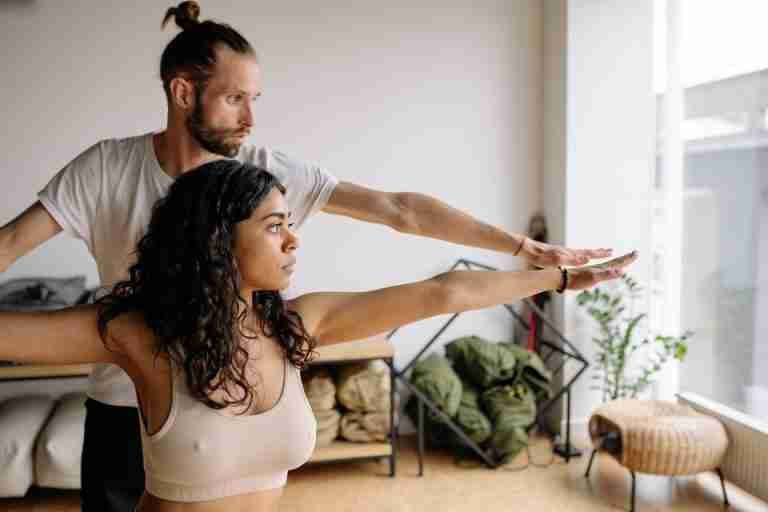
- Choose a Quiet Location: Select a space that is free from distractions and noise. This could be a corner of a room, a backyard patio, or a nearby park.
- Set the Mood: Ambient lighting, soothing scents, and calming music can create an inviting atmosphere. Essential oils like lavender or chamomile can promote relaxation.
- Use Props: Mats, cushions, or blankets can provide comfort and support during practice. These props can also serve as visual cues to remind one of the intention to practice mindfulness.
By cultivating a dedicated space, it's easier to transition into the mindset needed for mindful movement.
Insights on Long-Term Benefits and Sustainability
While a weekend challenge can initiate changes in stress responses, the long-term benefits of mindful movement are even more compelling. Regular practice can lead to sustained improvements in mental and physical health. Studies have shown that consistent engagement in mindful movement can enhance emotional resilience, improve sleep quality, and reduce symptoms of depression and anxiety.
To sustain these benefits, it's important to integrate mindful movement into daily routines. Short, daily sessions can be more effective than sporadic, lengthy ones. Even five minutes of mindful breathing or stretching each day can reinforce the neural pathways associated with relaxation.
Creating a Mindful Movement Routine
Developing a routine for mindful movement that fits daily life is key to sustainability. Consider starting each day with a brief session of stretching and deep breathing to set a positive tone. Midday breaks for mindful walking or breathing can refresh focus and energy. Evening practices, such as gentle yoga or progressive relaxation, can aid in unwinding and preparing for restful sleep. Tailoring these routines to personal schedules and preferences can ensure that mindful movement becomes a natural part of daily life.
Take the First Step Today
Rewiring stress responses through mindful movement is an empowering journey. By dedicating just one weekend to this practice, individuals can experience a profound shift in how they handle stress. And the best part? This approach is adaptable, accessible, and requires no special skills or equipment.
Take the first step today. Set aside time this weekend to explore mindful movement, and witness the transformation that a simple yet intentional practice can bring to one's life. The path to a more balanced and stress-resilient existence is just a mindful movement away.