Harnessing the Rhythm: Dancing Your Way to Mental Clarity
Imagine stepping into a room filled with music that seems to seep into your very bones, urging your feet to move and your arms to swing. For some, this might be a typical Friday night at a dance class, but what if it cou
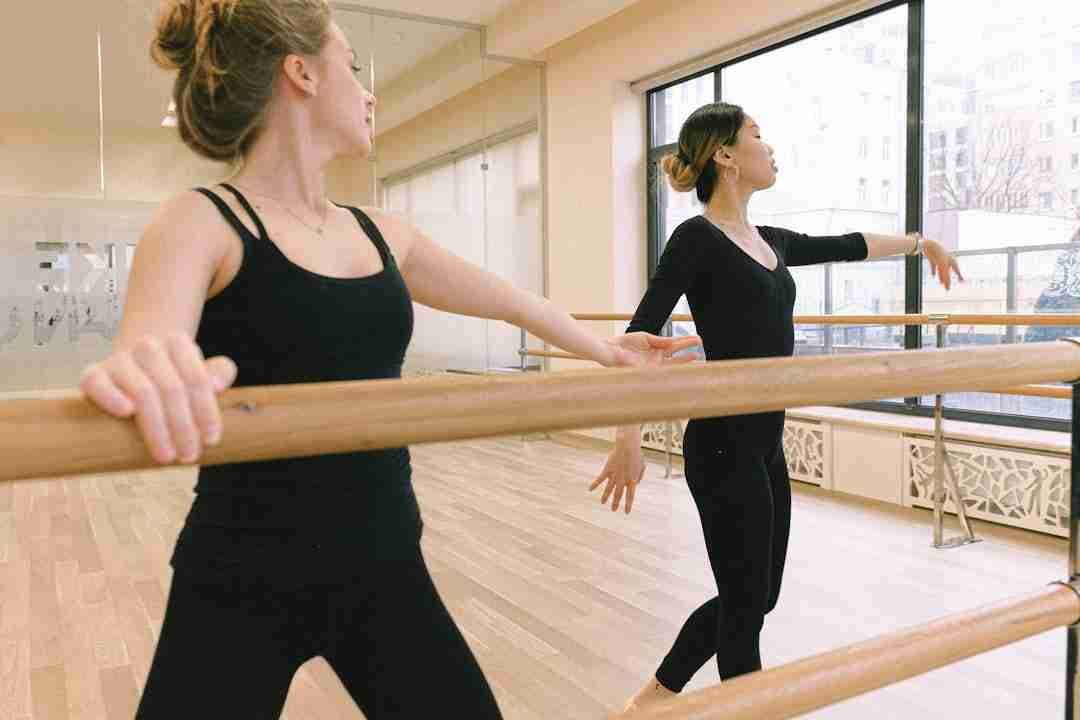
Imagine stepping into a room filled with music that seems to seep into your very bones, urging your feet to move and your arms to swing. For some, this might be a typical Friday night at a dance class, but what if it could also be the key to unlocking mental clarity? Dance is more than just an enjoyable pastime; it's a powerful tool for fostering a connection between the mind and body. This isn't a new-age fad. It's a practice supported by science and embraced by many seeking mental wellness. Understanding how dance influences your mind might just change how you approach both exercise and mental health.
The Science Behind Movement and Mental Clarity
Research shows that dance can significantly impact mental clarity and emotional well-being. Engaging in rhythmic movement stimulates the release of endorphins, the body's natural mood elevators. A study published in the American Journal of Dance Therapy found that participants who engaged in regular dance sessions reported lower levels of stress and anxiety. This isn't merely about endorphins—it's also about the way dance requires you to be present. The focus needed to master choreography can pull attention away from stressors, offering a form of mindfulness that can quiet a busy mind.
The mind-body connection forged through dance isn't just a feel-good phenomenon. It's rooted in the brain's neuroplasticity—the ability to form and reorganize synaptic connections. When you dance, you're not only learning new physical skills but also enhancing cognitive functions such as memory and spatial awareness. Experts suggest that this dual engagement of mind and body can lead to a state of flow, where you're fully immersed in the moment and everything else fades away. This state of flow is particularly beneficial for mental clarity, as it helps clear mental clutter and enhances focus.
Dance Styles That Enhance Mental Focus
Not all dance styles are created equal when it comes to fostering mental clarity. Some require more cognitive engagement than others, which can amplify their benefits. Consider ballroom dancing, for example. It involves memorizing steps, maintaining cadence, and often coordinating with a partner. This complex interaction sharpens both cognitive and social skills. Similarly, contemporary dance encourages creativity and expression, allowing participants to explore their emotions and thoughts in a physical form.
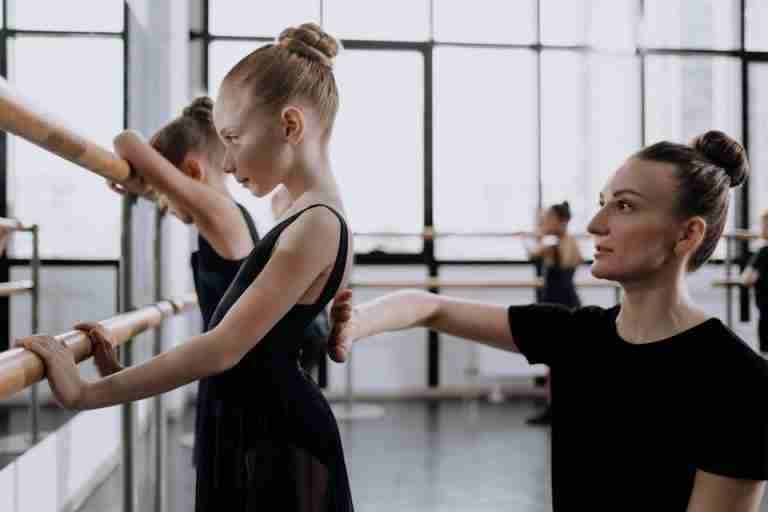
Zumba, a fitness program that combines Latin and international music with dance moves, is another excellent option. It's not only a cardiovascular workout but also a mental challenge due to the rapid changes in movement and rhythm. Classes are designed to keep you on your toes—literally and figuratively—encouraging mental agility as you adapt to different styles and tempos. Engaging in such dynamic activities can enhance your problem-solving skills and improve your ability to adapt to new situations.
For those interested in a more meditative approach, Tai Chi might be the perfect blend of dance and mindfulness. Though not commonly perceived as a dance form, its slow, deliberate movements require intense concentration and can significantly enhance mental clarity and emotional calmness.
How to Start Dancing for Mental Clarity
You don't need to be a professional dancer to reap the mental benefits of dance. Starting is often the hardest part, but it can be as simple as finding a local class or even dancing in your living room. Here are some steps to get you moving:
-
Choose a Style: Start with a dance style that intrigues you. Whether it's salsa, hip-hop, or ballet, the key is to find something that excites you. Each style offers unique benefits, so consider your personal preferences and what you hope to achieve mentally.
-
Find a Class: Look for classes in your area or online. Platforms like YouTube and DancePlug offer free tutorials for beginners. Online classes can be especially beneficial if you prefer learning at your own pace.
-
Set a Schedule: Consistency is crucial. Aim for at least two sessions per week to begin noticing the mental benefits. Gradually increase the frequency as you become more comfortable with the movements.
-
Engage with a Community: Joining a dance group or class can enhance the experience by adding a social component. Websites like Meetup are great for finding local dance groups. The sense of belonging and shared goals can further amplify the mental clarity benefits.
-
Commit to the Process: Give yourself time to learn and grow. Remember, the goal is mental clarity, not perfection. Celebrate small victories and progress along the way.
Real-Life Example: The Case of Dance and Depression
Consider this. A 2018 study published in the journal Depression and Anxiety explored the effects of dance on individuals with depression. Participants who attended dance classes twice a week for three months reported significant reductions in depressive symptoms compared to those who did not engage in dance. This goes beyond anecdotal evidence—it's a testament to the transformative power of dance.
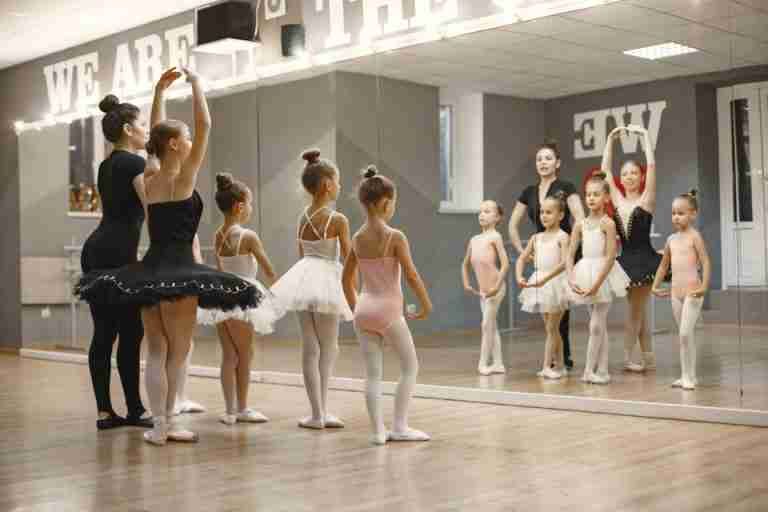
The study highlighted that the combination of physical activity, emotional expression, and social interaction in dance classes creates a unique therapeutic environment. This multifaceted approach addresses depression on several levels, offering a holistic method for improving mental health. The findings suggest that dance can serve as a complementary treatment for depression, working alongside traditional therapies to enhance overall well-being.
Practical Tips for Making Dance a Part of Your Routine
Incorporating dance into your routine doesn't have to be a chore. Here are practical ways to make it a seamless part of your life:
-
Use Technology: Apps like Just Dance Now offer interactive dance experiences right at home. These can be a fun way to get moving if you're not ready for a public class. The gamification aspect can make exercising feel less like work and more like play.
-
Dance While Doing Chores: Turn mundane tasks into a dance party. Put on your favorite playlist while cleaning or cooking and let loose. This not only makes chores more enjoyable but also integrates physical activity into your daily routine.
-
Set Small Goals: Aim to learn one new dance move a week. This keeps things fresh and gives you something to look forward to. Breaking down the process into manageable steps can prevent feeling overwhelmed and encourage continuous improvement.
-
Track Your Progress: Use a journal or an app like Fitbit to track your dance sessions and note any changes in mood or mental clarity. Reflecting on your progress can provide motivation and insight into how dance is benefiting your life.
Why Dance Might Be Your Best Stress Reliever
Stress is an inevitable part of life, but how you manage it can make all the difference. Dance offers a unique escape from everyday stressors. It provides a physical outlet for pent-up energy and emotions, and the rhythmic nature of dance can be incredibly soothing. Unlike traditional exercise routines, dance engages your emotions and creativity, making it a more holistic stress reliever.
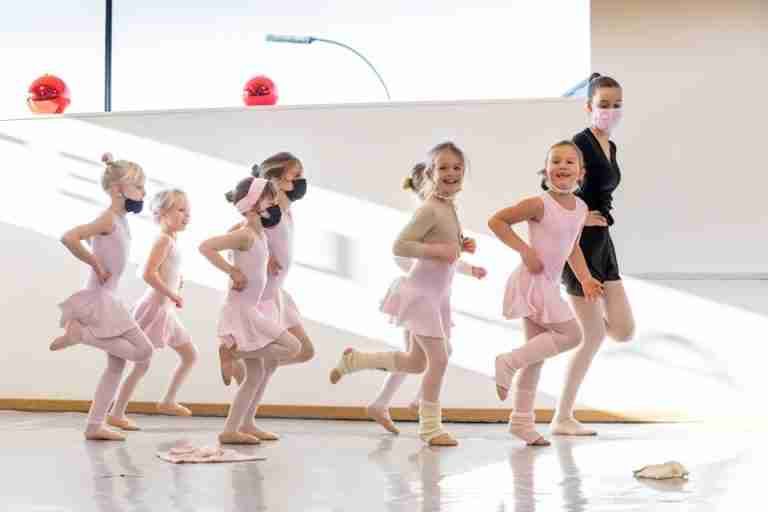
Experts note that the social aspect of dance also plays a critical role. Dancing with others fosters a sense of connection and belonging, which can combat feelings of isolation—a common stressor. Whether you're joining a class or dancing with friends at home, the communal experience can enhance the stress-relieving effects of dance. Sharing these experiences with others can also build lasting friendships, further contributing to your overall mental health.
A Final Step You Can Take Today
So, what can you do today to start reaping the benefits of dance for mental clarity? Take a moment to explore the dance styles mentioned earlier. Watch a few videos online, or even better, find a local class to join. Set a small, achievable goal like attending one class this week or learning a simple dance routine at home. The key is to start small and build from there.
Dance isn't just about movement; it's about creating a harmonious connection between your mind and body. This connection can lead to greater mental clarity, reduced stress, and an overall sense of well-being. So why not give it a try? After all, the first step might just be a dance step.