The Unexpected Way Hiking Can Transform Your Meditation Practice
Meditation, often seen as a static practice, might just take on a new dimension when paired with hiking. Picture this: the rhythmic crunch of leaves underfoot, the gentle rustle of the wind through the trees, and the soo
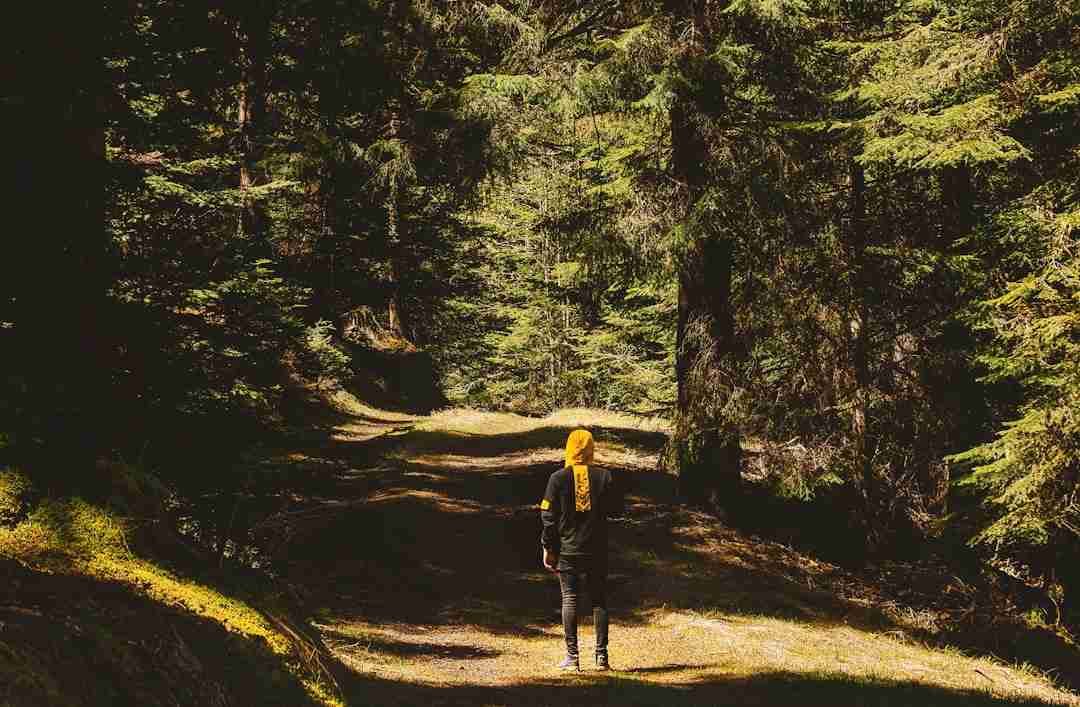
Meditation, often seen as a static practice, might just take on a new dimension when paired with hiking. Picture this: the rhythmic crunch of leaves underfoot, the gentle rustle of the wind through the trees, and the soothing symphony of nature enveloping you. For many, these elements can transform a traditional meditation session into a more profound experience. Instead of sitting still in a room, nature's embrace invites a deeper connection with the present moment. But how exactly does hiking alter and enhance meditation?
The Science Behind Nature's Call: 120 Minutes a Week
Research has shown that spending at least 120 minutes a week in nature is linked with better health and well-being. This isn't just a coincidence. Nature reduces stress, boosts mood, and enhances overall mental clarity. For those who meditate, incorporating hiking into their routine can amplify these benefits. When you hike, the brain releases endorphins, which are natural mood lifters. This chemical response lays a perfect foundation for a meditation practice. Imagine meditating with a mind that’s already been primed to relax and rejuvenate.
Moreover, the exposure to natural light during a hike can regulate your circadian rhythms, thereby improving sleep quality. Better sleep enhances cognitive functions, thus creating a more conducive mental state for meditation. Consider choosing trails that offer varied scenery, as the changing landscapes can stimulate your mind and prevent monotony.
Why Walking Meditation is More Attainable Than You Think
Walking meditation might sound complex, but it's surprisingly approachable. Unlike sitting meditation, where the aim is to focus inward while remaining still, walking meditation involves being mindful of each step and breath. When combined with hiking, this becomes a natural process. As you walk, pay attention to how your foot connects with the ground, the sound of your breath, and the ambient noises around you. This practice not only grounds you but also keeps your mind engaged, making it easier for beginners to grasp meditation without feeling overwhelmed.

Start with short, deliberate walks focusing on the sensations in your feet. Gradually increase the duration as you become more comfortable. For those new to meditation, consider using a mantra or a simple phrase to maintain focus. Repeating a phrase like "peace with each step" can anchor your thoughts, guiding your mind back to the practice whenever it starts to wander.
How Trails Turn into Teachers: Lessons from the Path
Every trail offers unique lessons. Some paths are smooth and straightforward, while others challenge with rocky terrains or steep inclines. Hiking forces you to adapt, teaching resilience and patience. These lessons translate seamlessly into meditation practices. For example, encountering a challenging part of a trail can serve as a metaphor for dealing with difficult thoughts during meditation. By learning to navigate these physical challenges, you train your mind to handle emotional and mental obstacles more effectively.
For instance, if a steep hill seems daunting, break it down step by step, focusing on small achievements rather than the entire task. This approach can be applied to meditation, where breaking down overwhelming thoughts into manageable parts can facilitate emotional processing. Trails also teach the importance of pacing, reminding you to listen to your body and mind, adjusting your speed and intensity as needed.
The Role of Breath in Uniting Hiking and Meditation
Breathing is a cornerstone of meditation, and hiking naturally encourages deep, rhythmic breathing. As you ascend a hill or quicken your pace, your breath deepens and becomes more deliberate. This mirrors the intentional breathing techniques used in meditation to achieve clarity and focus. By syncing your breath with your steps, not only do you enhance your endurance, but you also reinforce the mindfulness that meditation seeks to cultivate. For those looking to deepen their practice, some recommend the "4-7-8 breathing technique" while hiking, which can help regulate the nervous system and reduce stress.

Consider counting your breaths or matching them to your steps to maintain focus. This can be particularly helpful on longer hikes, where maintaining mindfulness can become challenging. As you practice, you may find that your breath becomes a natural metronome, setting a steady pace that guides both your physical and mental journey.
Technology as a Trail Companion: Apps to Enhance the Experience
In today's digital age, several tools can enhance the hiking and meditation experience. Apps like AllTrails offer detailed maps and trail reviews, ensuring you find the perfect path to match your mood and meditation goals. For guided meditations, Headspace provides sessions tailored to walking, making it easy to integrate mindfulness into your hike. Meanwhile, Calm offers nature soundtracks, which can complement your surroundings, heightening the overall experience.
When using technology, it's essential to maintain balance. While apps can be beneficial, ensure that they enhance rather than distract from your practice. Download content in advance to minimize screen time during your hike, allowing you to remain present and connected with nature.
Nature's Palette: The Healing Power of Green
The color green is often associated with tranquility and renewal, and being surrounded by this hue can have calming effects on the mind. During a hike, the lush greenery acts as a visual cue, reminding you to relax and breathe deeply. This natural setting can enhance the meditation experience, making it more immersive. Studies have shown that exposure to green spaces can lower heart rates and reduce blood pressure, creating a conducive environment for meditation.

Take a moment to appreciate the various shades of green you encounter, from the dark hues of dense forests to the vibrant tones of sunlit leaves. This practice of visual mindfulness can deepen your connection to the environment, reinforcing the calming effects of your surroundings.
Creating Your Perfect Hiking Meditation Routine
To truly harness the benefits of hiking meditation, consistency is key. Start by setting a regular schedule, perhaps dedicating one morning or evening each week to this practice. Choose trails that match your skill level and gradually challenge yourself with more difficult paths. Always start with a warm-up to prepare your body, and end with a cool-down stretch to prevent injury. Remember, the goal is to integrate mindfulness into every step, ensuring the journey is both a physical and mental exercise.
Incorporate rituals, such as a moment of silence or intention-setting before starting your hike. This can create a sense of purpose and prepare your mind for the journey ahead. As you progress, experiment with different trails and techniques, such as barefoot walking on safe paths to enhance sensory awareness.
Overcoming Common Obstacles on the Path
While the benefits are clear, combining hiking and meditation isn't always straightforward. Weather, distractions, and physical limitations can pose challenges. However, each obstacle can be reframed as part of the practice. Adverse weather conditions can teach resilience, while distractions offer opportunities to practice returning to the present moment. For those with physical limitations, even short walks in nature can provide significant benefits, proving that the quality of the experience is more important than the distance covered.
Prepare for weather changes by dressing in layers and carrying essentials like a raincoat or sunscreen. When distractions arise, acknowledge them without judgment and gently bring your focus back to your breath or steps. Remember, the goal is not to eliminate distractions but to cultivate the skill of returning to the present moment.
Practical Takeaways: Start Your Journey Today
The journey to integrating hiking and meditation begins with a single step. Start small, perhaps with a 15-minute walk, gradually increasing the duration as you become more comfortable. Invest in a good pair of hiking shoes to ensure comfort and stability. Consider joining local hiking groups or meditation meet-ups to connect with like-minded individuals. Lastly, always listen to your body and mind, adjusting your pace and practice as needed.
Embracing the unexpected combination of hiking and meditation can open doors to new insights and deeper connections with oneself. By stepping out into nature, not only do you embark on a physical journey, but also a transformative mental odyssey. Today, consider taking that first step on a local trail and see how nature's embrace can redefine your meditation practice.