Herbal Teas for Stress Relief: Sipping Your Way to Serenity
In a world where stress seems to be as common as checking your smartphone, finding a simple yet effective way to unwind is crucial. Imagine coming home after a long day, feeling overwhelmed and exhausted. The thought of
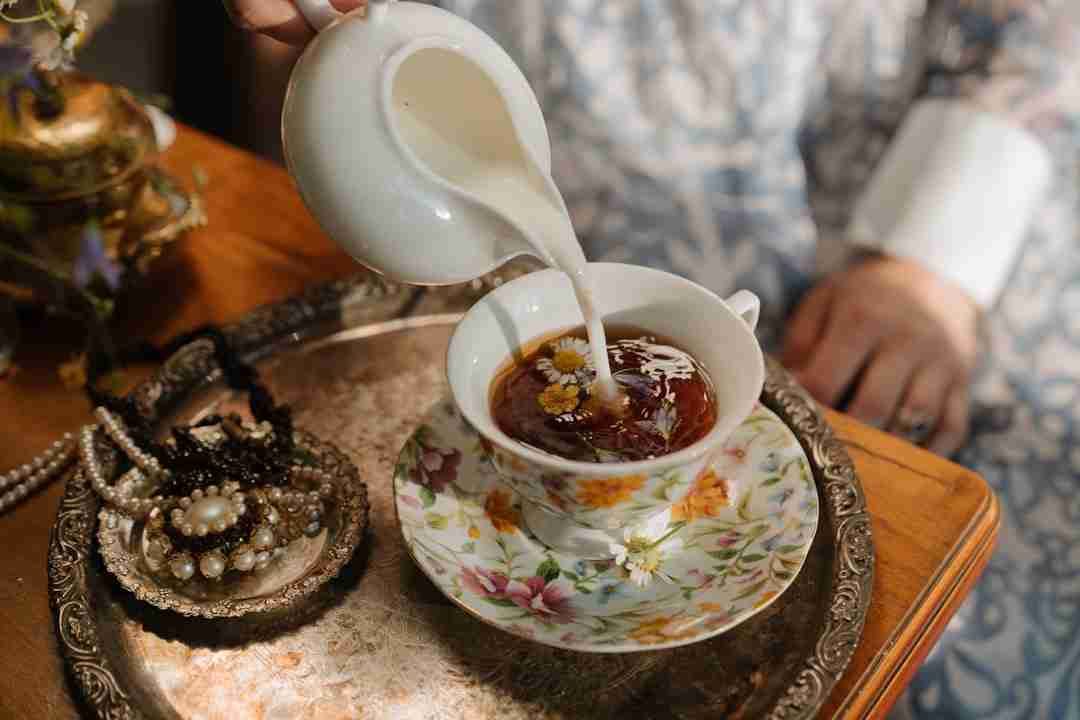
In a world where stress seems to be as common as checking your smartphone, finding a simple yet effective way to unwind is crucial. Imagine coming home after a long day, feeling overwhelmed and exhausted. The thought of brewing a cup of herbal tea to soothe frayed nerves suddenly seems not only inviting but essential. Herbal teas have been used for centuries across cultures as a natural remedy for stress relief. They offer a comforting ritual that can transform a chaotic evening into a moment of serenity. Here's how you can sip your way to tranquility with the right herbal blends.
Chamomile: Nature’s Sleep Aid for Restful Nights
Chamomile is often the go-to herbal tea for those looking to unwind before bed. Known for its mild sedative effects, chamomile contains an antioxidant called apigenin, which binds to certain receptors in your brain that may decrease anxiety and help initiate sleep. Many people find that a cup of chamomile tea about 30 minutes before bedtime can lead to a more restful night. It's a gentle way to say goodnight to the stress of the day.
Here's a practical tip: when brewing chamomile tea, let the tea bag steep in hot water for at least five minutes. This ensures the release of its calming properties. For an added touch, a teaspoon of honey or a slice of lemon can enhance its soothing effects. Chamomile tea is widely available, but if you're looking for a high-quality option, consider Traditional Medicinals Chamomile Tea.
To expand your chamomile experience, consider combining it with other soothing herbs like mint or lemon balm for a flavorful twist. A warm chamomile bath before sleep may also enhance relaxation.
Lavender: Aromatherapy in a Cup
Lavender isn't just for essential oils and scented sachets. This herb's stress-reducing properties extend to tea, offering a potent blend of relaxation and calm. Its soothing aroma alone can help ease anxiety, but when consumed as a tea, lavender can have a mild calming effect on the nervous system. This makes it an ideal choice for those stressful afternoons when you need a mental break.
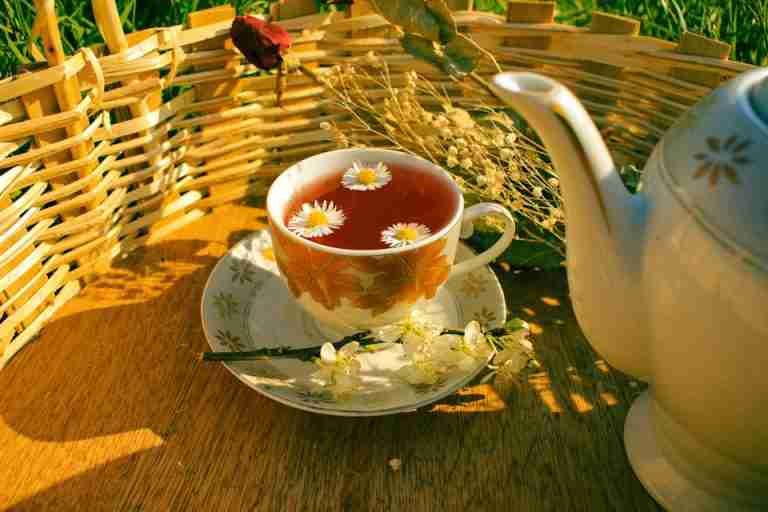
To prepare lavender tea, simply steep dried lavender buds in hot water for about ten minutes. The result is a fragrant brew that not only tastes delightful but also helps in reducing stress. For those seeking a blend, Davidson's Organic Teas offers a lovely lavender tea option.
You might also try adding lavender to your bath or using lavender-scented eye pillows for additional relaxation.
Ashwagandha: The Ancient Adaptogen for Modern Stress
Ashwagandha is an adaptogen, a natural substance considered to help the body adapt to stress. It's been used in Ayurvedic medicine for thousands of years to enhance resilience to physical and mental stress. Consuming ashwagandha tea regularly can support overall well-being and reduce cortisol levels, the hormone associated with stress.
Brewing ashwagandha tea involves simmering its root in water for 15 to 20 minutes. The earthy flavor might be new to some, but it's worth it for the stress-busting benefits. Adding a splash of almond milk or a bit of cinnamon can make the tea more palatable. A reputable source for ashwagandha is Gaia Herbs, which offers high-quality organic options.
For a more immersive experience, consider integrating ashwagandha into your cooking or smoothies to further explore its benefits.
Peppermint: Refreshing Relief from Mental Fatigue
Peppermint tea is not only refreshing but also excellent for relieving stress and mental fatigue. The menthol in peppermint provides a natural muscle relaxant effect, which can help ease tension headaches and promote relaxation. It's a perfect choice if you're feeling mentally drained and need a quick pick-me-up without caffeine.

For maximum flavor and benefits, steep peppermint leaves in boiling water for about seven minutes. The invigorating aroma and taste can provide a much-needed mental reset. Peppermint tea is widely available, with options like Twinings Pure Peppermint Tea being a popular choice.
To enhance the experience, try combining peppermint with chamomile for a soothing yet refreshing evening brew.
Valerian Root: Potent Relaxation for Anxiety
Valerian root is often touted for its ability to promote relaxation and improve sleep quality. It's particularly useful for those who experience anxiety that disrupts sleep patterns. The root works by increasing levels of a neurotransmitter called GABA, which has a calming effect on the nervous system.
Valerian root tea might have a strong taste, described by some as earthy or woody, but its benefits for anxiety and sleep can be significant. Brewing the root for 10 to 15 minutes will maximize its effects. A well-regarded source is Yogi Bedtime Tea, which combines valerian with other soothing herbs.
For those sensitive to taste, consider blending valerian with a milder herb like chamomile or lemon balm to soften its flavor.
Passionflower: Easing Stress with a Floral Touch
Passionflower is another powerful herb used to alleviate anxiety and stress. Its calming effects are attributed to its ability to boost GABA levels, similar to valerian root. Passionflower tea can help reduce symptoms of anxiety and improve sleep without causing drowsiness during the day.

To prepare passionflower tea, steep the dried herb in boiling water for about 10 minutes. Its mild, floral taste makes it a pleasant addition to your evening routine. For a quality option, check out Buddha Teas Passion Flower Tea.
You might also explore passionflower supplements or tinctures if tea preparation is not always convenient.
Lemon Balm: The Zesty Mood Booster
Lemon balm is a member of the mint family, known for its uplifting and calming properties. It's particularly effective at improving mood and cognitive function while reducing anxiety. Lemon balm tea can be a great choice during the day when you need a stress-relieving boost without feeling sleepy.
To enjoy lemon balm tea, steep the leaves in hot water for about five minutes. Its zesty flavor pairs well with a bit of honey. Lemon balm can be grown at home for fresh tea, or you can try Traditional Medicinals Lemon Balm Tea.
Consider using lemon balm as a garnish in salads or desserts to incorporate its benefits into your diet in a creative way.
Creating Your Personalized Herbal Tea Ritual
Integrating herbal tea into your daily routine doesn't have to be complicated. Start by identifying which blends suit your needs—whether it's calming chamomile for sleep, refreshing peppermint for mental clarity, or soothing lavender for anxiety relief. Consider keeping a small assortment in your pantry to address different stressors as they arise.
Begin your ritual by setting aside a few minutes each day for tea preparation. Use this time to step away from screens and focus on the simple act of brewing and sipping. This mindful practice can enhance the calming effects of the tea itself.
For a deeper sense of relaxation, create a dedicated space for your tea ritual, complete with a comfortable chair, soft lighting, and perhaps some gentle music or nature sounds.
And remember, while herbal teas can be a powerful tool for stress management, they're most effective when combined with other healthy lifestyle practices, such as regular exercise, balanced nutrition, and mindfulness techniques.
Taking Action: Your Stress-Relief Tea Plan
Start today by choosing one or two herbal teas from this list that resonate with your stress-relief needs. Purchase a sample or small box to experiment with the flavors and effects. Pay attention to how your body responds and adjust your selections as necessary.
Incorporating herbal teas into your routine can be a delightful and effective way to manage stress. With a little exploration, you can find the perfect blend to complement your lifestyle and bring a sense of serenity to your day.